
What to Do When Property Damage Occurs
Read Time:4 Minute, 20 Second
Property damage rarely announces itself with advance notice. One moment everything’s fine, and the next, you’re staring at a flooded basement, fire-scorched walls, or a roof opened to the sky. Whether it’s Mother Nature throwing a tantrum, your plumbing deciding to rebel, or some other unwelcome surprise, how you respond in those critical first hours make all the difference. Quick, informed action protects your investment, keeps everyone safe, and maximizes what you’ll recover from insurance, turning what could become a nightmare into something manageable.
Prioritize Safety and Security First
When you first discover damage to your property, forget about the stuff for a moment. Your immediate concern? Making sure everyone gets out safely if needed. Take a hard look before stepping inside, does the building look stable? Any smell of gas? Wires sparking? Walls or ceilings sagging in ways, shouldn’t they? If anything seems off, get out and call 911. Those hidden dangers, floors ready to give way, roofs about to collapse, water that’s become electrified, aren’t worth the risk, no matter what valuables might be inside.
Document Everything Thoroughly
Your insurance claims live or die by documentation, plain and simple. Grab your phone and start recording everything, wide shots of rooms, close-ups of damaged items, videos that pan across affected areas. Capture it all from multiple angles. Note when you discovered the damage and, if you know it, when it actually happened.
Contact Your Insurance Company Immediately
Don’t wait to call your insurance company, most policies actually require prompt notification, sometimes within specific timeframes. Reach out to your agent or the claims department as soon as you’re safely able. Give them the straight story: what happened, when it happened, what you’re seeing in terms of damage. Ask the important questions right away: What exactly does your policy cover for this type of incident? What about your belongings, temporary housing, those extra endorsements you added? What are you supposed to do about preventing more damage? Can you hire anyone you want, or does the company have preferred contractors? Your insurer will send an adjuster to inspect and estimate repair costs, so be ready to schedule that inspection quickly and be there when they come, you’ll want to point out every bit of damage yourself.
Take Immediate Steps to Prevent Further Damage
Your insurance policy isn’t just rights, it comes with responsibilities, too. One big one? Taking reasonable steps to stop additional damage once something’s already gone wrong. This could mean taping plastic sheeting over broken windows, setting buckets under leaks, shutting off the main water valve if pipes have burst, or killing power to affected areas. Move whatever you can to safer ground: family photos, important papers, furniture that hasn’t been damaged yet, anything valuable that’s still salvageable.
Engage Professional Restoration Services
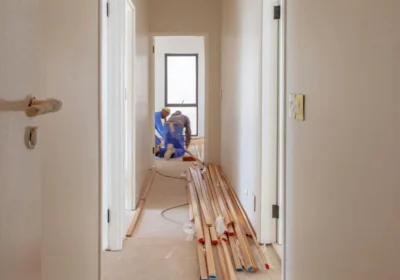
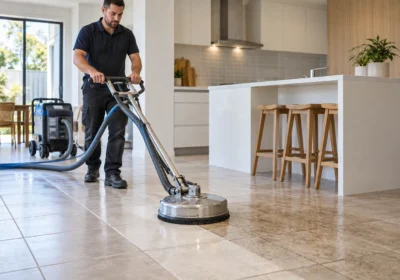
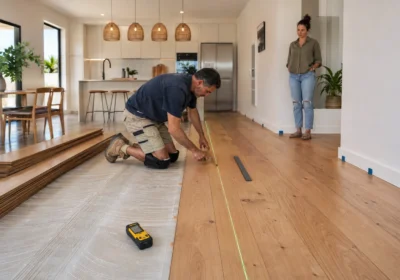
Sure, you could tackle some minor damage yourself, but significant water intrusion, fire damage, mold growth, or structural problems? That’s when you need people who do this for a living. Professional restoration specialists bring equipment you don’t have sitting in your garage, industrial-strength dehumidifiers, powerful air movers, moisture detection meters, thermal cameras that reveal water hiding inside walls. More importantly, they understand the science behind properly drying a structure so mold doesn’t take hold, the chemistry of cleaning fire-damaged surfaces, and the engineering principles that keep repairs safe. When you’re choosing who to hire, verify licensing, insurance coverage, and industry certifications that prove they know their stuff. For property owners dealing with severe water or fire damage, professionals who work with an Omaha restoration company rely on advanced assessment tools and proven remediation protocols to ensure thorough recovery. Get detailed written estimates that spell out labor costs, materials, and realistic timelines, and don’t feel awkward about getting several quotes to compare. Good restoration companies communicate directly with your insurer, providing the detailed documentation and justification that backs up their recommendations. They’ll also spot damage you might have missed, ensuring nothing gets overlooked and causes problems later. Professional restoration gets your property back to normal faster and gives you confidence the job’s been done right.
Maintain Detailed Records Throughout the Process
Restoration rarely wraps up quickly. Weeks or months might pass, which means you need organized record-keeping to track everything, manage costs, and handle any disagreements that pop up. Set up either a physical folder or digital system containing every relevant document: your insurance policy, claim numbers, adjuster reports, contractor estimates, invoices, receipts, emails, letters, everything. Keep a running log of phone calls, meetings, and site visits: who attended, what got discussed, what decisions were made.
Conclusion
Nobody wants to deal with property damage, but when it happens, a systematic response makes everything more manageable. Safety comes first, always. Document relentlessly, contact your insurer immediately, stop additional damage where you can, bring in qualified professionals, and keep meticulous records throughout. These steps transform chaos into a process you can actually navigate, with a clear destination in sight. Restoration tests your patience and sometimes forces tough choices, but with proper guidance and the right professional support, your property comes back, sometimes even better than before. The secret? Take swift action while staying organized and informed at every turn. You’ve got this.

Happy
0 %

Sad
0 %

Excited
0 %

Sleepy
0 %

Angry
0 %

Surprise
0 %
 0
0
 0
0