Practical Benefits of Shade Sails for Modern Properties
Read Time:3 Minute, 7 Second
Outdoor areas have become an increasingly important part of residential and commercial property design. In homes, they support entertaining and day-to-day living. In schools, they create more functional play and assembly areas. In business settings, they can improve customer comfort and staff usability in outdoor zones.
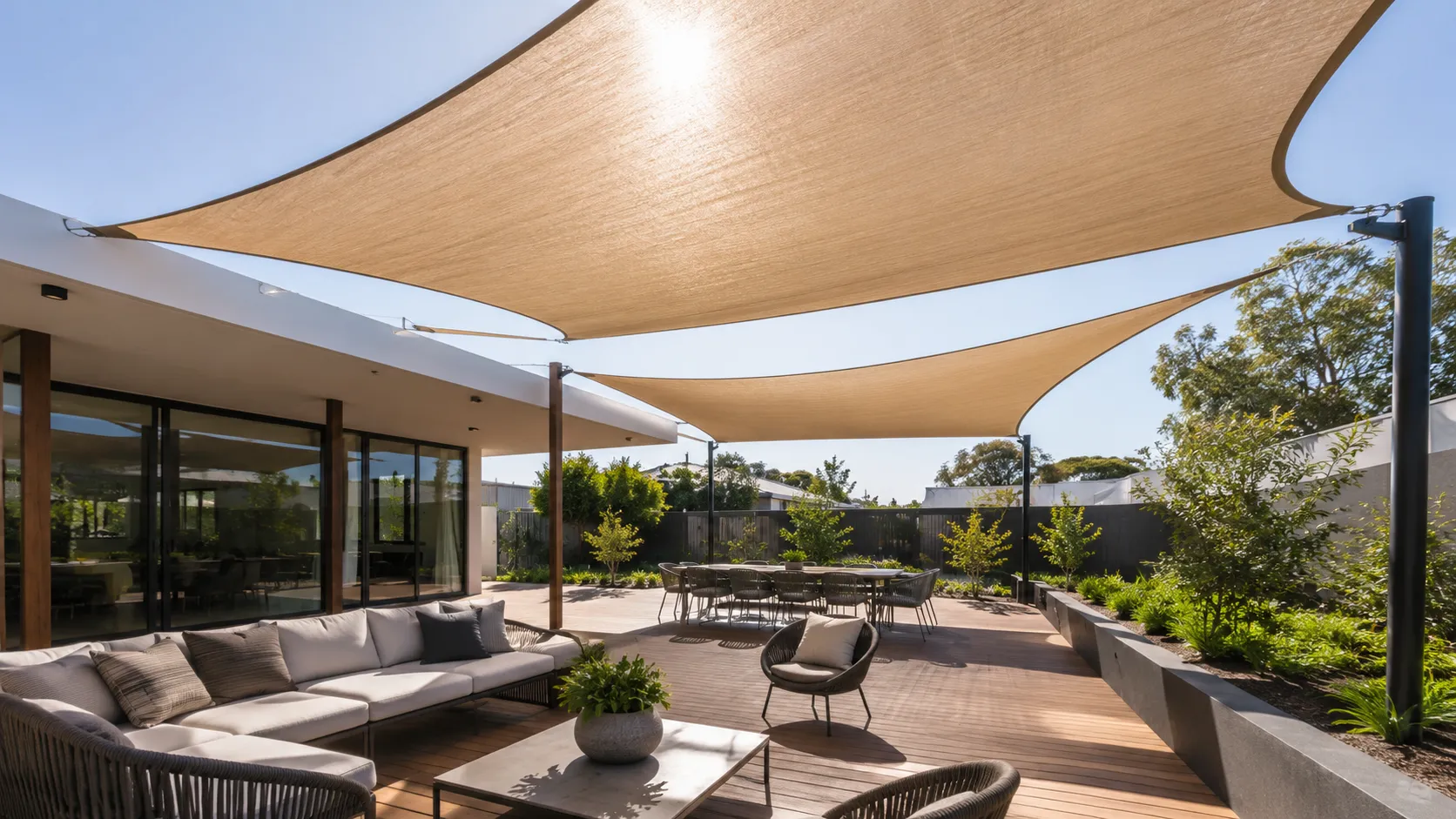
Because of this, interest in Sunshade Sails has grown across a range of Australian property types. They offer a practical way to introduce shade without fully enclosing a space, helping outdoor environments remain open while becoming more comfortable and functional.
Making exposed areas more usable
One of the main challenges in outdoor design is dealing with exposed surfaces that become difficult to use during periods of strong sunlight. Patios, playgrounds, seating areas and pool surrounds can all become less inviting when there is little protection overhead.
Shade sails help address this by creating covered zones that support more consistent use across the day. Even partial shade can improve the experience of an outdoor area, especially in places where direct sun would otherwise limit activity.
Suitable for a wide range of settings
Shade sails are not limited to one style of property. They can be adapted for homes, schools, public spaces and commercial premises. This versatility is part of their appeal. Whether the goal is to cover a small private courtyard or a much larger shared area, they can often be configured to suit the available space.
This broad suitability is useful in Australia, where outdoor environments differ widely between urban, suburban and regional locations. A flexible shade option can respond more effectively to those differences than a one-size-fits-all structure.
Preserving airflow and openness
In many outdoor spaces, comfort depends on more than just blocking sunlight. Ventilation and openness are also important. A structure that makes an area feel closed in may not suit the purpose of the space, particularly in warmer regions where airflow contributes to comfort.
Shade sails can help maintain that sense of openness. Because they do not require full enclosure, they support shaded conditions while still allowing outdoor areas to feel connected to the surrounding environment. This is particularly useful in entertaining areas, school grounds and hospitality spaces.
Supporting contemporary outdoor design
Modern property design often places value on simple, functional and visually clean outdoor features. Shade sails can work within this approach because they provide a streamlined look while serving an essential practical role. Their form can complement a range of building styles, from contemporary homes to more utilitarian public spaces.
This design flexibility also allows them to be layered into existing outdoor areas without requiring major structural changes. In many cases, they can improve an underused area without altering the overall character of the property.
Planning is essential for effective results
Although shade sails appear simple, their performance relies on careful planning. The location of support points, the direction of the sun, the angle of the fabric and site-specific weather conditions all matter. A shade structure needs to respond to the environment in which it is installed.
Effective planning is what turns shade from a basic addition into a meaningful improvement. It ensures the covered area is useful, durable and appropriate for the way the space is expected to function.
A practical response to outdoor living needs
As outdoor spaces continue to take on greater importance, shade remains a key part of making them work well. Property owners, schools and businesses all benefit from spaces that are more comfortable and usable throughout the year.
Shade sails continue to be relevant because they respond to that need in a practical and adaptable way. They support everyday outdoor use while fitting into a wide variety of settings, making them a valuable part of modern outdoor planning in Australia.

Happy
0 %

Sad
0 %

Excited
0 %

Sleepy
0 %

Angry
0 %

Surprise
0 %
 0
0
 0
0