How Sunshade Sails Improve Outdoor Comfort in Australia
Read Time:4 Minute, 32 Second
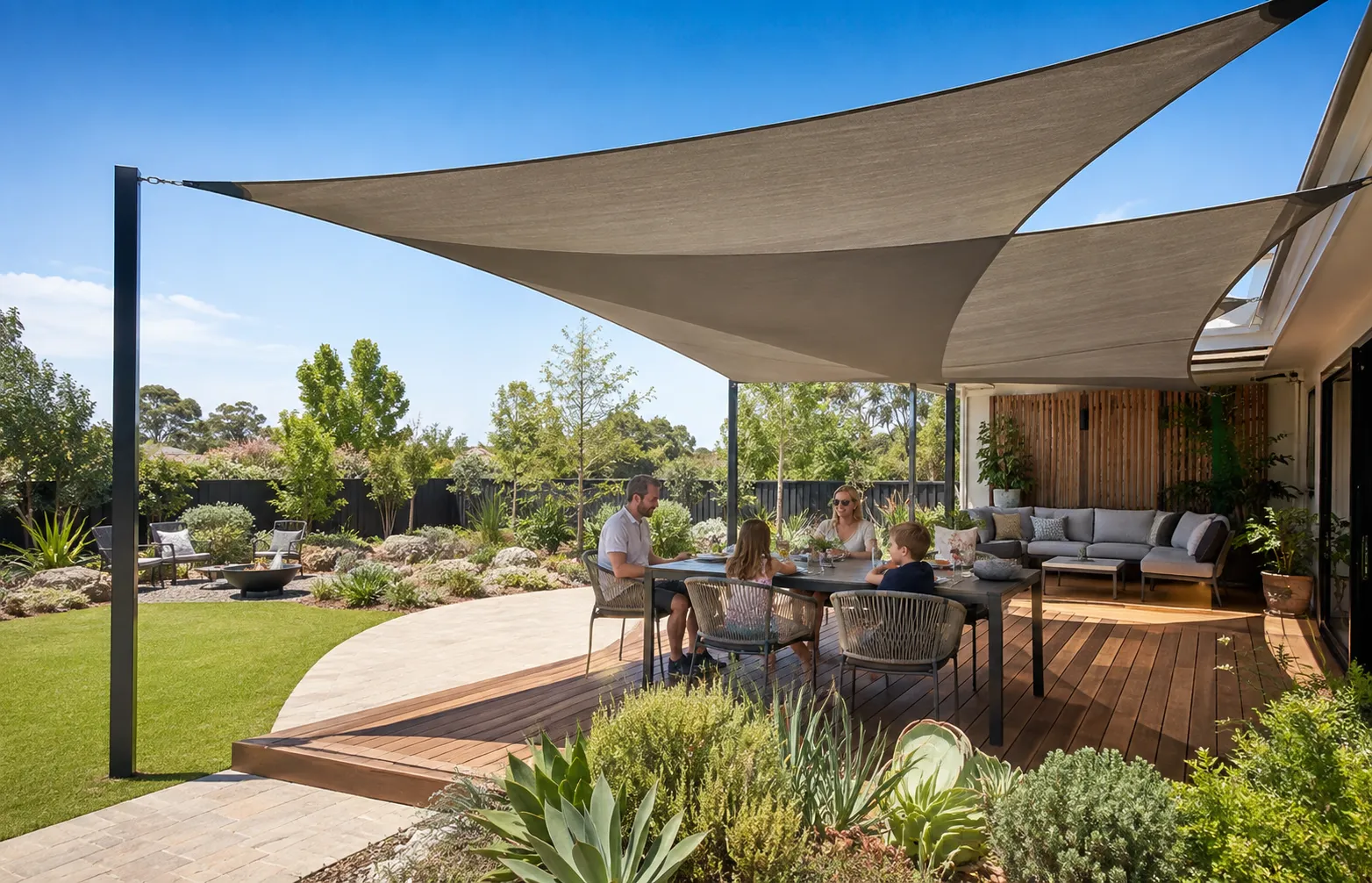
Australia’s climate makes outdoor living part of everyday life, but strong UV exposure and rising summer temperatures can make open spaces uncomfortable for long periods. That is why shade planning has become more important for households, schools, hospitality venues and public facilities alike. Well-designed Sunshade Sails offer a practical way to improve comfort while making better use of outdoor areas. They can also support safety, reduce heat build-up and help create spaces that feel more usable throughout the year.
Why shade matters in the Australian climate
In many parts of Australia, outdoor areas are exposed to intense sun for much of the year. Patios, playgrounds, courtyards and pool surrounds can quickly become too hot to use without some form of protection. Prolonged exposure to direct sunlight does not only affect comfort. It can also increase the risk of sun damage and make surfaces such as concrete, decking and outdoor furniture unpleasantly hot.
Adding shade is one of the simplest ways to improve how an outdoor area functions. A covered space often feels noticeably cooler and more inviting, which can encourage people to spend more time outside without as much exposure to harsh conditions.
What makes shade sails a practical option
Shade sails are popular because they combine function with design flexibility. Unlike some fixed structures, they can be adapted to suit different shapes, sizes and layouts. This makes them suitable for both compact residential areas and larger commercial or community spaces.
They can be installed over entertaining zones, children’s play areas, car parks, school grounds and outdoor dining sections. Their clean lines also make them a good fit for contemporary Australian properties, where homeowners and businesses often want shade solutions that feel integrated rather than bulky.
Another advantage is that they can be configured to suit the sun’s path and the intended use of the area. This allows for a more tailored outcome instead of a one-size-fits-all approach.
Where sunshade sails are commonly used
The versatility of sunshade sails has made them common across a wide range of settings. In homes, they are often used to cover decks, pergola-adjacent areas, gardens and pools. For families, this can mean a more comfortable outdoor area for children and guests during warmer months.
In schools and childcare settings, shade structures can help provide better protection in outdoor learning and play environments. Public spaces such as parks and sports facilities also benefit from shaded zones that support more regular use. In hospitality settings, outdoor seating areas become more practical when they are protected from both glare and excessive heat.
Because these spaces all have different traffic levels and safety needs, the right shade solution usually depends on more than appearance alone.
Key factors to consider before installation
Before installing a shade sail, it is important to assess the site carefully. Orientation matters because the angle of the sun changes throughout the day and across seasons. A sail that looks well positioned on paper may not provide enough cover during peak afternoon heat if the layout has not been properly considered.
The size of the area, the height of attachment points and local wind conditions also need attention. Tension, drainage and structural support all affect long-term performance. In some cases, larger installations may require engineering input or compliance checks depending on the site and the structure involved.
Material choice matters as well. Some fabrics are designed primarily for UV protection, while others may also assist with weather resistance. The intended use of the space should guide those decisions.
The balance between function and appearance
Good shade design is not only about blocking the sun. It is also about improving the way a space looks and feels. A well-proportioned sail can define an outdoor zone, soften hard surfaces and add visual interest without closing the area in.
Colour, shape and placement all influence the final result. Neutral tones may blend into residential settings, while bold designs can help create identity in schools, cafés or recreation spaces. Even so, appearance should not outweigh practical performance. The most successful installations tend to balance aesthetics with structural suitability and everyday usability.
Why maintenance should not be overlooked
Like any outdoor feature, shade sails benefit from regular maintenance. Exposure to wind, rain, debris and UV radiation can gradually affect fabric and fittings over time. Routine checks help identify issues such as slack tension, surface wear or hardware movement before they become larger problems.
Cleaning also plays a role in preserving appearance and extending service life. Maintenance needs will vary depending on the location, surrounding trees, weather exposure and the type of material used. A shade solution that is properly looked after is more likely to remain safe, effective and visually appealing for years.
Planning for long-term outdoor use
As Australians continue to make more use of outdoor environments, shade has become an essential part of practical design rather than an afterthought. Whether the goal is to make a backyard more comfortable, improve a school play area or support better use of a commercial outdoor zone, effective shading can make a meaningful difference.
Sunshade sails remain a widely used option because they can adapt to many environments while helping outdoor spaces stay cooler, safer and more functional. When planned with site conditions, materials and long-term use in mind, they can contribute to more comfortable outdoor living across a broad range of Australian settings.

Happy
0 %

Sad
0 %

Excited
0 %

Sleepy
0 %

Angry
0 %

Surprise
0 %
 0
0
 0
0