
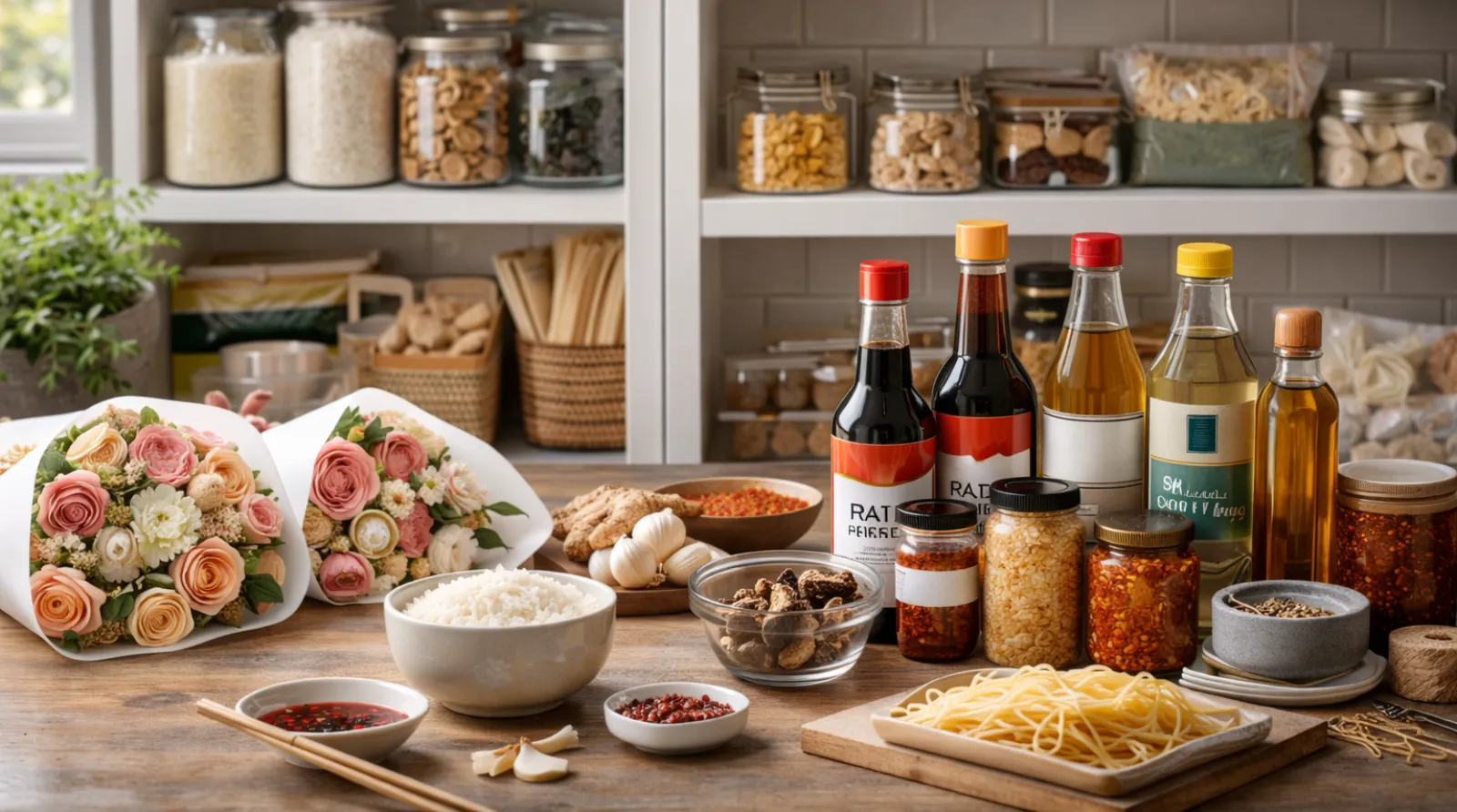
A Beginner’s Guide to Asian Pantry Staples
Read Time:4 Minute, 15 Second
Building an Asian pantry is less about buying “everything” and more about collecting a small set of reliable ingredients that combine into dozens of meals. With a few staples, weeknight cooking gets easier: noodles become soup or stir-fry, rice becomes congee or fried rice, and sauces turn plain vegetables into something deeply satisfying.
Many cooks start by identifying an asian grocery melbourne option that carries multiple regional essentials, because it makes it simpler to compare brands side by side and find the versions that match the dishes you want to cook most often. From there, you can build a pantry gradually, starting with the items you will actually use.
Rice: the foundation that shapes the whole meal
Rice is not one ingredient. Different varieties behave differently, and picking the right one makes cooking feel effortless.
- Jasmine rice: Fragrant, slightly sticky, and great for Thai and Vietnamese meals, as well as everyday plates.
- Basmati rice: Long-grain and aromatic with a drier finish, ideal for Indian and Pakistani cooking.
- Short-grain sushi rice: Plumper and stickier, used for sushi, onigiri, and Japanese donburi bowls.
- Glutinous rice: Very sticky when cooked, used in desserts and dishes like sticky rice with mango.
Storage tip: Keep rice sealed in an airtight container in a cool cupboard. If you buy large bags, portion some into a smaller container for daily use.
Noodles: fast meals in a hundred directions
A good noodle shelf lets you cook quickly without sacrificing variety.
- Rice noodles: Common in pho, pad thai, and stir-fries. They cook fast but can turn mushy if over-soaked.
- Wheat noodles: Includes ramen, udon, and egg noodles. These hold up well in broth and stir-fries.
- Glass noodles (mung bean or sweet potato): Translucent and springy, great in salads, soups, and hot pot.
- Instant noodles: Not just a “last resort.” Many are designed for quick upgrades with greens, eggs, dumplings, or leftover roast meat.
Practical habit: Keep one soup noodle and one stir-fry noodle on hand. That alone covers most spontaneous cravings.
The core sauces: salty, sweet, sour, and umami
Sauces are where the “restaurant flavor” often comes from. Start with a small set that mixes well.
- Soy sauce: Learn the difference between light soy (saltier, for seasoning) and dark soy (darker, slightly sweeter, for color and depth).
- Oyster sauce: Thick, savory, and excellent in stir-fries, especially with greens and noodles.
- Fish sauce: Funky and powerful in small amounts, key for many Southeast Asian dishes.
- Rice vinegar: Mild acidity for pickles, dipping sauces, and dressings.
- Sesame oil: A finishing oil, not a frying oil. A few drops changes everything.
If you want a simple “default”: soy sauce + rice vinegar + a touch of sugar + chili gives a quick dipping sauce for dumplings, tofu, or roasted vegetables.
Aromatics and spices: the flavor engine
Aromatics are the ingredients that make a kitchen smell like something is happening.
- Garlic and ginger: Universally useful. Keep fresh, but also consider jarred ginger or frozen cubes for speed.
- Scallions and shallots: Flexible for soups, stir-fries, and garnishes.
- Dried chilies and chili flakes: Easy heat control.
- White pepper and five-spice powder: Common in Chinese-style soups and marinades.
- Curry pastes and spice blends: Thai curry pastes and Indian spice mixes can anchor a meal with minimal effort.
If you cook often, consider freezing sliced ginger and garlic. It reduces waste and speeds up prep.
Canned, dried, and pickled goods that save weeknights
These are the quiet heroes that turn “nothing in the fridge” into dinner.
- Coconut milk: For curries, soups, and even sweet drinks.
- Canned bamboo shoots or water chestnuts: Crunch and texture in stir-fries.
- Dried mushrooms: Deep umami for broths and sauces.
- Seaweed: Nori for rice, wakame for soups, kombu for stock.
- Pickles and ferments: Kimchi, pickled radish, preserved mustard greens, and similar items add instant tang and complexity.
A good rule: keep one crunchy add-in and one sour add-in around. It makes simple bowls feel complete.
Freezer staples: dumplings, seafood, and ready-to-cook wins
An Asian pantry is often half pantry and half freezer. The freezer is where “quick but satisfying” lives.
- Dumplings and gyoza: Boil, steam, or pan-fry. Add a simple vinegar-soy dip.
- Bao and buns: Easy snacks or light meals.
- Fish balls, tofu puffs, sliced meats: Great for soups and hot pot.
- Frozen vegetables: Edamame, okra, Asian greens, or mixed stir-fry blends can rescue busy nights.
If you want an ultra-fast meal: frozen dumplings + leafy greens + broth base is dinner in 10 minutes.
Smart storage and a beginner’s buying plan
To keep the pantry useful rather than overwhelming, buy in layers.
- Week 1: Rice, one noodle, soy sauce, rice vinegar, garlic, ginger
- Week 2: Oyster sauce, sesame oil, chili product, one curry paste or spice blend
- Week 3: Coconut milk, dried mushrooms or seaweed, one pickle or ferment
- Week 4: Dumplings and one frozen “building block” (edamame, fish balls, tofu)
Label bottles with purchase dates and keep a small “working set” at the front of your cupboard. A tidy pantry gets used more.

Happy
0 %

Sad
0 %

Excited
0 %

Sleepy
0 %

Angry
0 %

Surprise
0 %
 0
0
 0
0