What Makes a Chinese Restaurant “Great” Beyond the Menu
Read Time:3 Minute, 39 Second
Walk into any Chinese restaurant and you will see familiar signals: busy tables, steaming bowls, and menus that range from brief to encyclopedic. None of that guarantees a memorable meal, though. Debates over the best chinese restaurant Melbourne often hinge less on novelty and more on repeatable technique, from high-heat stir-fries to disciplined seasoning.
If you want a reliable way to judge quality, it helps to look past hype and focus on what skilled kitchens do consistently well. The good news is that many of the clues are visible (and tasteable) within the first few dishes.
Consistency is the real “signature”
A great restaurant can impress once. A truly strong one repeats the same standard on a quiet Tuesday as it does on a packed Saturday. Consistency shows up in small things: sauces that taste the same each visit, rice that is properly steamed rather than clumpy or dry, and vegetables that keep their color and bite instead of collapsing into softness.
One practical trick is to notice whether a place has a tight core of dishes that stay on the menu. Constantly rotating everything can be creative, but it can also hide inconsistency. Many top kitchens keep a steady backbone and refine execution over time.
Technique you can taste: wok hei, timing, and restraint
Chinese cooking often rewards precision and heat control. In stir-fries, the difference between “fine” and “excellent” is frequently timing. Ingredients should arrive in the right order, so aromatics bloom without burning and proteins stay tender without turning watery.
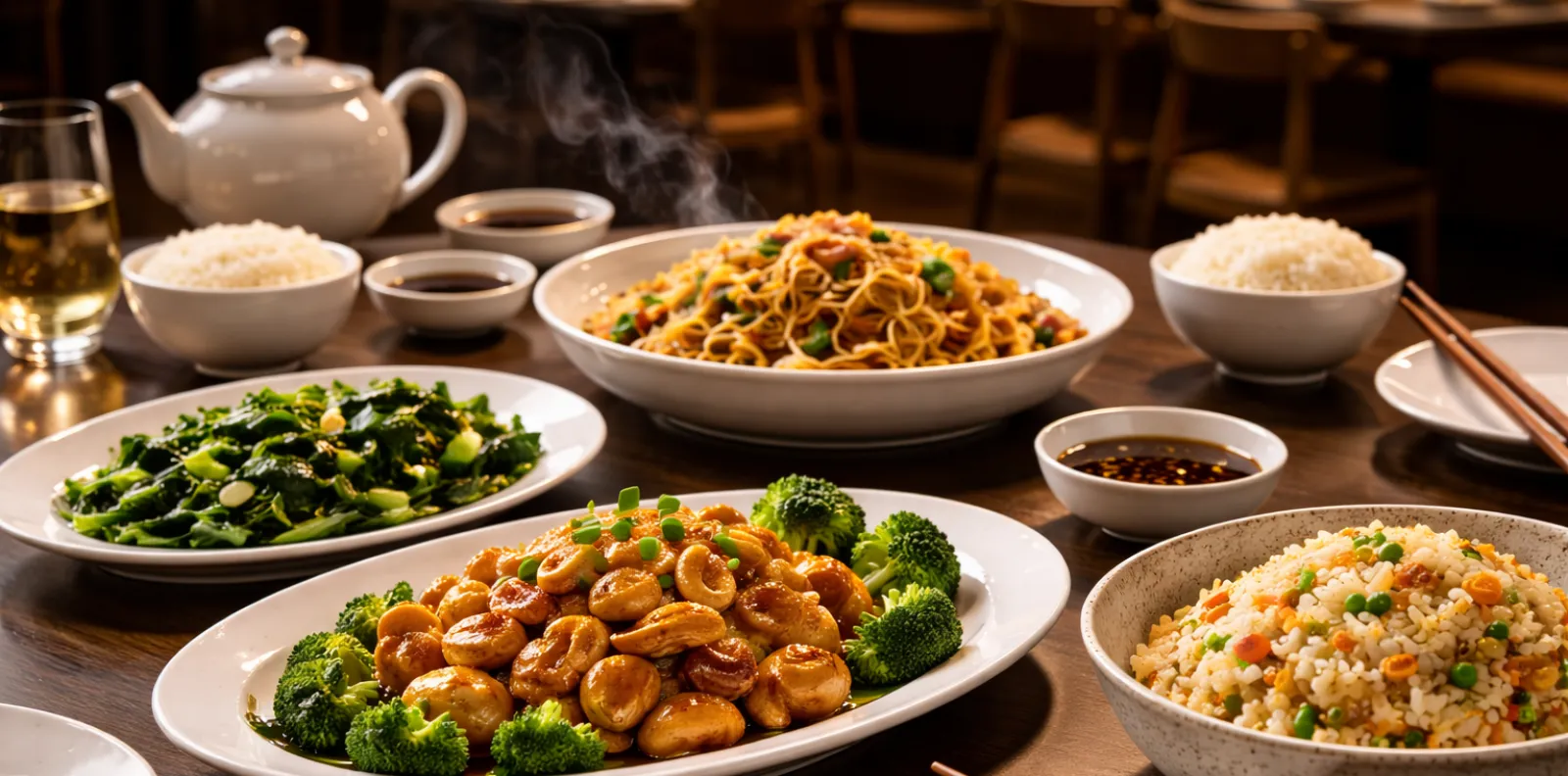
Wok hei, the smoky edge from intense heat and rapid movement, is another tell. You will notice it most in simple dishes: fried rice, stir-fried greens, noodles with soy and scallion. When those basic plates taste vivid rather than flat, it suggests the kitchen has control.
Restraint is part of technique too. Heavy-handed salt, sugar, or thickened sauces can blur flavors. Better cooking often tastes cleaner, with seasoning that supports the main ingredient instead of covering it.
Ingredient quality and prep work that does not announce itself
Great ingredients are not always expensive, but they are handled well. Look for freshness and prep discipline: crisp bean sprouts that are not soggy, herbs that taste bright, and seafood that is sweet rather than fishy.
Prep work is an invisible multiplier. Hand-chopped aromatics tend to cook more evenly. Properly washed and trimmed greens keep their structure. Marinating proteins with the right balance of salt, starch, and aromatics produces that tender bite people associate with restaurant cooking.
A useful benchmark dish is a simple vegetable plate (like gai lan or bok choy). If it arrives vibrant, lightly glossed, and well-seasoned, the kitchen likely treats the rest of the menu with care.
A menu that signals focus, not confusion
A huge menu is not automatically a problem, but it raises a question: can the kitchen execute all of it well? Focus often shows up as regional clarity. A restaurant that leans Cantonese, Sichuan, Northern Chinese, or Shanghainese usually has a flavor logic that runs through the menu.
Even without regional labels, you can look for coherence. Do the soups, stir-fries, and braises share a consistent style? Are there house-made staples like chili oil, pickles, or stocks that appear in multiple dishes? Those patterns suggest a kitchen that cooks from a point of view rather than assembling plates at random.
Also consider how a menu explains itself. Clear descriptions of cooking methods (steamed, braised, dry-fried) can be a sign that the restaurant expects diners to order based on technique, not just catchy names.
Service cues that correlate with kitchen standards
Great cooking is the headline, but service can reveal how the operation runs. Well-timed pacing, clear communication, and a calm rhythm during busy periods often track with a well-managed kitchen.
Pay attention to how problems are handled. If a dish arrives off, do staff treat it as a solvable issue or as an inconvenience? Restaurants that care about standards tend to be straightforward about fixing mistakes, because protecting consistency matters more than winning an argument.
This is also where you can learn a lot without turning dinner into an interview. A simple question like “Is this dish usually spicy?” or “Is the fish served bone-in?” can reveal whether the staff understands the menu and how it is prepared.

Happy
0 %

Sad
0 %

Excited
0 %

Sleepy
0 %

Angry
0 %

Surprise
0 %
 0
0
 0
0