Newcastle’s Bathroom Boom: Why Renovations Are Surging in the City’s Older Homes
Read Time:6 Minute, 25 Second
Newcastle has long been a city of reinvention. Once known primarily for its coal and industrial roots, it has blossomed into a coastal hub blending heritage charm with contemporary living. But as the city’s housing stock ages—and residents seek lifestyle upgrades without leaving their neighbourhoods—one room in particular is undergoing a massive transformation: the bathroom.
From Merewether to Mayfield, the surge in bathroom renovations in Newcastle isn’t just a design trend. It’s a response to shifting expectations around comfort, wellness, and property value. Whether it’s fixing decades-old plumbing or embracing open-concept aesthetics, Newcastle is in the midst of a full-blown bathroom boom. Here’s what’s driving it—and why the city’s character-filled homes are being refreshed one tile at a time.
Aging Housing Stock Is Ready for an Overdue Refresh
Many of Newcastle’s inner-city and coastal suburbs are filled with homes built between the 1920s and 1970s. These character-rich properties often boast beautiful bones—high ceilings, hardwood floors, and vintage façades—but their bathrooms have been left behind. Pink porcelain sinks, avocado-green bathtubs, and cramped layouts are still common in many homes, and while they offer nostalgic charm, they no longer meet the demands of modern living.
In suburbs such as Hamilton and The Junction, homeowners are finding that their bathrooms are not only stylistically outdated but functionally inadequate. Narrow shower stalls, poor ventilation, and worn-out plumbing create a daily inconvenience, especially for families or professionals who crave efficiency and comfort. Renovations in these homes often go beyond cosmetic upgrades—they involve full replumbing, electrical rewiring, and waterproofing to bring the space up to current standards.
As these homes appreciate in value, especially amid Newcastle’s real estate upswing, homeowners are recognising that a well-executed bathroom renovation doesn’t just improve quality of life—it also preserves the property’s worth and appeal in a competitive market.
Lifestyle Upgrades Are Now Considered Essential, Not Extravagant
In a post-pandemic world, our relationships with our homes have changed dramatically. Bathrooms, once purely utilitarian spaces, are now seen as extensions of personal wellness. A renovated bathroom can serve as a retreat—a spa-like space for relaxation, mindfulness, and even productivity. It’s no longer considered extravagant to have a rain shower, underfloor heating, or a double vanity; it’s simply part of the lifestyle standard for 2025.
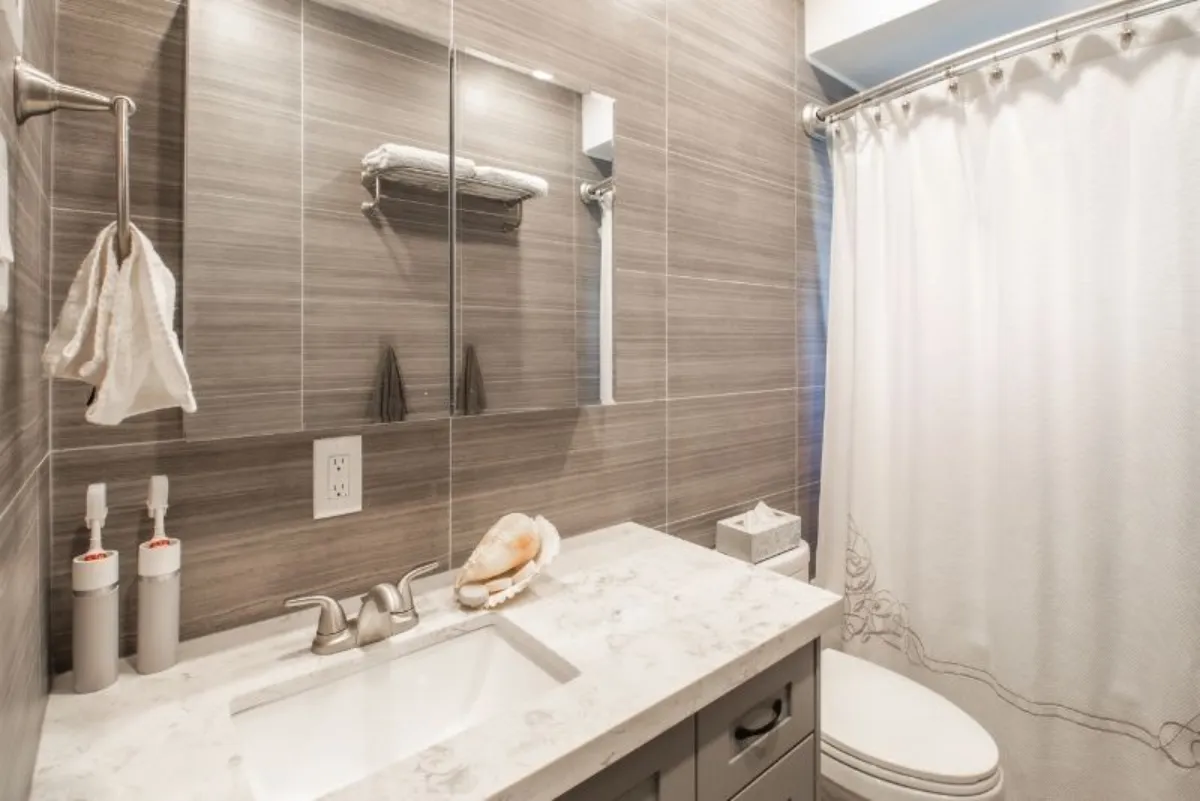
Homeowners in areas such as New Lambton and Adamstown are increasingly requesting luxurious features during their renovations. Frameless glass shower screens, freestanding bathtubs, floating vanities, and ambient lighting are among the most requested upgrades. For busy families or professionals, functionality is key—think built-in storage, dual sinks, and water-efficient fittings. But there’s also a strong push toward creating soothing, Instagram-worthy spaces that feel elevated yet livable.
These modern updates are about more than looks—they reflect a shift in mindset. People want their homes to work harder for them, and the bathroom has become a space where design and daily routine intersect more intimately than ever before.
Energy and Water Efficiency Are Driving Practical Upgrades
With utility costs rising and sustainability on everyone’s radar, bathroom renovations are increasingly focused on energy and water efficiency. Newcastle residents, particularly those in eco-conscious communities such as Islington and Tighes Hill, are using renovations as an opportunity to modernise their homes with environmentally responsible features.
Dual-flush toilets, low-flow showerheads, and sensor-activated taps are becoming the norm. Meanwhile, energy-efficient LED lighting, solar-powered water heaters, and well-insulated underfloor heating systems are being integrated into even mid-range bathroom renovation projects. These features not only reduce household bills over time but also align with broader sustainability goals that many Newcastle homeowners share.
Fencing off water and energy waste also adds long-term value to a property. Buyers are increasingly seeking homes that offer environmental credibility, and energy-efficient bathrooms contribute to achieving higher BASIX ratings or Green Building compliance—crucial in the new-build and resale markets.
Improved Accessibility for Aging in Place
Newcastle’s population is aging, with many long-term residents choosing to remain in their homes well into retirement. For these homeowners, renovating the bathroom is less about aesthetics and more about functionality, safety, and independence. Modifications such as walk-in showers, non-slip flooring, grab rails, and wheelchair-accessible layouts are being added in increasing numbers—especially in established suburbs such as Charlestown and Waratah.
The “aging in place” approach reflects a larger social shift: older Australians want to remain in familiar communities rather than transition to aged care. Renovating a bathroom with accessibility in mind can extend the life of a home for decades. What’s more, modern design doesn’t require sacrificing style—contractors now offer sleek, discreet solutions that cater to mobility needs without creating a clinical appearance.
These updates are also proving valuable for multigenerational households, where families may need to accommodate elderly parents or relatives with disabilities. As such, accessible bathroom renovations are becoming an essential part of future-proofing Newcastle homes.
Technology Is Transforming the Way We Use Bathrooms
Smart home integration has reached the bathroom—and Newcastle homeowners are embracing it. From digital shower controls to Bluetooth ceiling speakers, today’s bathrooms are getting smarter, cleaner, and more responsive to daily needs.
Homeowners in suburbs such as Kotara and Fletcher are incorporating technology into their bathroom renovations at record pace. Sensor-activated lighting, fog-free mirrors, heated towel racks, and app-controlled thermostats are just the beginning. Some are installing touchless taps and UV sanitising systems to enhance hygiene, a concern that’s been magnified in the wake of recent global health events.
Smart toilets, once viewed as a novelty, are becoming more common thanks to their hygiene, water efficiency, and accessibility features. And for tech-savvy homeowners, the bathroom is no longer disconnected from the rest of the home—it’s now part of an integrated system that adjusts lighting, temperature, and sound preferences automatically.
Property Value and Rental Yield Are Pushing Strategic Renovations
With Newcastle’s housing market continuing to perform strongly, homeowners are seizing the opportunity to enhance their property value through targeted upgrades. For investors and owner-occupiers alike, bathroom renovations are considered high-ROI improvements—helping properties sell faster and command higher prices in a competitive real estate landscape.
In high-demand suburbs such as Merewether Heights and The Hill, real estate agents often emphasise renovated bathrooms as key selling points. A sleek, modern bathroom communicates to buyers that the home has been well cared for, reducing perceived maintenance needs and reinforcing the asking price.
For landlords, an updated bathroom can also boost rental yield. Tenants are increasingly discerning, and a clean, modern, functional bathroom is a major drawcard—especially in the professional or student rental markets around areas such as Jesmond and Newcastle West.
Conclusion: From Outdated to Outstanding—Newcastle’s Bathrooms Are Evolving
In 2025, Newcastle’s homes are undergoing a quiet revolution—one tiled wall, rain shower, and floating vanity at a time. The bathroom boom isn’t just about aesthetics; it’s a reflection of changing lifestyles, environmental awareness, improved technology, and smart investment. Homeowners are no longer willing to tolerate leaky taps and cramped layouts—they want spaces that match the comfort and sophistication of the city Newcastle is becoming.
As demand for bathroom renovations continues to surge in Newcastle, it’s clear that the city’s older homes are not being left behind—they’re being lovingly and intelligently reimagined. Whether the goal is relaxation, practicality, or increased property value, one thing’s certain: the future of Newcastle living starts in the bathroom.

Happy
0 %

Sad
0 %

Excited
0 %

Sleepy
0 %

Angry
0 %

Surprise
0 %
 0
0
 0
0