Artificial Grass Solutions for Commercial Rooftops and Courtyards
Read Time:4 Minute, 50 Second
More and more commercial properties are discovering the power of innovative landscaping solutions that marry beauty with practicality. Artificial grass has become a game-changer for rooftops and courtyards, giving business owners a way to create vibrant green spaces without the constant upkeep that natural turf demands. These synthetic surfaces deliver visual appeal throughout the year while tackling the unique challenges that come with commercial outdoor environments. Whether you’re managing a corporate office building, hotel, restaurant, or retail complex, getting a solid grasp on the benefits and considerations of artificial grass installation will empower you to make smarter decisions about your property’s outdoor spaces.
Transforming Urban Spaces with Rooftop Green Areas
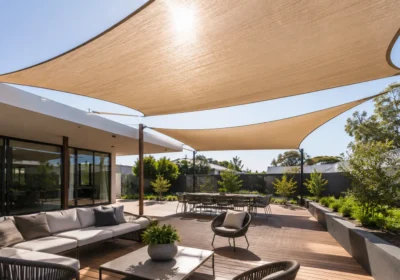
Urban commercial properties often struggle with limited options for creating outdoor recreational spaces, which makes rooftops increasingly valuable real estate. Artificial grass breathes new life into these underused areas, turning them into functional gathering spaces that benefit employees, customers, and tenants all year long. Unlike traditional rooftop gardens that need extensive irrigation systems, drainage modifications, and careful weight-bearing assessments for soil, synthetic turf provides a lightweight alternative that eases structural concerns considerably. The installation process takes existing waterproofing membranes and drainage systems into account, making sure your building’s integrity stays protected while you create an inviting outdoor environment.
Durability and Performance in High-Traffic Commercial Settings
Commercial courtyards and outdoor spaces see far more foot traffic than residential applications, which means you need materials that can handle constant use without falling apart. Today’s artificial grass products come equipped with advanced backing systems and fiber technologies specifically designed for commercial settings where hundreds or even thousands of people might walk across the surface every single day. The pile density and blade construction in commercial-grade products resist matting and crushing, keeping their upright appearance intact even in heavily trafficked areas near building entrances, dining spaces, or common areas. UV stabilization treatments shield the fibers from sun exposure and fading, which means your investment keeps its vibrant look for years despite relentless exposure to the elements.
Maintenance Advantages for Property Management Teams
The operational demands of running commercial properties call for landscaping solutions that keep ongoing labor and resource costs down while maximizing visual impact. Artificial grass wipes out the recurring expenses tied to mowing, fertilizing, aerating, and reseeding that natural turf demands throughout the growing season. Property management teams can shift maintenance budgets and staff time toward other priorities instead of pouring resources into weekly lawn care services. Water conservation takes on particular significance for commercial properties in drought-prone regions or municipalities with strict water use regulations and climbing utility costs.
Design Flexibility and Aesthetic Customization Options
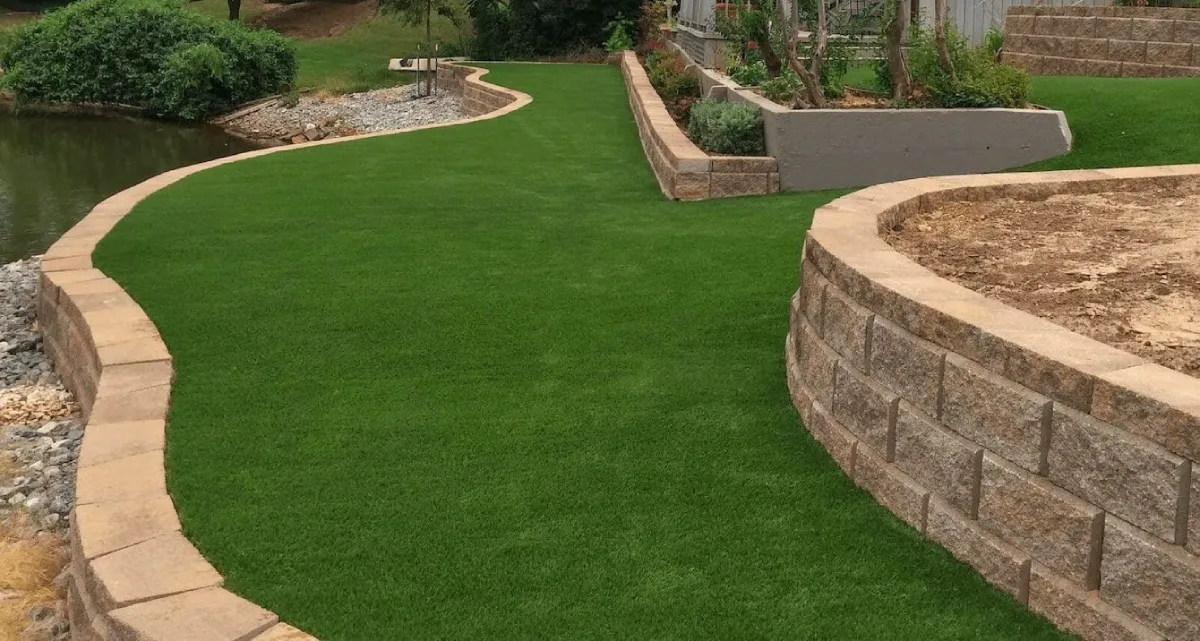
Commercial spaces thrive on design solutions that reinforce brand identity and create memorable experiences for visitors and occupants. Artificial grass installations deliver extensive customization options that let you weave company colors, logos, and distinctive patterns directly into the landscape design. The synthetic material blends seamlessly with other hardscape elements like pavers, decking, concrete, and decorative stone to create dynamic outdoor spaces with varied textures and visual appeal. You can mark out specific zones within courtyards or rooftop areas using different grass heights, colors, or directional pile patterns to guide traffic flow or distinguish functional areas without putting up physical barriers. When designing commercial outdoor environments, property managers who need to create cohesive landscapes often rely on NexGen Lawns synthetic grass to achieve professional results that complement existing architectural elements. The consistency of artificial turf provides a clean, polished backdrop for outdoor furniture, planters, and architectural features that might clash visually with the irregular growth patterns of natural grass. Installation flexibility reaches into irregular spaces, slopes, and challenging areas where establishing natural turf would prove difficult or downright impossible because of shade, exposure, or access limitations. These design capabilities help you maximize the usability and appeal of every square foot of your commercial outdoor space.
Environmental and Sustainability Considerations
Corporate responsibility initiatives increasingly shape commercial property decisions, making the environmental footprint of landscaping choices a relevant factor worth examining. Artificial grass installations eliminate the need for chemical fertilizers, herbicides, and pesticides that can contaminate stormwater runoff and harm local water quality. The water conservation benefits stretch beyond immediate cost savings to address broader concerns about resource scarcity and environmental stewardship that resonate with environmentally conscious tenants and customers. Modern synthetic turf products incorporate recycled materials in their construction and are themselves recyclable at the end of their functional lifespan, which supports circular economy principles.
Installation Considerations for Commercial Applications
Successful artificial grass implementation in commercial settings hinges on careful planning and professional installation to ensure long, term performance and satisfaction. The substrate preparation beneath synthetic turf significantly impacts drainage, stability, and longevity, which means you need experienced contractors who understand commercial specifications and building code requirements. Rooftop installations demand particular attention to waterproofing protection, weight distribution, and wind uplift resistance to prevent damage to both the artificial grass system and the building structure underneath. Courtyard applications must account for existing irrigation systems, utility lines, and drainage infrastructure that may need modification or removal during installation.
Conclusion
Artificial grass solutions give commercial property owners and managers a practical path toward creating attractive, functional outdoor spaces on rooftops and in courtyards. The blend of low maintenance requirements, year-round aesthetic appeal, and design flexibility makes synthetic turf particularly well-suited to the demanding conditions of commercial environments. By eliminating the resource-intensive care that natural grass requires while providing durable surfaces that stand up to heavy use, artificial installations deliver long-term value that reaches beyond initial cost considerations. As you weigh landscaping options for your commercial property, think about how synthetic turf can transform underutilized spaces into assets that enhance property value, support sustainability goals, and create positive experiences for everyone who visits or works at your location.

Happy
0 %

Sad
0 %

Excited
0 %

Sleepy
0 %

Angry
0 %

Surprise
0 %
 0
0
 0
0