How Leaf Gutter Protection Helps Reduce Roof and Gutter Maintenance
Read Time:4 Minute, 22 Second
Gutter and roof upkeep is easy to ignore until problems start to appear. Overflow during rain, damp patches near eaves and debris sitting in the gutter line can all place extra stress on a home over time. In many parts of Australia, trees shed leaves, bark and seed pods throughout the year, which means gutters can fill up faster than many homeowners expect. That is why leaf gutter protection is often considered as part of a broader maintenance strategy rather than just a seasonal add-on.
It Helps Limit the Build-Up of Leaves and Debris
One of the most common reasons gutters need regular attention is the steady build-up of organic debris. Leaves are the most obvious issue, but they are rarely the only one. Small twigs, blossoms, bark and dirt can all collect in gutters and begin to form dense blockages, especially after wind and rain. Once this material settles, it can trap moisture and create a heavy layer of waste that is difficult to clear without manual cleaning.
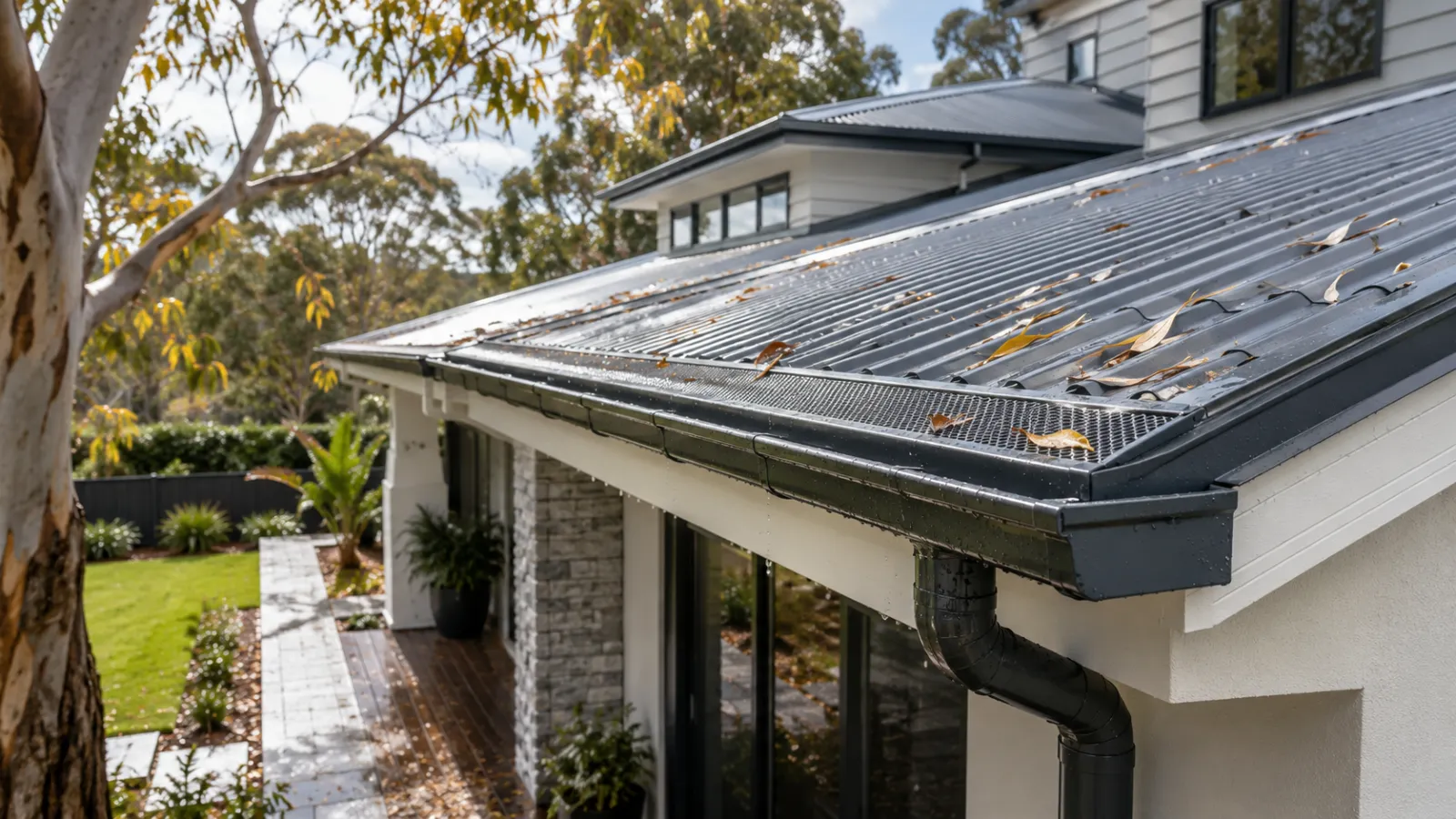
Leaf gutter protection helps reduce how much debris enters and stays in the gutter system. By acting as a barrier over the open channel, it can stop larger materials from collecting where water is meant to flow. This does not remove the need for all maintenance forever, but it can greatly reduce the volume of debris that causes the most common problems.
For homes in suburbs with established trees, this can be particularly useful. Native Australian trees often drop fine litter across different seasons, so gutter issues are not always limited to autumn. A protection system can make roof drainage more manageable throughout the year and reduce the chances of sudden blockages after storms.
It Can Reduce the Frequency of Gutter Cleaning
Routine gutter cleaning is one of those jobs that often gets pushed back until it becomes urgent. For some households, especially those under heavy tree cover, cleaning may need to happen more than once a year. This can add time, cost and safety concerns, particularly in homes with higher rooflines or difficult access points.
Leaf gutter protection can reduce how often gutters need full clean-outs by preventing large amounts of debris from settling in the first place. When less material enters the gutter, there is usually less compacted waste to remove later. This can make scheduled maintenance simpler and less frequent, even if occasional inspection is still necessary.
That reduction matters because blocked gutters are rarely an isolated issue. Overflowing water can affect fascia boards, soffits and surrounding exterior surfaces. When maintenance is delayed, a small cleaning task can turn into a more expensive repair job. By lowering the cleaning burden, leaf gutter protection supports a more practical and predictable maintenance routine.
For property owners looking to reduce ladder work and ongoing upkeep, this kind of system may help make exterior care less demanding without changing the basic structure of the home.
It Supports Better Water Flow During Rainfall
Gutters are designed to move rainwater efficiently from the roof to the downpipes and away from the house. When leaves and sediment interrupt that path, water can back up and spill over the sides. In heavy Australian downpours, that overflow can happen quickly, especially if blockages are already forming around bends or outlets.
Leaf gutter protection helps support water flow by keeping the drainage path clearer. When gutters are less obstructed, water is more likely to move through the system as intended. This can help reduce pooling, overflow and the added strain that standing water places on gutter brackets and roof edges.
Better flow is also important for protecting areas below the gutter line. Repeated overflow can affect walls, paving, garden beds and foundations, depending on where the water lands. While gutter protection is not a fix for every drainage issue, it can play an important role in helping the whole system work more consistently during wet weather.
In this way, maintenance is not only about removing debris. It is also about preserving the basic performance of the roof drainage system and reducing the chance of moisture-related issues developing around the home.
It May Help Reduce Long-Term Wear on Roofing Components
When debris sits in gutters for long periods, it can keep moisture close to the roof edge. Over time, that damp environment may contribute to deterioration in nearby materials, particularly if water begins to overflow regularly. Areas around the fascia, eaves and gutter connections can become more vulnerable when drainage is poor and maintenance is inconsistent.
Leaf gutter protection may help reduce that long-term wear by keeping the gutter line cleaner and allowing water to move away more effectively. Less trapped debris means fewer conditions that encourage moisture build-up, sagging weight and repeated overflow. That can be beneficial for both the guttering itself and the roofline it supports.
This is one reason the system is often viewed as a preventative measure rather than a simple convenience feature. Instead of waiting for signs of blockage, staining or overflow, homeowners can focus on reducing the conditions that contribute to those issues in the first place. Over time, that approach can support a lower-maintenance exterior and help keep routine roof and gutter care more manageable.

Happy
0 %

Sad
0 %

Excited
0 %

Sleepy
0 %

Angry
0 %

Surprise
0 %
 0
0
 0
0