How Quality Pallets in Melbourne Improve Supply Chain Efficiency
Read Time:4 Minute, 24 Second
In today’s fast-moving logistics and warehousing environment, every component in the supply chain plays a critical role in maintaining speed, safety, and cost efficiency. One often overlooked element is the pallet. High-quality pallets are not just a platform for transporting goods they are a key operational asset that directly impacts handling time, product protection, storage optimisation, and overall workflow. For businesses operating in Melbourne’s highly competitive industrial and distribution sectors, investing in reliable pallets can significantly enhance supply chain performance.
Faster Handling and Improved Operational Flow
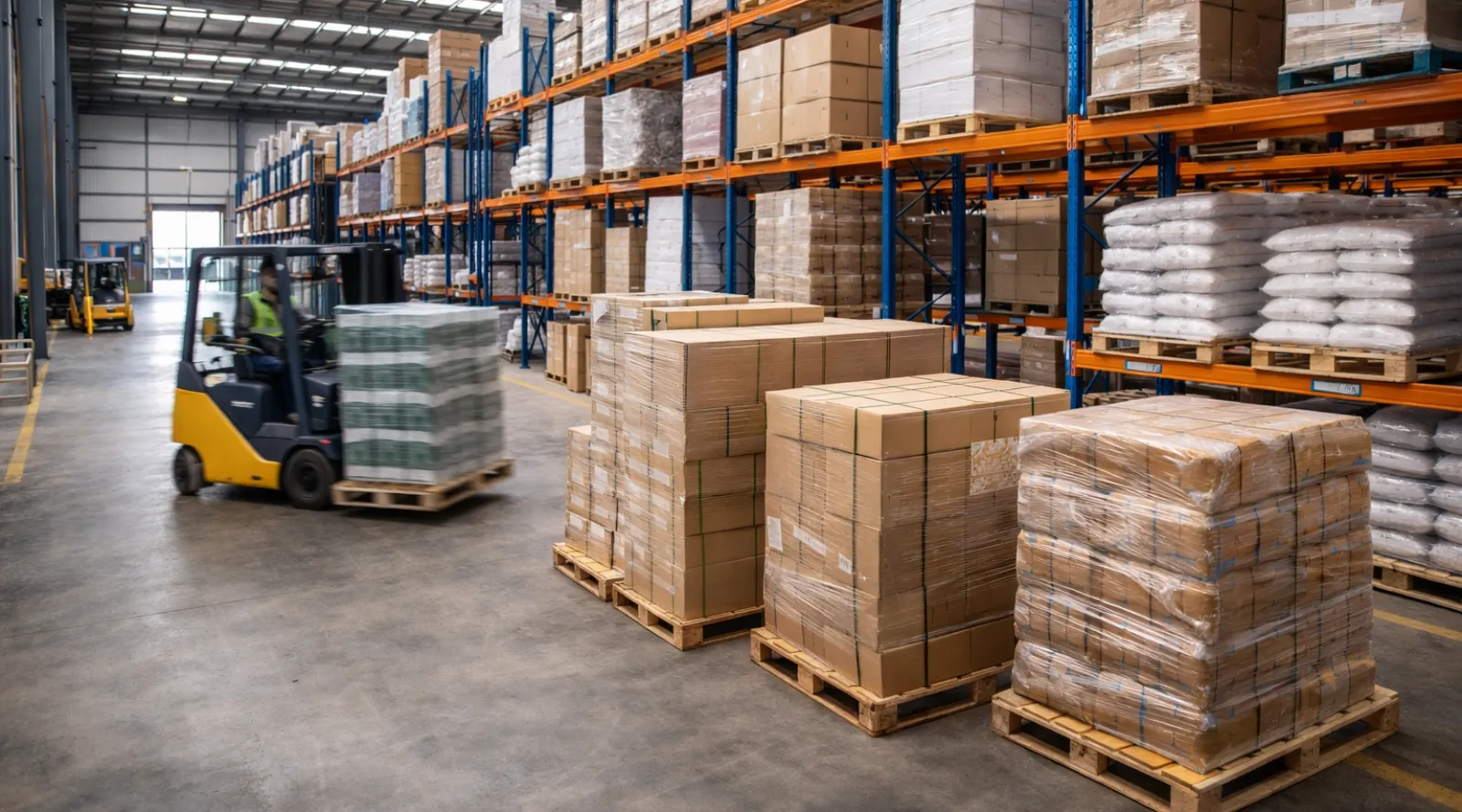
Efficient material handling is essential for meeting delivery deadlines and maintaining productivity in warehouses and distribution centres. Quality Pallets Melbourne are designed with consistent dimensions, strong load-bearing capacity, and structural stability, allowing forklifts, pallet jacks, and automated systems to move goods quickly and safely.
When pallets are uniform and in good condition, they reduce the risk of delays caused by pallet breakage, product re-stacking, or manual adjustments. This leads to smoother loading and unloading processes, faster turnaround times for transport vehicles, and improved workflow across the entire supply chain. In busy Melbourne logistics hubs, where time-sensitive deliveries are the norm, this operational efficiency provides a clear competitive advantage.
Better Product Protection and Reduced Damage
Damaged goods can result in significant financial losses, customer dissatisfaction, and increased return rates. Poor-quality or worn-out pallets often have weak boards, protruding nails, or structural instability, which can compromise the safety of the products they carry.
High-quality pallets provide a stable and secure base for goods during storage and transportation. They distribute weight evenly, minimise movement, and withstand heavy loads without collapsing. This is especially important for fragile, high-value, or bulk items that require reliable support throughout their journey.
By reducing product damage, businesses can lower replacement costs, minimise waste, and maintain strong relationships with customers and suppliers. In a supply chain environment where consistency and reliability are crucial, quality pallets play a vital role in protecting both products and brand reputation.
Optimised Warehouse Storage and Space Utilisation
Warehouse space is a valuable asset, particularly in Melbourne where industrial real estate comes at a premium. Quality pallets with standardised sizes enable better stacking, improved racking compatibility, and more organised storage systems.
Uniform pallets allow goods to be stacked safely at greater heights without the risk of collapse, maximising vertical storage capacity. They also integrate seamlessly with pallet racking systems, making inventory management more efficient and improving accessibility for picking and replenishment.
An organised warehouse layout supported by durable pallets reduces clutter, shortens picking times, and enhances overall productivity. This leads to faster order fulfilment and better use of available space — both of which are essential for scaling operations and managing growing demand.
Cost Savings and Long-Term Sustainability
While low-cost pallets may seem like a budget-friendly option initially, they often lead to higher long-term expenses due to frequent repairs, replacements, product damage, and operational disruptions. Investing in quality pallets provides better durability and a longer service life, reducing the total cost of ownership.
In addition, many Melbourne businesses are prioritising environmentally responsible supply chain practices. High-quality timber pallets can be repaired, reused, and recycled multiple times, supporting sustainability goals and reducing landfill waste. Reconditioned pallets also offer a cost-effective and eco-friendly alternative without compromising performance.
By choosing reliable pallet solutions, companies can achieve a balance between operational efficiency, cost control, and environmental responsibility all of which are key factors in modern supply chain management.
Supporting Automation and Future Supply Chain Growth
As more warehouses adopt automation and advanced logistics technologies, the need for consistent and high-quality pallets becomes even more important. Automated storage and retrieval systems, conveyor operations, and robotic handling equipment rely on pallets that meet precise specifications.
Poor-quality or inconsistent pallets can disrupt automated processes, cause system errors, and lead to costly downtime. On the other hand, durable and standardised pallets ensure smooth integration with modern supply chain technologies, enabling businesses to scale their operations with confidence.
For Melbourne companies preparing for future growth, quality pallets are not just a short-term operational improvement they are a strategic investment in long-term supply chain efficiency.
In addition to operational efficiency, quality pallets contribute significantly to supply chain visibility and inventory accuracy. Strong, standardised pallets make it easier to implement tracking systems such as barcodes, RFID tagging, and warehouse management system integrations, as they provide a consistent base for scanning and identification throughout the movement of goods. This consistency improves stock control, reduces picking errors, and ensures that products can be located quickly within large storage facilities. For Melbourne businesses dealing with high order volumes and multiple distribution channels, accurate inventory data is essential for demand forecasting, production planning, and maintaining optimal stock levels. Furthermore, well-built pallets support safer working environments by reducing the risk of collapse, splinters, and handling injuries, helping companies meet workplace health and safety requirements while lowering compensation and downtime costs. They also enhance transport efficiency by allowing better load configuration inside trucks and containers, which maximises each shipment and reduces fuel consumption per unit. Over time, these advantages create a more responsive and resilient supply chain that can adapt to seasonal fluctuations, business expansion, and evolving customer expectations without compromising performance.

Happy
0 %

Sad
0 %

Excited
0 %

Sleepy
0 %

Angry
0 %

Surprise
0 %
 0
0
 0
0