
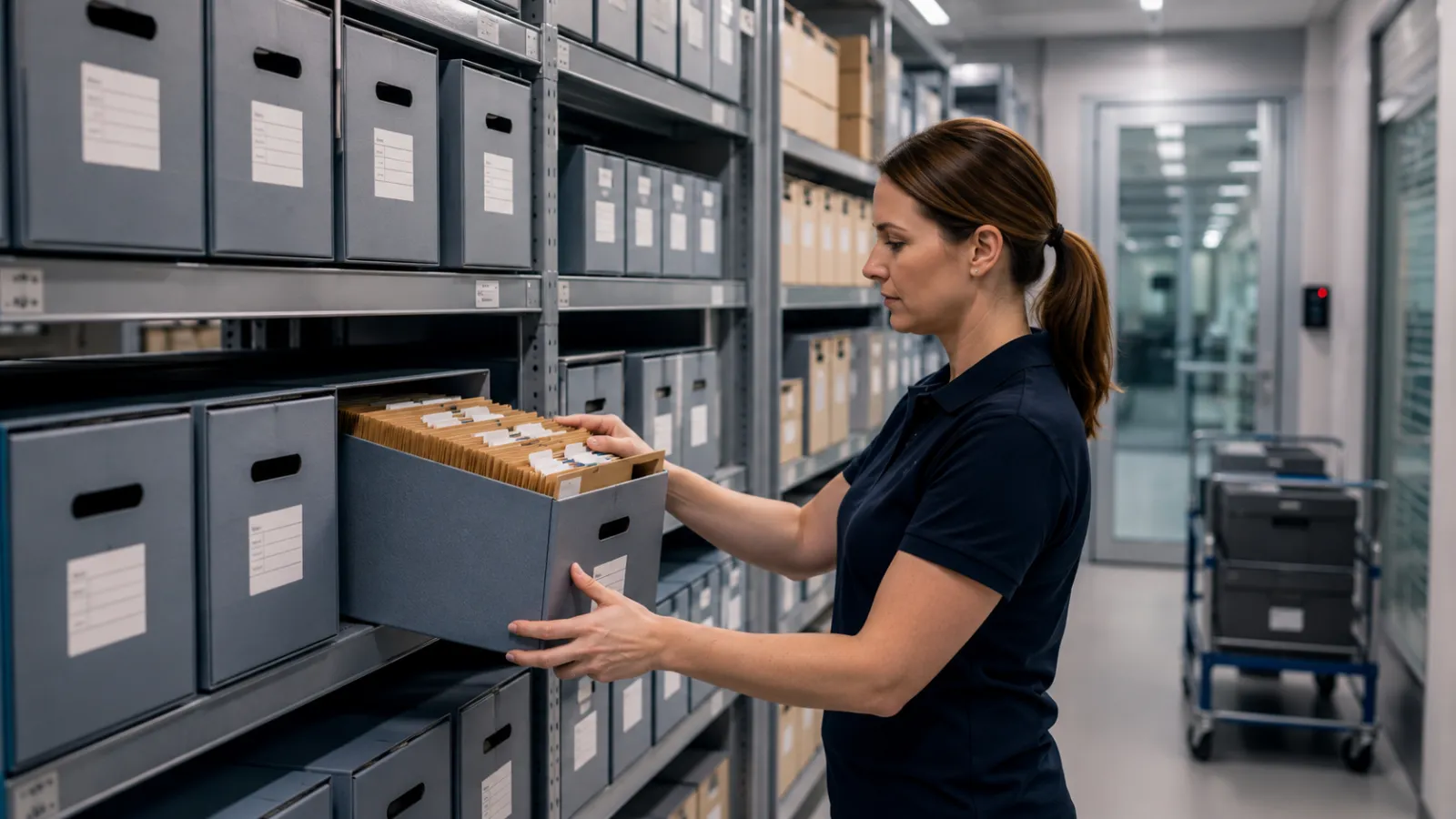
Why Secure Document Storage Still Matters for Business
Read Time:3 Minute, 3 Second
Managing information has become more complex as businesses balance digital systems, paper records and growing compliance obligations. While many organisations are moving toward digital-first workflows, physical files still play a significant role in legal, financial, health and operational recordkeeping. That is why secure storage remains a practical part of modern information management.
For businesses reviewing their records processes, secure document storage can support stronger control over archived files while reducing risks linked to office-based filing. It is not only about saving space. It is about protecting information, improving retrieval and maintaining proper oversight of sensitive records.
Paper records still carry operational value
Even in organisations with advanced digital systems, paper documents often remain part of daily business. Contracts, signed forms, financial records, property files, patient information and HR paperwork may all need to be retained for legal or operational reasons. In some cases, originals must be preserved for defined retention periods.
Keeping these materials in cupboards, storerooms or general office areas can create issues over time. Files may be misplaced, accessed by the wrong people or damaged by environmental conditions. As record volumes grow, office storage also becomes harder to manage consistently.
Security goes beyond a locked cabinet
Many businesses assume that storing files onsite is sufficient if the room is locked. In practice, document security involves much more than a basic physical barrier. Sensitive information should be protected through controlled access, documented handling processes and a clear chain of custody.
A more structured storage environment helps reduce common risks such as unauthorised access, accidental disposal and poor visibility over archived records. This is especially relevant for organisations that handle personal details, legal documentation or commercially sensitive information.
Compliance requirements continue to increase
Australian businesses operate in an environment where privacy, governance and industry-specific obligations shape how records are managed. Different sectors may face separate expectations for retention, confidentiality and secure disposal. Without a clear storage framework, meeting these requirements becomes more difficult.
A secure approach to document storage supports more reliable recordkeeping by helping businesses know what is being held, where it is located and how long it should remain on file. That visibility matters when responding to audits, legal requests or internal reviews.
Better storage can improve efficiency
Security is often the main reason businesses review archival storage, but efficiency is another major factor. When files are stored without clear indexing or retrieval procedures, staff can spend unnecessary time searching for information. This affects productivity and can delay decision-making.
An organised storage system allows records to be retrieved when needed and returned to storage without confusion. It also reduces duplication, which can occur when teams cannot locate existing files and create new versions instead.
Office space should serve current work
Physical file storage can take up a surprising amount of valuable office space. Shelving, cabinets and archive rooms often occupy areas that could be used for workstations, meeting rooms or operational functions. As workplaces evolve, many businesses are reassessing whether storing inactive files onsite is the best use of available space.
Moving archived records into a dedicated storage arrangement allows businesses to free up office areas while still maintaining access to important documents when required.
Storage works best as part of a broader records strategy
Secure document handling is rarely solved by one step alone. The strongest outcomes usually come from combining storage, retention planning, scanning and eventual secure disposal into a broader records management process. This helps businesses manage both current information needs and long-term obligations in a more consistent way.
For organisations that still rely on physical records, secure storage remains a relevant and practical foundation for better information control.

Happy
0 %

Sad
0 %

Excited
0 %

Sleepy
0 %

Angry
0 %

Surprise
0 %
 0
0
 0
0