Choosing the Right Basketball Hoop for Your Space
Read Time:3 Minute, 25 Second
A basketball hoop seems like a simple purchase until you start comparing sizes, mounting styles, and where it will actually live day to day. The right choice depends less on what looks good in a catalogue and more on who will use it, how often, and what your space can safely support. If you are planning a backyard set-up or upgrading a shared play area, it helps to understand the basics before spending money or drilling holes. For a practical reference point on common options, many people start by browsing BASKETBALL HOOPS available in Australia.
Start with who will be playing
A hoop for primary school kids is not always the same as a hoop for teenagers who want a regulation feel. Adjustable-height systems can suit mixed ages, but check how the adjustment works. Some are tool-free and smooth to operate, while others are awkward enough that the height never changes once installed.
Also consider how the hoop will be used. Light shooting and casual games place different demands on the rim, backboard and base compared with frequent, competitive play where players may hang or pull on the ring. Even if dunking is not the goal, a sturdier rim and frame reduces wobble and improves the rebound feel.
Portable, in-ground or wall-mounted
The three main formats each have trade-offs:
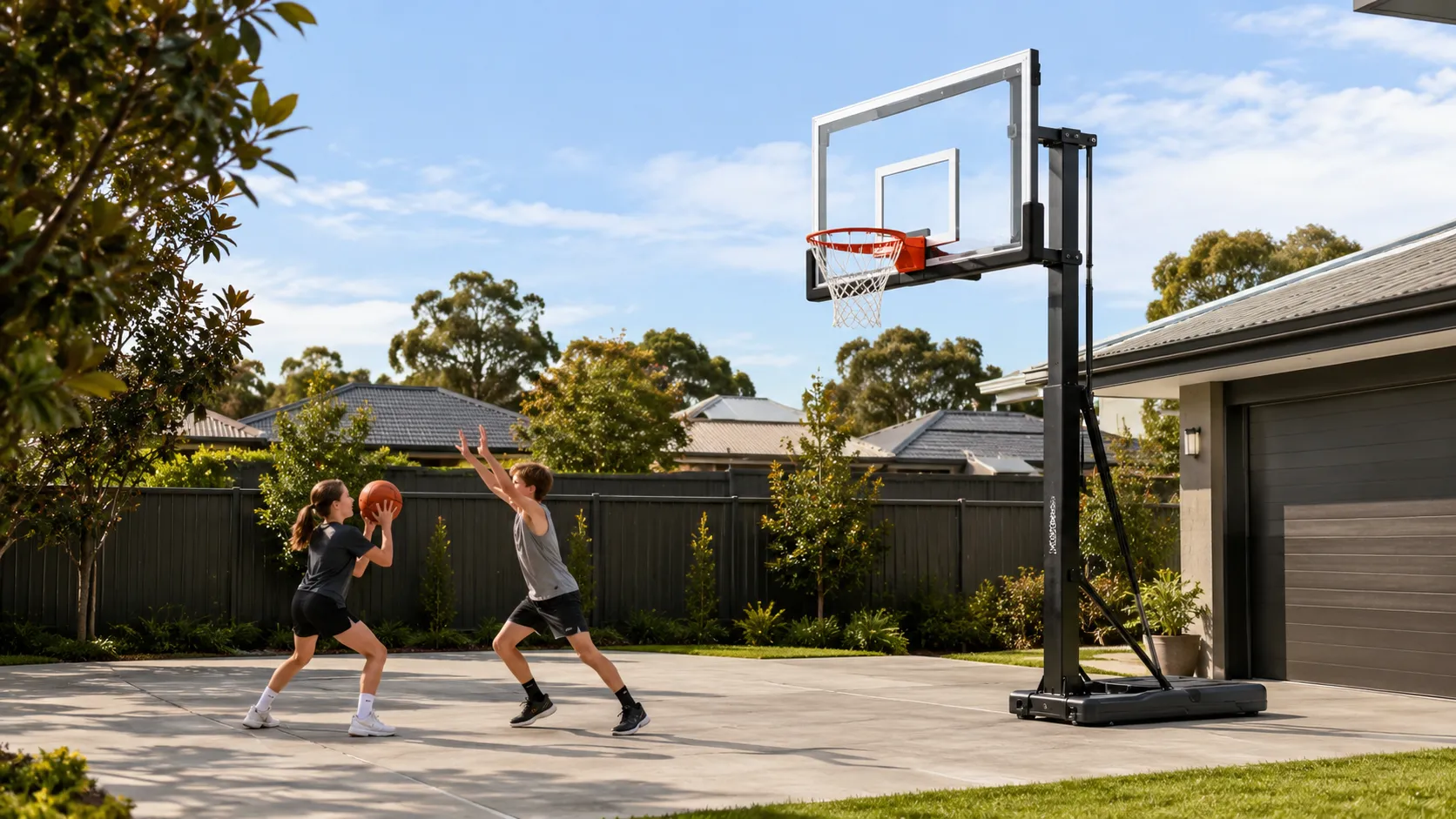
- Portable systems suit renters and families who want flexibility. They usually use a weighted base, which can be filled with sand or water. The downside is that they can shift during play, and the base needs a stable, level surface to reduce tipping risk.
- In-ground systems feel the most solid when installed correctly. They require more effort up front, including digging and setting a post. For long-term use, they tend to provide better stability and a more consistent backboard response.
- Wall-mounted hoops can work well where there is a strong masonry wall or garage structure, but they need careful planning. Mounting height, player clearance and the strength of the fixing points matter. A wall is not automatically “strong enough” without proper anchors and framing.
Backboard size and material basics
Backboards come in materials such as polycarbonate, acrylic and tempered glass. Without getting too technical, the key idea is stiffness and rebound consistency. More rigid backboards generally provide more predictable rebounds, which matters once players start practising bank shots and structured drills.
Size affects playability too. Smaller backboards can be fine for tight spaces, but they limit realistic angles and game-like shots. If you have room, a larger backboard tends to suit more types of play, especially when multiple people are sharing the hoop.
Rim feel and durability
Rims vary from basic fixed designs to spring-loaded breakaway styles. Breakaway rims can reduce stress on the backboard and mount when players pull on the rim. Even if your household has no plans for dunking, a spring mechanism can help protect the system from accidental impacts and rough use.
Look for corrosion resistance as well. In many parts of Australia, UV exposure and weather can degrade plastics and coatings over time. A hoop that sits outdoors year-round should be chosen with that reality in mind.
Safety and placement considerations
Before installation, think about player movement, not just the hoop itself. You want adequate run-off space, especially behind the backboard. Avoid placing the hoop where players might collide with garden edging, fences, parked cars, or outdoor furniture.
If you are using a portable base, keep weight and stability front of mind. A tall system with a lightly filled base can become a hazard in windy conditions or during aggressive play. For any set-up, check that the playing surface is not slippery when wet and that the area is well lit if it will be used after school or in the evening.
A simple checklist for confident decisions
To choose a hoop that fits your reality, match these five factors:
- Primary users and height needs
- Available space and clearance
- Preferred installation type
- Backboard size and rebound feel
- Long-term exposure to weather and wear

Happy
0 %

Sad
0 %

Excited
0 %

Sleepy
0 %

Angry
0 %

Surprise
0 %
 0
0
 0
0