Understanding the Role of Cable Manufacturing in Modern Infrastructure
Read Time:2 Minute, 39 Second
Electrical systems depend on many components working together, but cables sit at the center of nearly every installation. They carry power between equipment, connect systems across buildings, and support communication networks that keep modern infrastructure running. Although cables are often hidden from view, their reliability directly affects how safely and efficiently electrical systems operate.
Because of this, engineers and contractors often work with a trusted cable manufacturing company when sourcing cables for construction, maintenance, and infrastructure projects. Consistent quality and proper specifications help ensure that electrical installations perform as expected once they are in use.
How Electrical Cables Are Manufactured
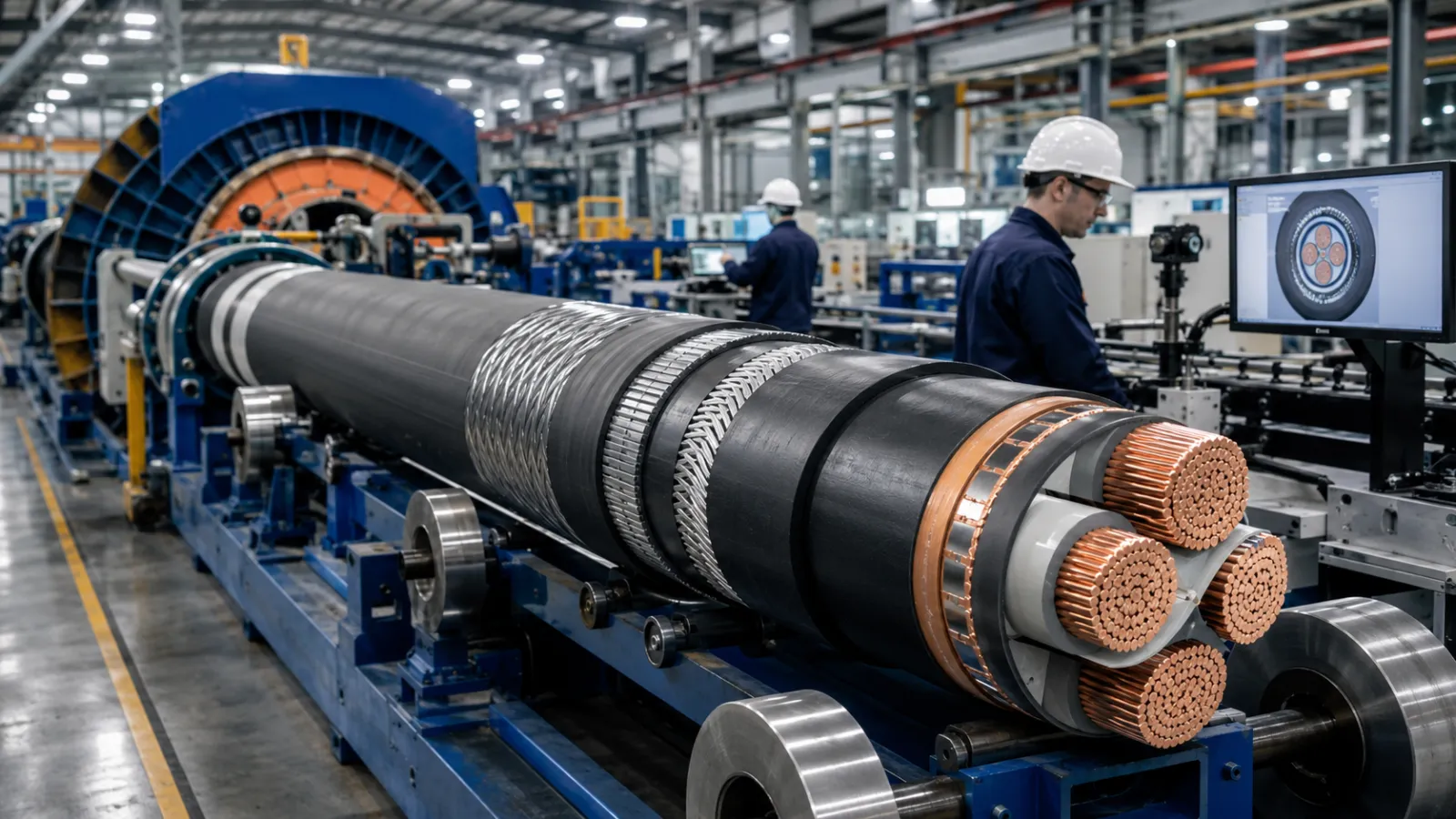
Cable manufacturing is a detailed process that combines engineering design with material precision. Production usually begins with the preparation of conductive metals such as copper or aluminum, which are chosen for their ability to carry electrical current efficiently.
Once the conductor is prepared, insulation layers are applied to protect the cable from electrical leakage and environmental exposure. Additional layers may include shielding, protective jackets, or reinforcement depending on how the cable will be used.
Each stage must be carefully controlled so that the finished cable meets technical requirements and performs reliably once installed.
Why Material Selection Matters
The materials used during cable production play a major role in determining how well the cable performs over time. Conductors must allow electricity to flow efficiently, while insulation materials need to withstand heat, pressure, and environmental conditions.
For example, cables used in outdoor installations may require insulation that resists moisture and temperature changes. Industrial environments may require extra protection against chemicals or mechanical stress.
Choosing the right materials ensures that cables can operate safely under the conditions they are designed for.
Where Electrical Cables Are Used
Electrical cables support a wide range of applications across different industries. In residential and commercial buildings, they distribute electricity to lighting, appliances, and power outlets.
Industrial facilities rely on cables to power machinery, connect control systems, and support automated equipment. Telecommunications networks also depend on specialized cables that transmit signals between systems and devices.
Although these applications vary widely, they all depend on cables that are built to perform reliably under their specific conditions.
Standards and Testing in Cable Production
Before cables are used in electrical installations, they must meet established safety and performance standards. These standards are designed to ensure that cables can handle electrical loads and environmental conditions without failure.
Testing during production may include checks for insulation resistance, conductor durability, and heat tolerance. These tests help confirm that cables meet regulatory requirements and can be safely installed in electrical systems.
Following recognized standards also helps maintain consistency across the industry, which is important for engineers and installers working on complex projects.
Supporting Reliable Electrical Infrastructure
Cables are often installed in places where they remain untouched for many years. They may run behind walls, through underground conduits, or inside machinery. Because replacing them can be difficult and costly, reliability from the start is essential.
When cables are manufactured to proper standards and selected carefully for each application, electrical systems tend to perform more consistently over time. This reliability helps reduce maintenance issues and supports the stable operation of the infrastructure people depend on every day.

Happy
0 %

Sad
0 %

Excited
0 %

Sleepy
0 %

Angry
0 %

Surprise
0 %
 0
0
 0
0