
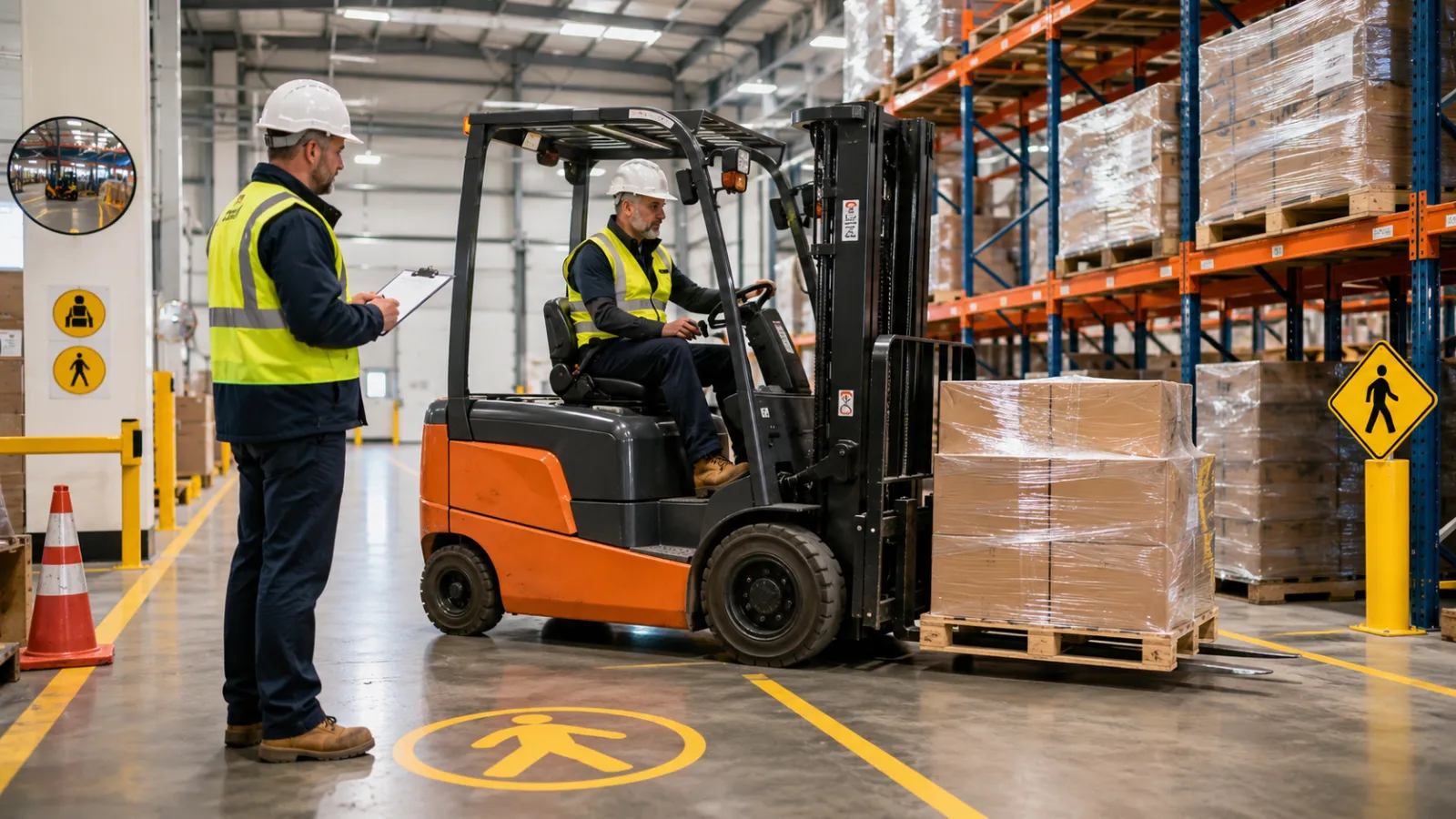
Forklift refresher training in Australia: what to know
Read Time:2 Minute, 52 Second
Forklifts are familiar on Australian worksites, which can make routine tasks feel deceptively low-risk. Over time, even experienced operators can drift into shortcuts, pick up bad habits, or forget site-specific rules that keep people safe. That’s where targeted refresher learning helps. Many workplaces use a structured Forklift (LF) Refresher to rebuild core skills and confirm operators still meet practical expectations.
Why refresher training matters even for experienced operators
Experience is valuable, but it does not automatically equal consistency. Fatigue, production pressure, and changing site layouts can increase risk. Refresher training helps operators re-check foundational controls, including stability, load handling, and pedestrian awareness. It also gives supervisors a clear opportunity to identify skill gaps before they become incidents.
Many incidents involve routine movements: reversing out of aisles, turning with a raised load, or stacking at height. These are precisely the moments where small technique issues add up.
Common triggers that signal it’s time to refresh skills
Workplaces often schedule refreshers after certain events or changes. Typical triggers include:
- A near miss, damage event, or reported unsafe behaviour
- Long gaps in operating time (for example, role changes or extended leave)
- Changes to equipment type, attachments, or operating environment
- New warehouse racking, traffic routes, or mixed pedestrian zones
- Performance concerns raised through observations or audits
Even without a specific trigger, refresher training can be built into periodic safety planning, especially in high-traffic sites.
What a good refresher should cover in practical terms
Refresher training is most effective when it focuses on real work conditions, not just theory. While content varies, strong programs usually revisit:
- Pre-start checks and identifying faults that should stop operation
- Load assessment, load centre awareness, and stability principles
- Safe turning, reversing, and braking techniques
- Operating on ramps, dock areas, and uneven surfaces
- Stacking, de-stacking, and working around racking systems
- Communication methods, including horns, spotters, and hand signals
- Segregation strategies for pedestrians and mobile plant
The goal is to ensure operators can demonstrate safe behaviour consistently, not just recall rules.
High-risk habits that creep in over time
Refresher sessions often uncover patterns that develop gradually, such as:
- Travelling with forks too high because it “saves time”
- Taking corners too fast when unloaded
- Using the forklift to nudge pallets or doors
- Underestimating the impact of uneven floors or small gradients
- Assuming pedestrians will keep clear without active checks
Addressing these habits early reduces the chance of collisions, tip-overs, and dropped loads.
Choosing training that fits your site and your operators
Look for refresher training that includes practical assessment, site-relevant scenarios, and clear feedback. A one-size approach can miss the specific risks of your workplace, such as tight aisles, loading dock pressure, cold-room visibility issues, or mixed traffic zones.
It also helps when training supports different experience levels. Some operators need a confidence reset after time away; others need fine-tuning on advanced manoeuvres or new equipment types.
Simple ways to keep skills sharp between refreshers
Refresher training works best when paired with everyday systems that reinforce safe operation:
- Short toolbox talks focused on one hazard at a time
- Supervisor observation checklists and constructive coaching
- Clear traffic management plans that are kept up to date
- Reporting culture for near misses and small damage events
- Regular maintenance and pre-start compliance checks
Done well, refresher training becomes part of continuous risk control, helping forklift operators stay consistent as sites, schedules, and equipment evolve.

Happy
0 %

Sad
0 %

Excited
0 %

Sleepy
0 %

Angry
0 %

Surprise
0 %
 0
0
 0
0