Roof Inspection Reports Explained: What’s Actually Assessed and Why
Read Time:4 Minute, 21 Second
A roof inspection report is more than a quick look for broken tiles. It’s a documented snapshot of roof condition, risk, and likely failure points, captured with enough detail to support decisions about maintenance, repairs, and sometimes property transactions. The value is in the methodical coverage: inspecting the components that keep water out, move water away, and keep the structure sound.
For owners, buyers, and property managers, professional roof reports sydney are often used to establish a baseline condition and separate minor maintenance from issues that could become costly if ignored. A well-structured report should still make sense even if no one ever “clicks through” to anything else because the findings, photos, and priorities are self-contained.
What a roof report is trying to answer
Most reports are effectively responding to four practical questions:
- Is the roof currently watertight?
- If it isn’t, where is the most likely entry point?
- What components are deteriorating and how quickly?
- What should be fixed now versus monitored?
That focus is why reports usually include both defects and contextual notes, such as access limitations, weather conditions during the inspection, and roof type.
Roof coverings: tiles, metal sheets, membranes, and their weak points
The roof covering is the first line of defence, so it gets close attention.
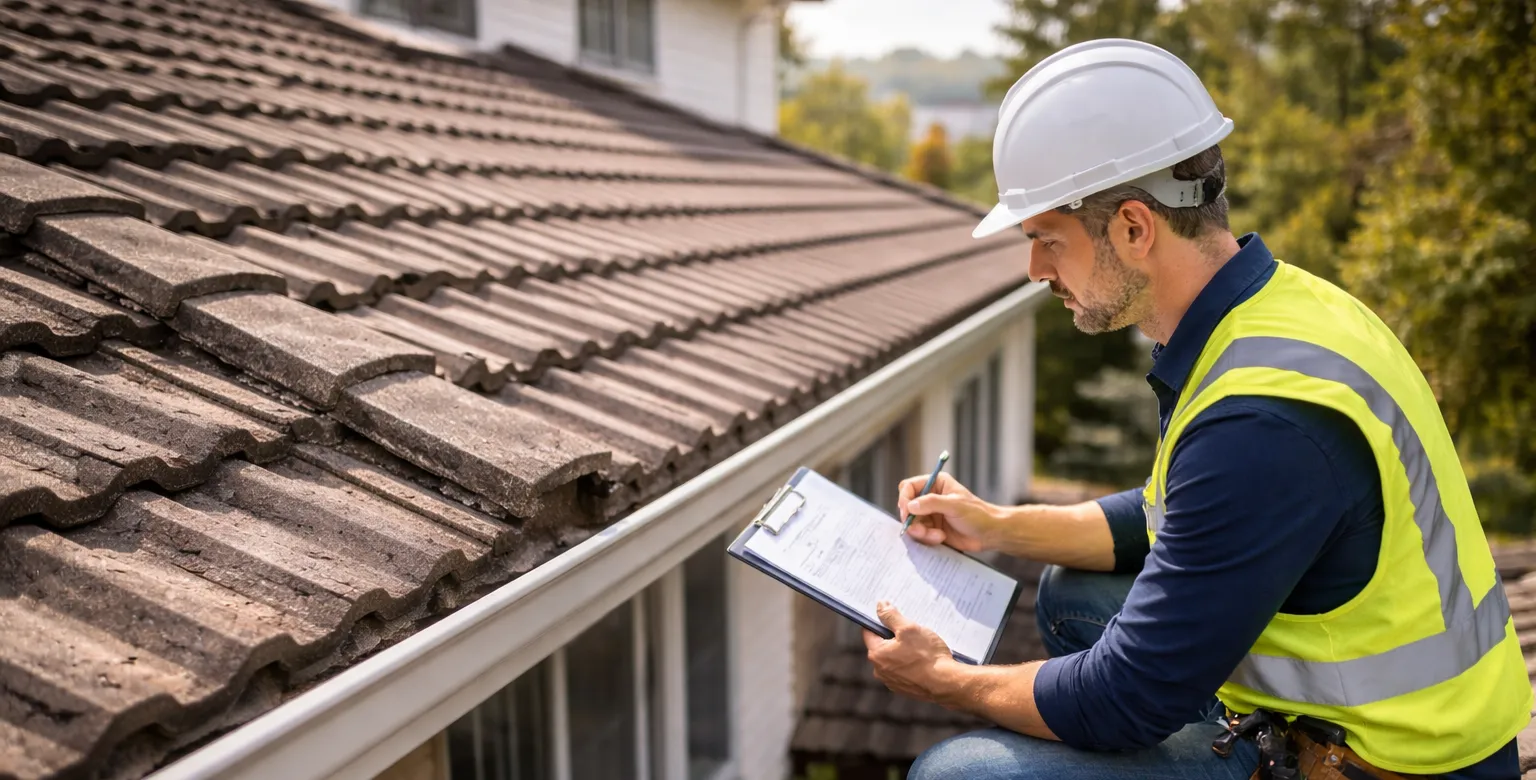
For tile roofs, inspectors typically assess:
- Cracked, slipped, or missing tiles
- Condition of ridge caps and bedding/pointing
- Tile alignment and evidence of movement
- Surface wear that suggests brittleness
For metal roofs, they often look for:
- Corrosion, especially at laps and fixings
- Loose or overdriven screws and deteriorated washers
- Buckling, oil-canning, or impact dents
- Sealant breakdown in vulnerable seams
For flat roofs or membranes, the focus tends to be:
- Blistering, lifting, splits, and punctures
- Termination details at parapets and edges
- Ponding water and fall direction
- Repairs that appear incompatible with the membrane system
The “why” is simple: roof coverings fail at edges, joins, and fixings far more often than across uninterrupted surfaces.
Flashings and penetrations: where most leaks really start
Even a perfect roof covering can leak if the junctions are weak. Flashings and penetrations are among the most scrutinised areas because they combine movement, sealants, and complex geometry.
Common items assessed include:
- Chimneys, skylights, vent pipes, and exhaust penetrations
- Step flashings and apron flashings at wall junctions
- Valley flashings and their condition at overlaps
- Sealants and counter-flashing integrity
Reports often include close-up photos here because tiny gaps, lifted edges, or cracked sealant beads can explain leaks that appear metres away inside the ceiling.
Drainage: gutters, downpipes, valleys, and overflow behaviour
Drainage is the system that prevents “managed water” from becoming “unmanaged water.” A roof may be intact but still cause damage if water backs up.
Inspectors typically assess:
- Gutter alignment, corrosion, joints, and fall
- Blockages, leaf load, and signs of overflow staining
- Downpipe capacity, connections, and discharge points
- Valley cleanliness and whether debris dams are forming
- Overflows and whether water has a safe path during heavy rain
Drainage findings matter because they often indicate repeat risk: overflow tends to happen the same way every storm until something changes.
Roof structure and support: sag, movement, and moisture clues
A report may include observations about the underlying structure, especially where there are signs of movement or water ingress.
Typical checks can involve:
- Visible sagging lines and uneven planes
- Rafter or truss issues that are visible from access points
- Signs of long-term moisture, mould, or staining in roof spaces where accessible
- Evidence of previous repairs that suggest a recurring problem
Even when a roof “looks fine” from outside, structural clues can reveal that water has been present for a long time.
Ventilation and condensation: the problems that mimic leaks
Not every water mark is a roof leak. Condensation can create staining and dampness that appears similar, particularly in cooler months or in homes with limited roof ventilation.
A report may comment on:
- Ventilation provisions (whirlybirds, vents, eave airflow paths)
- Insulation placement and whether it blocks airflow
- Signs of condensation on sarking or timbers
- Bathroom and kitchen exhaust ducting terminations
The reason this is included is practical: repairs aimed at “stopping a leak” won’t solve condensation, and money can be wasted chasing the wrong cause.
How findings are prioritised in a good report
The most useful reports don’t just list defects. They rank them so you can act logically.
A common prioritisation structure looks like:
- Immediate: active leaks, unsafe components, severe corrosion, major dislodgement
- Short term: defects likely to become leaks soon, failing flashings, repeated overflow indicators
- Monitor: early-stage wear, minor cracking, isolated sealant aging
- Maintenance: cleaning gutters, replacing a small number of fixings, minor touch-ups
This gives owners and managers a way to plan budgets and timelines rather than reacting to the next storm.
What to expect as “evidence” in the report
A credible roof report usually includes:
- Photos tied to specific findings
- Notes on inspection method (walked, ladder access, drone, internal roof space access)
- Any limitations (wet roof, restricted roof space, height/access constraints)
- Clear language describing location and extent of issues
If the report makes claims without showing where the issue is or how it was observed, it becomes harder to rely on for decision-making.

Happy
0 %

Sad
0 %

Excited
0 %

Sleepy
0 %

Angry
0 %

Surprise
0 %
 0
0
 0
0