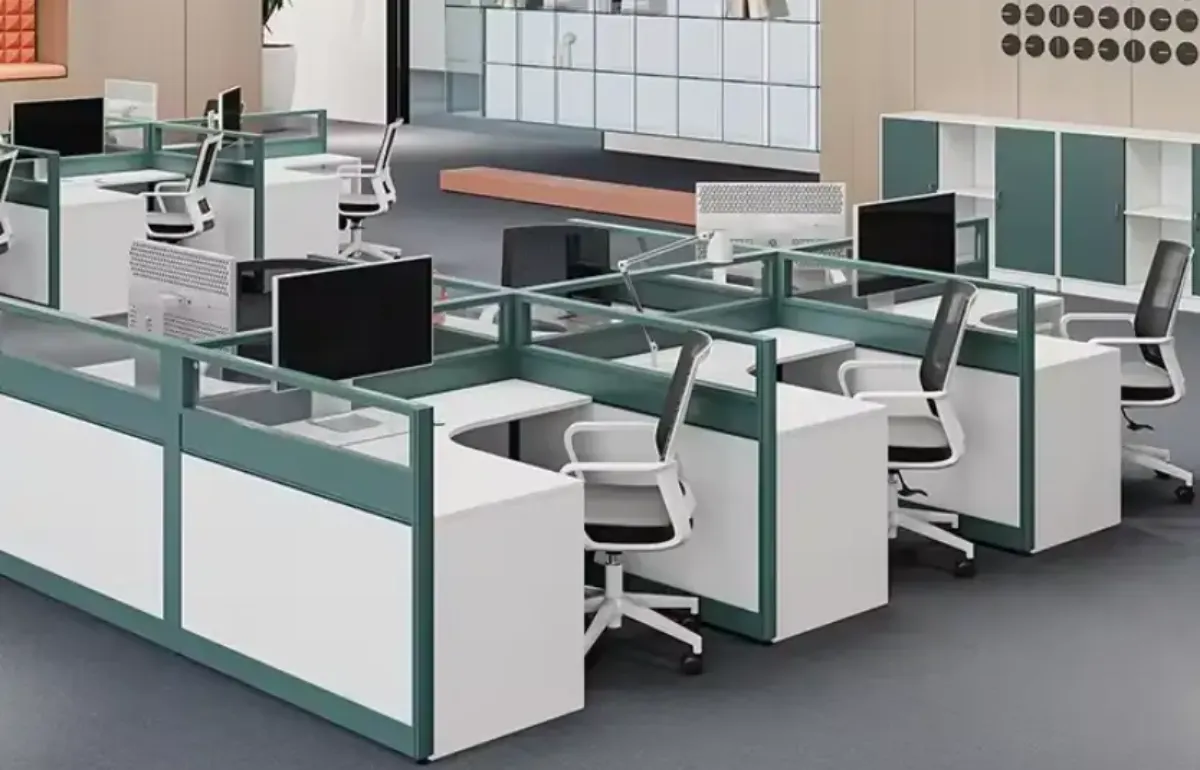
Office Cubicle Furniture: Creating Productive Workspaces
Read Time:7 Minute, 35 Second
In the modern workplace, office cubicle furniture plays a central role in defining the flow, comfort, and productivity of an organisation. While open office layouts once dominated the conversation, the value of well-designed cubicles is being rediscovered. They provide a balance between collaboration and privacy — enabling employees to focus, communicate, and thrive.
Whether you’re outfitting a large corporate space, a call centre, or a small startup office, the right cubicle furniture can elevate both efficiency and aesthetics. This comprehensive guide explores everything you need to know about choosing, designing, and maintaining modern office cubicle furniture.
What Is Office Cubicle Furniture?
Office cubicle furniture refers to modular workstation systems designed to provide individual or semi-private spaces within an open office. These cubicles generally include partition panels, desks, storage units, and ergonomic seating.
Cubicles are often modular — meaning they can be reconfigured or expanded as business needs evolve. Modern cubicle systems go beyond the boxy designs of the past, offering open, collaborative, and stylish setups that reflect contemporary office culture.
Core Components of Cubicle Furniture
- Cubicle Panels and Partitions – Define each workstation’s boundaries while controlling noise and maintaining privacy.
- Work Surfaces and Desks – The main workspace area, designed for comfort, ergonomics, and accessibility.
- Storage Units – Includes file drawers, pedestal cabinets, and overhead bins for efficient organisation.
- Cubicle Chairs – Ergonomic office chairs designed to support long working hours.
- Accessories – Monitor arms, task lighting, cable management systems, and modesty panels.
The Evolution of Office Cubicles
When office cubicles were introduced in the 1960s by designer Robert Propst, the goal was to create a “Action Office” — a flexible workspace that supported productivity and creativity.
However, in later decades, cubicles became associated with cramped, impersonal “cube farms.” Fortunately, modern office design has reimagined cubicles as comfortable, open, and modular environments that promote both collaboration and focus.
Today’s modern office cubicle furniture embraces ergonomic design, sustainable materials, and aesthetic flexibility. Companies now customise their cubicle layouts to reflect brand identity and employee wellbeing.
Benefits of Office Cubicle Furniture
Choosing the right cubicle furniture for offices delivers both functional and psychological benefits for employees.
1. Improved Focus and Productivity
Cubicles reduce noise and visual distractions, allowing employees to concentrate. A semi-private workspace encourages focus without complete isolation.
2. Space Efficiency
Cubicle systems make optimal use of office real estate. Modular panels can fit any layout, whether it’s a large corporate floor or a compact start-up space.
3. Enhanced Collaboration
Unlike closed offices, cubicles allow for quick communication and teamwork. Employees can collaborate easily while still maintaining a sense of personal space.
4. Professional Appearance
Modern cubicle furniture designs project a clean, organised, and professional look — ideal for client visits and internal morale.
5. Flexibility and Scalability
Cubicles can be easily rearranged, expanded, or downsized to accommodate business growth or department changes.
6. Employee Comfort
With ergonomic desks, adjustable seating, and sufficient storage, cubicles ensure employees remain comfortable and efficient throughout the day.
Types of Office Cubicle Furniture
Cubicle systems are available in multiple configurations, each tailored to specific office needs and workflows.
1. Standard Panel-Based Cubicles
Traditional cubicles feature partition walls surrounding a desk. These are ideal for roles that require concentration, such as finance or IT departments.
2. Low-Wall Cubicles
Designed for collaboration, low-wall cubicles maintain an open atmosphere while providing minimal separation.
3. Open-Plan Workstations
Modern offices often use benching systems — long shared desks with minimal partitions — promoting communication and teamwork.
4. L-Shaped and U-Shaped Cubicles
Provide more surface area and storage for multitasking professionals such as designers, analysts, or managers.
5. Sit-Stand Cubicles
Ergonomic cubicle furniture featuring adjustable height desks to encourage movement and improve posture.
6. Collaborative Pods
Clustered workstations designed for team-based environments or project spaces.
Materials and Finishes
When selecting cubicle furniture, the choice of material affects durability, aesthetics, and maintenance.
- Laminate Panels: Cost-effective, easy to clean, and available in various colours.
- Fabric Panels: Offer noise absorption and a softer look.
- Glass Panels: Promote visibility and openness.
- Metal Frames: Provide structural integrity and a modern industrial appeal.
- Wood Veneer: Adds warmth and sophistication to executive spaces.
Modern office cubicle furniture often combines materials — such as fabric and glass — for both privacy and transparency.
Designing Your Office Cubicle Layout
Effective office design requires careful planning. A cubicle layout should balance personal space with team collaboration zones.
Key Considerations:
- Work Flow and Departmental Needs: Group employees by task type or department.
- Lighting and Ventilation: Ensure cubicles don’t block natural light or airflow.
- Accessibility: Leave adequate aisles for movement and ADA compliance.
- Noise Control: Use sound-absorbing panels and flooring to reduce distractions.
- Aesthetic Consistency: Maintain a cohesive design across the office.
A professional space planner can use CAD software to create a layout optimised for efficiency and comfort.
Ergonomics and Comfort in Cubicle Furniture
Ergonomic design is no longer optional — it’s essential. Poor posture and uncomfortable furniture can reduce productivity and increase health risks.
Key Ergonomic Features:
- Adjustable desks and chairs
- Proper monitor height and distance
- Keyboard trays and wrist supports
- Footrests and lumbar support cushions
Modern office cubicle furniture integrates ergonomic principles seamlessly into its design — blending comfort with aesthetics.
Customisation Options
One of the greatest advantages of cubicle furniture is customisation. Businesses can tailor furniture layouts to match branding, workflow, and employee preferences.
Customisation Options Include:
- Choice of colours and finishes
- Branded partition panels
- Integrated cable management
- Modular expansion features
- Built-in storage or lighting
- Adjustable panel heights
A modern office cubicle system is not just a workspace — it’s an extension of company culture.
Sustainability in Cubicle Furniture Design
With sustainability becoming a global priority, many furniture manufacturers are adopting eco-friendly practices.
Look for cubicle furniture that uses:
- Recycled aluminium or steel frames
- Low-VOC paints and adhesives
- Certified wood (FSC)
- Modular components designed for reuse or recycling
Eco-conscious furniture not only supports the planet but also improves indoor air quality and employee wellbeing.
Maintenance and Longevity
Proper maintenance extends the lifespan of your office cubicle furniture.
Tips for Maintenance:
- Clean surfaces regularly with mild cleansers.
- Vacuum fabric panels to remove dust.
- Tighten bolts and connectors annually.
- Replace damaged parts rather than entire systems.
- Use protective mats under chairs.
High-quality cubicle furniture can last 10–15 years with proper care.
Choosing the Right Office Cubicle Furniture Supplier
Selecting a reliable supplier ensures you get durable, ergonomic, and aesthetically pleasing furniture that meets your needs.
Factors to Consider:
- Reputation and Reviews
- Design Consultation Services
- Customisation Capabilities
- Warranty and After-Sales Support
- Sustainability Practices
- Delivery and Installation Services
Partnering with a trusted manufacturer or furniture distributor guarantees smoother installation and long-term satisfaction.
Modern Trends in Office Cubicle Design
Office cubicle furniture continues to evolve with new design trends and technologies.
Top Trends in 2025:
- Hybrid Work Flexibility: Modular systems that adapt for both remote and in-office staff.
- Acoustic Panels: Enhanced soundproofing for open offices.
- Smart Furniture: Desks with integrated charging ports, sensors, and lighting control.
- Biophilic Design: Incorporation of natural elements such as plants and wood textures.
- Colour Psychology: Use of calming hues to reduce stress and boost creativity.
These innovations transform cubicles from static workstations into dynamic, employee-centric environments.
Office Cubicle Furniture vs Open Office Layout
The debate between cubicles and open layouts continues. While open offices encourage communication, they often sacrifice privacy and focus.
Cubicle furniture, on the other hand, provides:
- Defined personal spaces
- Reduced noise levels
- Customisable configurations
- A balance between teamwork and privacy
Many modern workplaces combine both — open areas for collaboration and cubicle zones for deep work.
Cost Considerations and Budget Planning
The cost of office cubicle furniture varies depending on materials, size, and configuration.
Average Cost Breakdown:
- Basic cubicle: $600–$1,000 per station
- Mid-range systems: $1,000–$2,000 per station
- Premium ergonomic setups: $2,000–$3,500 per station
Budgeting should also account for installation, delivery, and potential electrical or IT setup. Investing in quality furniture pays off through longer lifespan and improved productivity.
Practical Tips for Upgrading Your Cubicle Space
- Add LED task lighting for better visibility.
- Integrate power outlets and USB ports into desks.
- Use colour accents to reflect company branding.
- Choose modular furniture for easy reconfiguration.
- Incorporate plants and décor to personalise spaces.
A thoughtful upgrade can significantly boost morale and workflow efficiency.
Future of Office Cubicle Furniture
As hybrid and flexible work models grow, office cubicle furniture will continue evolving. The future lies in adaptive modular systems that balance privacy, collaboration, and mobility.
Expect to see cubicles with soundproof pods, integrated technology, and eco-friendly construction — merging functionality with wellness and sustainability.
Conclusion
Office cubicle furniture is more than just functional workspace equipment — it’s a tool for creating structure, comfort, and productivity in the modern workplace.
Whether you’re designing a new office or upgrading an existing one, invest in cubicle furniture that enhances employee wellbeing, supports collaboration, and aligns with your company’s image.
With the right mix of ergonomics, materials, and aesthetics, your office can become a thriving environment where people work efficiently and feel inspired every day.

Happy
0 %

Sad
0 %

Excited
0 %

Sleepy
0 %

Angry
0 %

Surprise
0 %
 0
0
 0
0