How to Choose the Best Mini Excavator for Farm Work
Read Time:7 Minute, 21 Second
Introduction: The Rise of Compact Machinery in Modern Farming
Across rural Australia, efficiency has become the key to agricultural success. Farmers are constantly seeking machinery that maximises output while minimising labour and fuel costs. In this landscape, the mini excavator has emerged as a game-changer — compact yet powerful, versatile yet easy to maintain.
From digging irrigation channels to installing fence posts and clearing paddocks, a mini excavator can perform a surprising range of farm tasks once handled by multiple machines. But not every model suits every property. Selecting the right mini excavator for farm work requires a careful understanding of your land, workload, and budget.
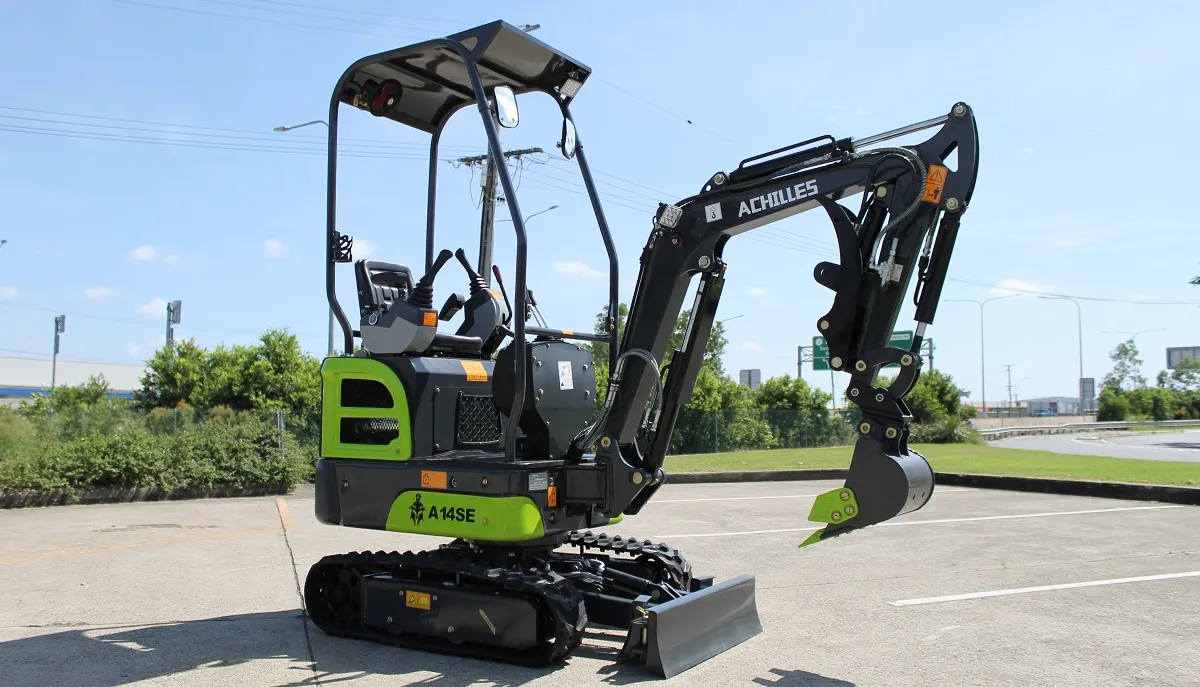
Whether you manage a small hobby farm or a large-scale agricultural operation, this guide will help you evaluate what to look for when buying a mini excavator — and why suppliers like Achilles Machinery have become trusted partners for Australian farmers seeking dependable, purpose-built machines.
1. Understanding Why Farmers Need Mini Excavators
Traditional full-sized excavators are powerful but often impractical for most farm environments. They require heavy transport, large working spaces, and higher fuel consumption. Mini excavators, on the other hand, combine agility with efficiency — ideal for daily farm work.
Key Farm Tasks a Mini Excavator Can Handle
- Irrigation and Drainage: Digging channels or trenches for water pipes or drip lines.
- Fence Installation: Using auger attachments to drill uniform post holes quickly.
- Paddock Maintenance: Clearing fallen trees, moving debris, or levelling terrain.
- Livestock Facilities: Building retaining walls, cleaning ditches, or installing troughs.
- General Landscaping: Creating driveways, grading slopes, and maintaining access tracks.
The flexibility to switch attachments allows one machine to take on multiple roles, reducing the need for additional equipment or hired labour.
2. Assessing Farm Conditions Before Choosing
Every Australian farm is unique — what works in the rich loam of Victoria’s dairy regions may struggle in the rocky soils of Western Australia. Before buying, assess these site-specific factors:
Terrain Type
- Soft soil or pasture: Choose rubber tracks to protect ground surfaces and prevent rutting.
- Rocky or uneven ground: Opt for reinforced steel tracks or heavy-duty rubber with steel inserts.
- Sloped areas: Look for excavators with a low centre of gravity and excellent balance to reduce rollover risk.
Soil Composition
Clay-rich soil demands stronger breakout force and higher hydraulic pressure. Sandy soil requires smooth control to prevent trench walls from collapsing. Matching hydraulic power to soil type ensures efficient digging and reduces wear.
Space Limitations
Many farms involve tight access points, such as sheds, animal pens, or narrow paths between orchards. Compact models with a zero-tail swing and narrow body width (under 1 m) make manoeuvring safer and easier in confined spaces.
3. Choosing the Right Size and Power
Mini excavators typically range from 1 tonne to 6 tonnes, and the choice depends on your intended workload and farm layout.
1 – 2 Tonne Models
Perfect for small farms, hobby holdings, or tasks like trenching for irrigation lines and light landscaping.
- Easy to transport on a trailer behind a ute.
- Lower fuel consumption and operating costs.
- Limited lift capacity but excellent for precision work.
3 – 4 Tonne Models
Balanced choice for mid-sized farms requiring more power for soil removal or small construction projects.
- Stronger hydraulics for augers and grab attachments.
- Still compact enough for tight farm areas.
- Ideal all-rounder for daily operations.
5 – 6 Tonne Models
Suited for large properties or contractors servicing multiple farms.
- High digging depth (up to 4 m) and lifting capability.
- Handles heavy clay or rocky terrain.
- Requires heavier towing vehicle and larger storage space.
Tip: Match machine size to 80 – 90 % of your daily workload, not the largest possible job. Occasional heavy work can be subcontracted, but an oversized excavator wastes fuel and increases operating costs.
4. Hydraulic System and Attachments
The hydraulic system is the beating heart of any excavator. For farm work, versatility comes from a combination of hydraulic performance and compatible attachments.
Hydraulic Flow and Power
Check both main pump flow (L/min) and auxiliary circuit availability.
- A stronger pump provides smoother operation with heavy attachments such as augers or grapples.
- Dual auxiliary lines allow quick switching between attachments without reconfiguring hoses.
- Variable displacement pumps save fuel by adjusting output automatically to load.
Essential Attachments for Farmers
- Auger Drill: Perfect for fencing and foundation holes.
- Ripper Tooth: Breaks through hard ground, roots, or compacted clay.
- Tilt Bucket: Grades soil and shapes drainage slopes.
- Grapple: Lifts logs, hay bales, or debris safely.
- Hydraulic Breaker: Useful for demolishing concrete foundations or rock removal.
When purchasing, confirm that your chosen excavator supports quick-hitch coupling, making attachment swaps faster and safer.
5. Mobility and Transportation
Farmers frequently move between paddocks, which makes transportability a top priority.
Trailer Compatibility
Smaller excavators under 3 tonnes can typically be towed using a trailer package with a standard ute or light truck. Always check:
- Legal towing capacity of your vehicle.
- Correct trailer rating and braking system.
- Proper tie-down points and load distribution.
Ground Mobility
- Track Width: Wider tracks increase stability but may limit access through gates.
- Ground Clearance: Prevents chassis scraping on uneven surfaces.
- Travel Speed: Important when moving across large properties without a trailer.
A compact yet stable undercarriage design offers the best balance between manoeuvrability and traction.
6. Durability and Build Quality
Australian farms expose machinery to intense sunlight, dust, and moisture. Robust construction ensures long-term reliability.
Key Durability Features
- High-tensile steel booms resist stress cracking.
- Sealed pins and bushings minimise contamination from dust.
- Thick steel covers protect hydraulic components.
- Anti-corrosion coating extends life in coastal or humid regions.
Protection for Working Components
Choose models with:
- Top-mounted hydraulic hoses routed away from debris.
- Heavy-duty cooling systems for summer operation.
- Reinforced track rollers for consistent performance on rough terrain.
Buying a well-built excavator means fewer repairs and greater resale value down the track.
7. Operator Comfort and Safety
Farm work often involves long operating hours, so comfort and safety features significantly affect productivity.
Comfort Features
- Ergonomic joystick controls reduce fatigue during repetitive digging.
- Adjustable suspension seating and wide cab visibility enhance precision.
- Low noise levels and vibration-damped cabins improve operator focus.
Safety Essentials
Every machine should comply with Australian safety standards:
- ROPS/FOPS certification (Roll-Over and Falling-Object Protection).
- Emergency stop systems for immediate engine shutoff.
- Hydraulic lockout levers to prevent accidental movement.
- Rear and side mirrors or optional cameras for confined-area operation.
Ensuring a safe working environment protects not only the operator but also livestock and nearby equipment.
8. Maintenance and After-Sales Support
Even the best equipment requires regular maintenance to stay reliable. Consider the long-term service aspects before purchasing.
Ease of Maintenance
Opt for machines with:
- Wide-opening engine hoods for easy access.
- Centralised lubrication points.
- Clearly marked service intervals on digital displays.
Routine checks should include filters, oil, hydraulic fluid, and radiator cleaning.
Service Network and Parts Availability
Before investing, ask:
- Does the supplier stock parts locally?
- Is there a warranty for at least 12 months?
- Can technicians provide on-site repairs if needed?
A responsive dealer network saves time and ensures the excavator remains productive throughout the farming season.
9. Fuel Efficiency and Environmental Impact
Fuel costs represent a major operating expense for farmers. Modern mini excavators feature advanced engines that balance power with economy.
Engine Efficiency
- Look for diesel engines compliant with Tier 3 or Tier 4 Final emission standards.
- Auto-idle and Eco modes reduce fuel consumption during pauses.
- Regular maintenance keeps combustion efficient and prevents carbon buildup.
Sustainable Operation
Some regions encourage low-emission machinery use through rebates or reduced registration fees. Choosing an environmentally friendly machine also lowers the farm’s carbon footprint — an increasingly important factor for modern agribusiness.
10. Budgeting and Total Cost of Ownership
While purchase price matters, it’s the lifetime cost that truly defines value. Consider:
- Fuel consumption per hour.
- Frequency and cost of servicing.
- Attachment compatibility and replacement costs.
- Expected resale value after 5 – 10 years.
A slightly higher initial investment in a well-engineered excavator often results in significantly lower long-term expenses.
Smart Investment for Smarter Farming
Selecting the best mini excavator for farm work is more than a mechanical decision — it’s a strategic investment in productivity and sustainability. The right machine will streamline everyday tasks, reduce labour dependency, and allow farmers to handle diverse projects independently.
When making your choice, prioritise terrain adaptability, hydraulic versatility, transport convenience, durability, and reliable after-sales support. These factors ensure the excavator remains a dependable partner throughout every season.
For Australian farmers seeking durable, field-tested machines designed to thrive in local conditions, Achilles Machinery provides a trusted solution. Its range of mini excavators and trailer packages combine performance, reliability, and practicality — helping every farmer work smarter, faster, and with greater confidence in the years ahead.

Happy
0 %

Sad
0 %

Excited
0 %

Sleepy
0 %

Angry
0 %

Surprise
0 %
 0
0
 0
0