Factory Lighting Upgrades: Efficiency, Safety, and Compliance Considerations
Read Time:4 Minute, 31 Second
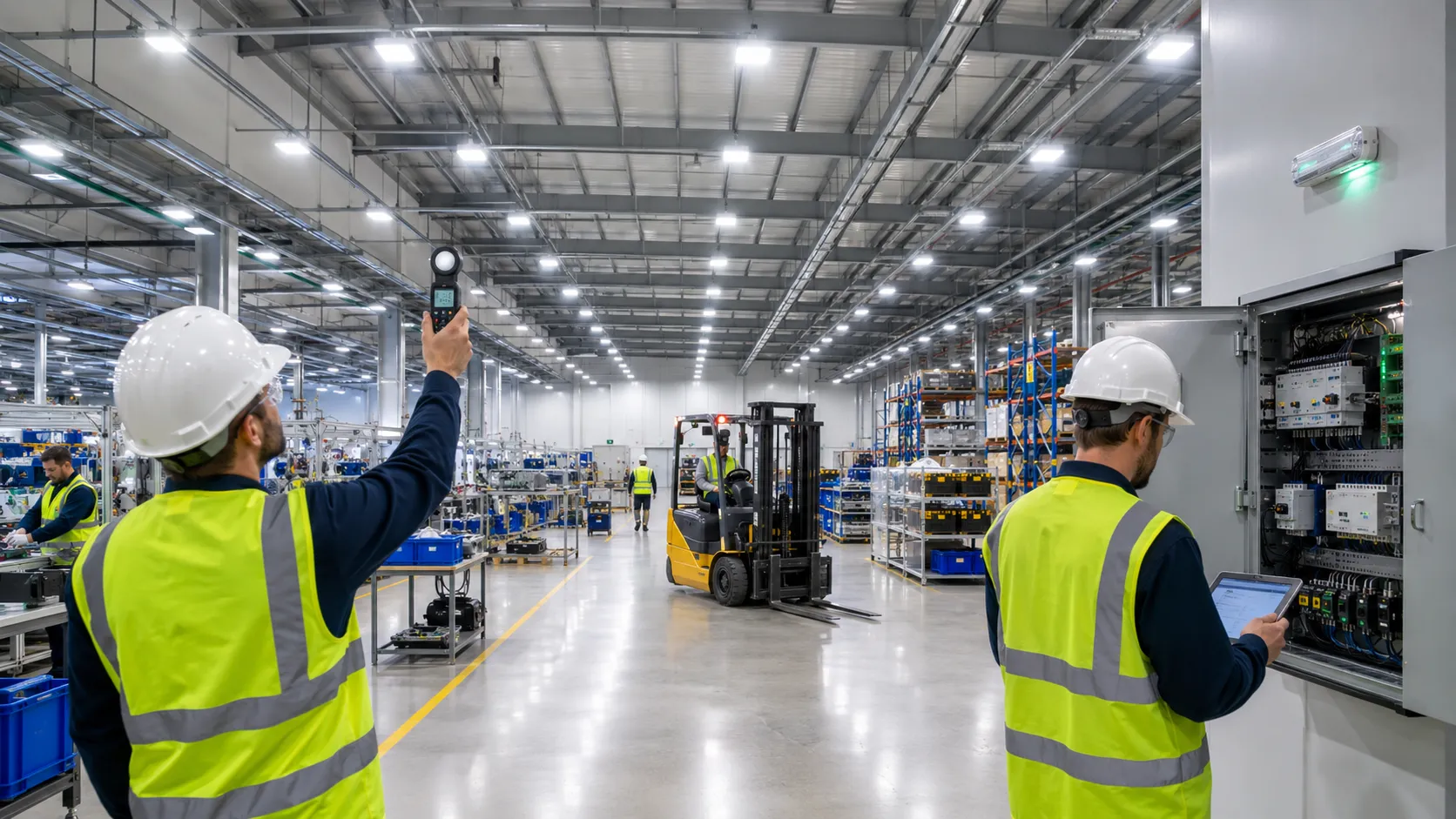
Factory lighting upgrades often start as an energy conversation and quickly become a safety and productivity conversation. Better lighting can reduce errors, improve comfort, and make hazards easier to see, but only if the upgrade is planned around how the space is actually used. The most common problems come from focusing on fixture swaps without considering glare, shadows, maintenance access, emergency lighting requirements, and commissioning.
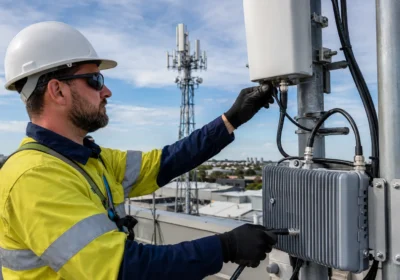
For many sites, the practical work of coordinating shutdown windows, isolations, and compliance documentation falls to teams such as industrial electricians melbourne, especially when upgrades touch switchboards, high-bay circuits, emergency systems, or hazardous areas.
Start With the Real Goal: Visibility Where Work Happens
A good upgrade begins with the tasks being performed. “Brighter” isn’t always better if it creates glare, sharp contrast, or eye strain.
Map lighting needs by zone:
- Production lines and inspection benches (fine detail, consistent levels)
- Forklift aisles and loading areas (uniformity, reduced shadowing)
- Racking and picking zones (vertical illumination to see labels)
- Plant rooms and electrical rooms (safe access and clear identification)
- Amenities and walkways (comfort and wayfinding)
A quick walk-through at different times of day often reveals issues that don’t show up in a daylight tour, like dark corners, flicker, or reflections.
Choose the Right LED Approach: Retrofit vs Replace
Factories commonly consider either LED tubes/retrofit kits or full luminaire replacement. The best choice depends on existing fittings, ceiling height, and how much control you need over optics.
Practical trade-offs:
- Retrofit kits can be faster and cheaper, but may limit beam control and sometimes inherit problems from older housings.
- Full replacements cost more upfront but usually offer better thermal management, lensing, ingress protection options, and longer-term consistency.
For high bays, optics matter. A well-designed distribution reduces “hot spots” directly under fixtures and improves uniformity across aisles.
Glare and Uniformity: The Two Issues That Ruin Good Intentions
Glare is a frequent complaint after LED upgrades, especially in spaces with reflective floors, machinery guards, or stainless surfaces. Uniformity is the other quiet killer: areas may meet average brightness while still leaving workers moving between bright and dim patches.
Ways to reduce both:
- Use appropriate beam angles and mounting heights for high bays
- Consider diffusers or fixtures designed for low glare in visually demanding areas
- Avoid over-lighting small zones while leaving adjacent areas dim
- Pay attention to vertical lighting for faces, signage, and racking
If operators are squinting, turning away from lights, or reporting headaches, the design needs adjustment.
Controls and Sensors: Savings Without Disruption
Controls can deliver large energy savings, but only when they suit workflow. Poorly tuned sensors can annoy staff and encourage people to bypass systems.
Common control options:
- Occupancy sensors for low-traffic areas (storerooms, amenities)
- Daylight harvesting near skylights or roller doors
- Zoning so only active areas are fully lit
- Timers for predictable shutdown periods
In production areas where constant lighting is needed for safety, controls often work best as zoning and scheduling rather than aggressive motion dimming.
Emergency and Exit Lighting: Don’t Treat It as an Afterthought
Emergency lighting is often tied to specific circuit arrangements, testing requirements, and placement rules. An upgrade can accidentally compromise coverage if fittings are moved, outputs change, or old emergency units are removed without a proper plan.
Good practice includes:
- Confirming which fittings are emergency-rated and where they are required
- Ensuring exit signs remain visible from expected approach angles
- Planning for testing access and record keeping
- Verifying battery backup performance after changes
Treat emergency lighting as part of the design, not a bolt-on.
Environmental Conditions: Heat, Dust, Moisture, and Chemicals
Factories can be hard on lighting. Dust and vapour reduce output over time, and some environments require fittings with higher ingress protection or chemical resistance.
Consider:
- Ingress protection appropriate to dust and wash-down areas
- Corrosion resistance where chemicals or salty air are present
- Temperature ratings for hot roof spaces or near ovens
- Vibration resistance near heavy machinery
Matching the fixture to the environment protects both safety and payback calculations.
Maintenance Access and Cleanability
Lighting that’s difficult to service gets neglected. In high-bay installs, the real cost isn’t only the fitting, it’s the access equipment and downtime.
Plan for:
- Group relamping strategy (even though LED lasts longer, drivers and sensors still fail)
- Access paths for scissor lifts or elevated work platforms
- Simple cleaning where dust buildup is expected
- Logical zoning so a single fault doesn’t black out a large work area
A slightly better layout can reduce maintenance complexity for years.
Electrical Capacity, Power Quality, and Commissioning
LED upgrades change load profiles. While total power typically drops, inrush currents, harmonics, or incompatible dimming drivers can create nuisance trips or control issues if not accounted for.
Practical steps:
- Confirm circuit loading and protection settings for new equipment
- Verify compatibility of drivers with existing control gear
- Label circuits and update drawings if layouts change
- Commission the system: test zones, sensors, emergency functions, and light levels
Commissioning is where “it works” becomes “it works reliably.”
Compliance and Documentation to Keep Current
Compliance isn’t just a box to tick. Clear documentation helps with audits, maintenance, and future modifications.
Keep records of:
- Lighting layouts and circuiting changes
- Emergency lighting test schedules and results
- Asset lists and warranty info
- Any commissioning notes and settings (sensor timeouts, dimming levels, zones)
Even basic documentation saves time when something fails or a production area changes.

Happy
0 %

Sad
0 %

Excited
0 %

Sleepy
0 %

Angry
0 %

Surprise
0 %
 0
0
 0
0