
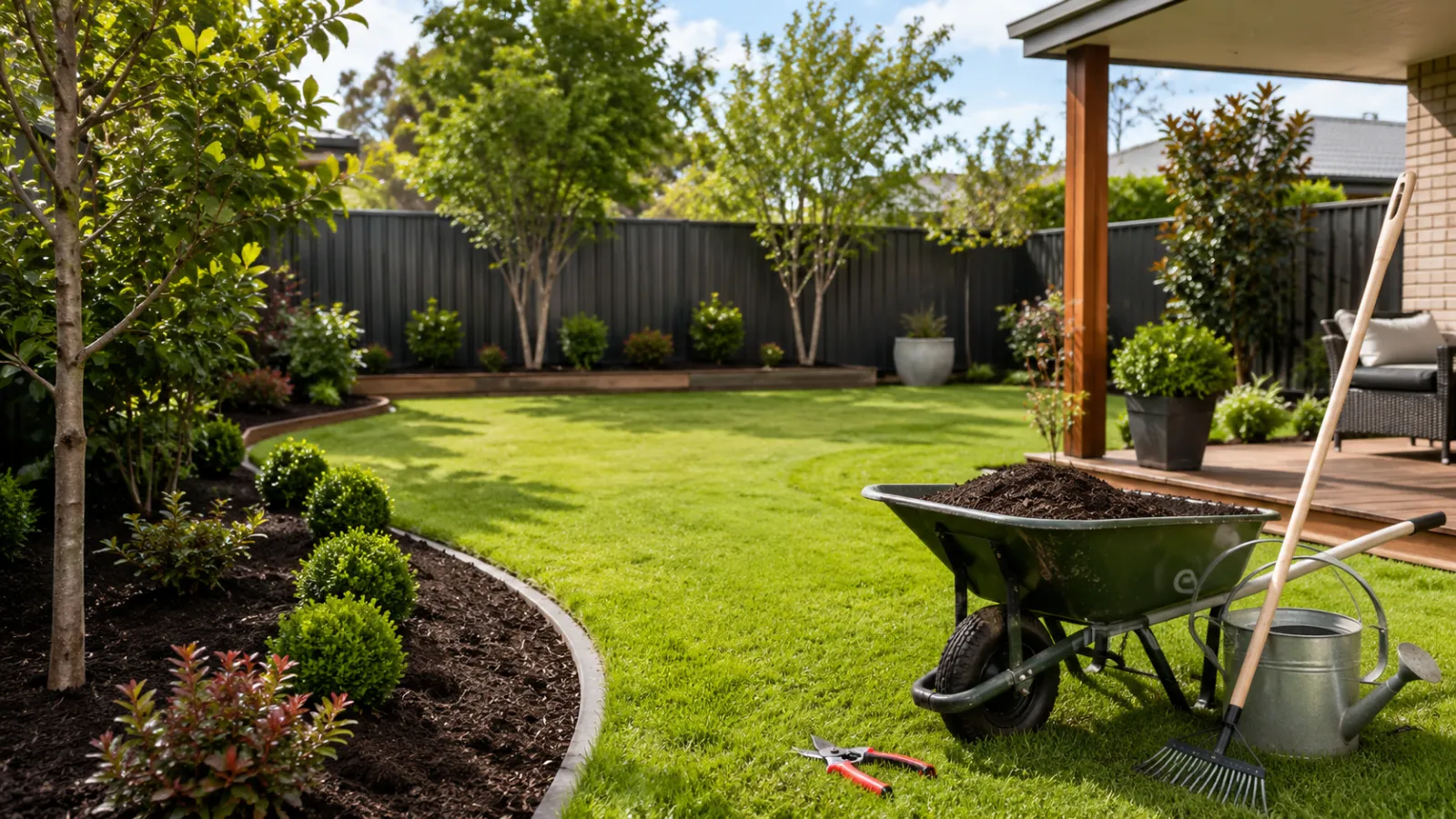
Seasonal Garden Maintenance Checklist for Australian Yards
Read Time:4 Minute, 36 Second
Australian gardens can look effortless when the timing is right. Most problems that feel random like sudden lawn decline, repeat weed blowouts, or shrubs that never flower well are usually tied to doing the right job a few weeks too early or too late. A seasonal checklist helps you stay ahead of growth spurts, heat stress, and winter slowdowns without turning every weekend into catch-up.
If you’re balancing pruning, green waste, and lawn care across the year, comparing what’s typically covered by professional gardening services can also help you sanity-check how much work a healthy garden realistically takes.
Late Summer to Early Autumn: Reset After Heat and Heavy Growth
This is the “repair and tidy” period. Many plants have pushed hard through summer, and lawns may be stressed from heat or inconsistent watering.
Focus on:
- Weed control before seed set. Knock down seed-producing weeds early. Every seed you prevent now is time saved later.
- Light pruning, not hard cuts. Many shrubs are still recovering from heat, so aim for shaping and removing dead material rather than major reduction.
- Soil moisture consistency. Start stretching watering intervals slightly, but avoid dramatic changes that shock roots.
- Lawn recovery basics. Keep mowing regular, raise the mower height a little if the lawn is thin, and patch bare areas before cooler nights slow growth.
Also check drainage after summer storms. If puddles sit for hours, aeration or soil improvement might be the best “maintenance task” you do all year.
Mid to Late Autumn: Feed Roots and Prepare for Cooler Nights
Autumn is prime time for root work. Even if top growth slows, many plants are building roots and storing energy.
Key tasks:
- Mulch refresh. Top up mulch to reduce weeds and buffer temperature swings. Keep mulch a small gap away from trunks and stems to avoid rot.
- Compost or soil conditioner. Spread a thin layer around garden beds to support soil biology through winter.
- Targeted fertilising. Choose gentle, balanced feeding for ornamentals, and avoid pushing soft new growth right before cold snaps in cooler regions.
- Clean up fallen leaves. Leaves are useful in compost, but left piled on lawns they can smother turf and invite fungal issues.
Autumn is also a good time to make notes. If a bed struggled all summer, write down whether it was too hot, too wet, too shady, or too exposed to wind. Those observations make spring planning far easier.
Winter: Structure, Safety, and Smart Tidying
Winter maintenance is less about growth and more about structure. It’s when you can see the framework of trees and shrubs clearly.
Aim for:
- Remove dead, damaged, or crossing branches. This improves airflow and reduces breakage risk.
- Hard pruning where appropriate. Some deciduous plants and certain roses respond well to winter pruning, but timing depends on variety and local climate.
- Tool maintenance. Clean secateurs, sharpen blades, and disinfect tools between plants if disease has been present.
- Frost and wind protection (where needed). Young plants, newly planted hedges, and sensitive tropicals can benefit from wind breaks or temporary covers.
Winter is also a good moment to plan access. If you can’t reach a shrub without trampling a bed, that bed will always look scruffy. Add stepping stones or adjust planting so maintenance is physically easy.
Spring: The High-Growth Season That Rewards Good Timing
Spring is when gardens make their biggest jump, and when a small routine prevents a big mess.
Spring priorities:
- Weed early and often. The first flush sets the tone. Quick weekly weeding beats a monthly blowout.
- Feed strategically. Lawns and many ornamentals respond well now. Use fertiliser amounts that suit your soil and plant needs, not a “more is better” approach.
- Prune after flowering for spring bloomers. If you prune the wrong shrub at the wrong time, you can remove next season’s flowers.
- Check irrigation and hoses. Leaks, uneven coverage, and blocked nozzles become obvious when the weather warms and demand increases.
Spring is also the time to divide crowded perennials and replace plants that never suited the spot. If something repeatedly struggles, it’s often a location mismatch, not a care failure.
Summer: Water Wisdom and Stress Prevention
Summer maintenance is about reducing stress rather than forcing growth. The goal is to keep plants stable through heat, sun, and drying winds.
Keep on top of:
- Deep, less frequent watering. Where possible, encourage deeper roots by watering thoroughly and allowing the top layer to dry slightly between sessions.
- Mulch integrity. A healthy mulch layer can be the difference between a thriving bed and one that bakes.
- Mowing height adjustments. Don’t scalp lawns in heat. A slightly higher cut shades soil and reduces moisture loss.
- Watch for pests and fungal flare-ups. Heat-stressed plants are more vulnerable. Early detection is easier than recovery.
If you go away during summer, set up a simple, reliable watering plan before you leave. Short, daily sprinkles often do less than a couple of deeper sessions, especially for shrubs and trees.
A Simple “Once-a-Season” Walk-Through That Keeps You Ahead
At the start of each season, do a 15-minute lap of the yard with a notebook or your phone:
- What looks crowded or misshapen?
- Where is soil exposed and weedy?
- Which areas look too wet or too dry?
- What is hardest to maintain because of access?
- Which plants are repeating the same problem every year?
Those small observations guide your next few weeks of tasks and stop you from reacting too late.

Happy
0 %

Sad
0 %

Excited
0 %

Sleepy
0 %

Angry
0 %

Surprise
0 %
 0
0
 0
0