Role of a Customs Clearance Agents & Brokers in Global Trade
Read Time:4 Minute, 50 Second
As international trade continues to expand, efficient logistics and compliance are becoming critical to business success. Whether you’re importing electronics, machinery, or perishable goods, getting products across borders smoothly depends on more than shipping schedules; it requires precise knowledge of customs laws, documentation, and tariff codes.
That’s where a customs clearance agent and broker service plays an essential role. Acting as the bridge between businesses and government authorities, customs brokers ensure goods move efficiently through the import and export process while meeting every regulatory requirement.
Understanding the Basics of Customs Clearance
Customs clearance is the process of preparing and submitting documentation required to facilitate goods’ entry into or exit from a country. It involves ensuring shipments comply with import and export regulations, paying duties and taxes, and obtaining necessary approvals before goods are released.
While this might sound straightforward, each country has its own set of laws, classifications, and procedures. Even minor errors in paperwork or coding can cause significant delays, penalties, or confiscation of goods.
A customs clearance agent and broker service ensures that each shipment is properly declared and compliant, saving businesses time, money, and unnecessary stress.
Why Customs Brokers Are Essential
Businesses engaged in international trade often face the challenge of balancing operations with complex customs requirements. Customs brokers act as professional intermediaries who:
- Navigate government regulations and border compliance procedures.
- Prepare and lodge import/export documentation electronically.
- Classify goods under the correct Harmonised Tariff Schedule (HTS) codes.
- Calculate and facilitate payment of customs duties, GST, and other taxes.
- Liaise with authorities to ensure shipments clear inspection without delay.
Their expertise helps importers and exporters avoid common pitfalls that can result in delays or fines.
How the Customs Clearance Process Works
Documentation Preparation Every shipment requires accurate documentation, including invoices, packing lists, bills of lading, and permits. Customs brokers verify that all details such as product descriptions, quantities, and country of origin align perfectly.
Classification and Valuation Goods must be classified according to international tariff codes, which determine applicable duties and taxes. Misclassification can lead to overpayment or legal issues, making this a critical step.
Duty and Tax Calculation Customs brokers calculate payable taxes, applying exemptions or preferential trade agreements (such as those under the Australia-New Zealand Closer Economic Relations Trade Agreement).
Lodgement and Clearance Using electronic systems, brokers lodge declarations with the Australian Border Force and coordinate with quarantine and biosecurity officers when necessary.
Final Delivery Coordination Once cleared, the goods are released for domestic transport ensuring they reach the destination without delay.
Each step demands precision, compliance knowledge, and time-sensitive coordination.
Benefits of Using a Professional Customs Clearance Service
Time Efficiency
Navigating customs paperwork takes expertise and experience. A broker’s established processes streamline the clearance cycle, preventing hold-ups that can stall supply chains.
Cost Savings
Incorrect documentation or duty miscalculations can result in overpayments or penalties. Professionals minimise these risks through accurate submissions and tariff optimisation.
Risk Management
Brokers keep up to date with evolving regulations, ensuring ongoing compliance with import restrictions, biosecurity rules, and product safety standards.
Improved Transparency
Through modern tracking and digital platforms, businesses gain visibility over their shipments and clearance timelines.
Peace of Mind
With a professional overseeing the process, importers can focus on operations, knowing their goods are being handled lawfully and efficiently.
The Importance of Compliance in Australian Trade
Australia maintains strict biosecurity and customs controls to protect its economy and environment. Even a small oversight such as incomplete permits or undeclared items can lead to shipment seizures or costly fines.
A customs clearance agent and broker service ensures compliance with:
- The Customs Act 1901
- The Biosecurity Act 2015
- Free trade agreements such as AANZFTA and ChAFTA
- GST and excise regulations
By maintaining meticulous documentation and transparent communication with authorities, brokers safeguard businesses from legal complications.
Technology’s Role in Modern Customs Brokerage
Digital transformation has made customs processes faster and more transparent. Modern brokerage services use advanced software for:
- Electronic Data Interchange (EDI): Real-time communication with customs systems.
- Automated tariff classification: Ensuring accuracy and compliance.
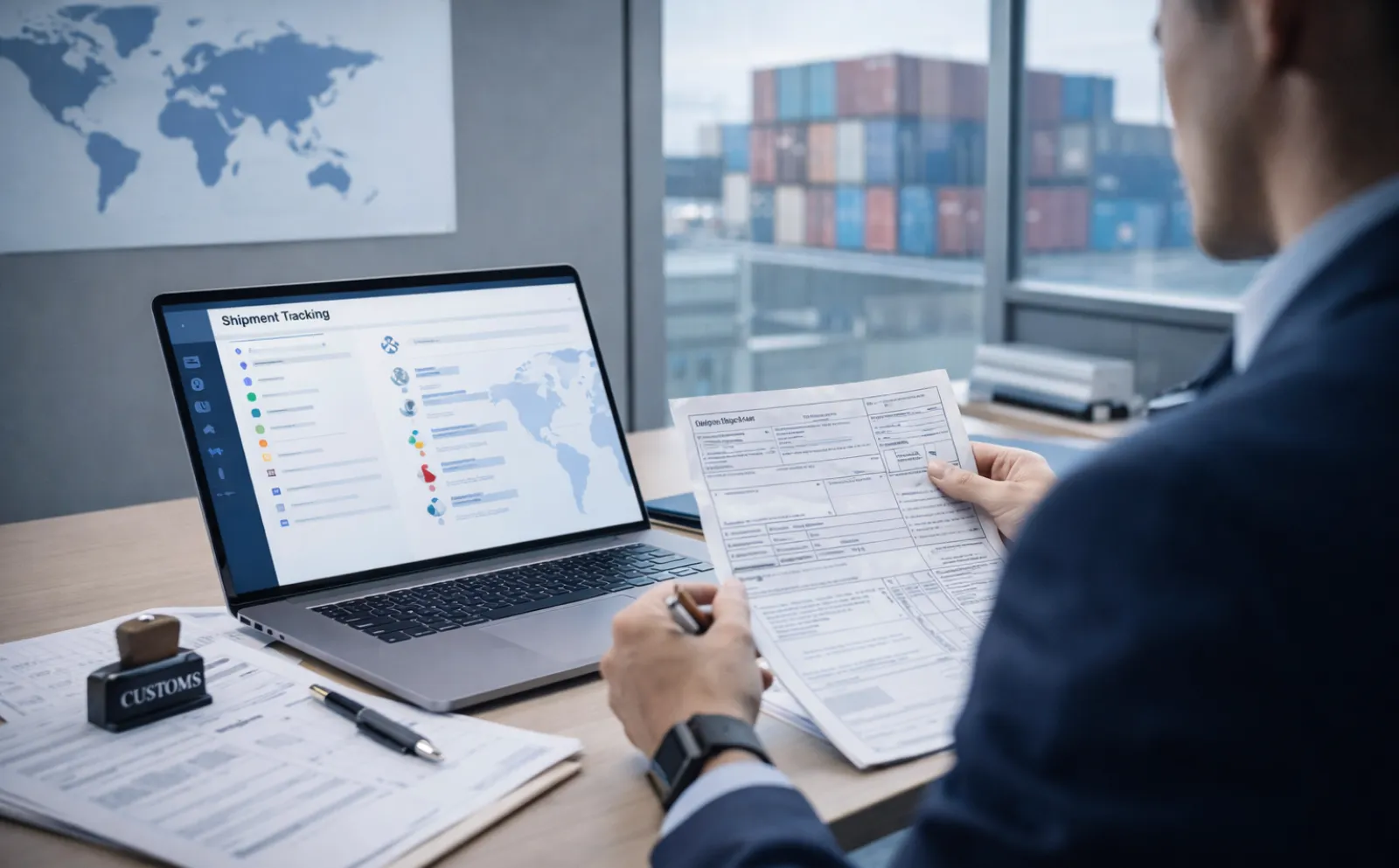
- Shipment tracking dashboards: Offering visibility from origin to destination.
- Secure digital archiving: Maintaining records for audits and accountability.
Technology enhances efficiency while reducing the potential for human error, a key advantage for high-volume importers.
Selecting the Right Customs Broker
Choosing the right broker is crucial for ensuring smooth operations. When evaluating a customs clearance agent and broker service, consider the following:
- Experience in your industry: Some sectors, such as automotive, pharmaceuticals, and agriculture, have specific regulatory requirements.
- Licensing and accreditation: In Australia, brokers must be licensed by the Australian Border Force.
- Network and partnerships: Connections with freight forwarders and carriers enhance logistics coordination.
- Communication and responsiveness: A good broker provides updates and support throughout the process.
- Technology and transparency: Modern systems make compliance and cost tracking easier.
The right partner will act as an extension of your team ensuring compliance, speed, and reliability in every shipment.
Common Mistakes Importers Should Avoid
Even experienced importers occasionally face customs challenges. Some common mistakes include:
- Misclassifying goods under incorrect tariff codes.
- Declaring inaccurate values or missing documentation.
- Failing to obtain import permits or quarantine clearances.
- Ignoring updates to trade laws or duty changes.
Working with a qualified customs broker reduces these risks significantly, ensuring each import or export meets the latest regulations.
Conclusion
Global trade thrives on precision, trust, and compliance. As supply chains become more complex and regulations evolve, businesses need expertise that keeps their goods moving smoothly.
A professional customs clearance agent and broker service ensures every shipment meets legal standards, avoids costly delays, and supports sustainable trade growth.
By combining technical knowledge, industry experience, and efficient systems, customs brokers play an indispensable role in connecting Australian businesses to the world, helping global commerce flow seamlessly, one shipment at a time.

Happy
0 %

Sad
0 %

Excited
0 %

Sleepy
0 %

Angry
0 %

Surprise
0 %
 0
0
 0
0