Plastic pallets in Australia: what to check before you buy
Read Time:3 Minute, 58 Second
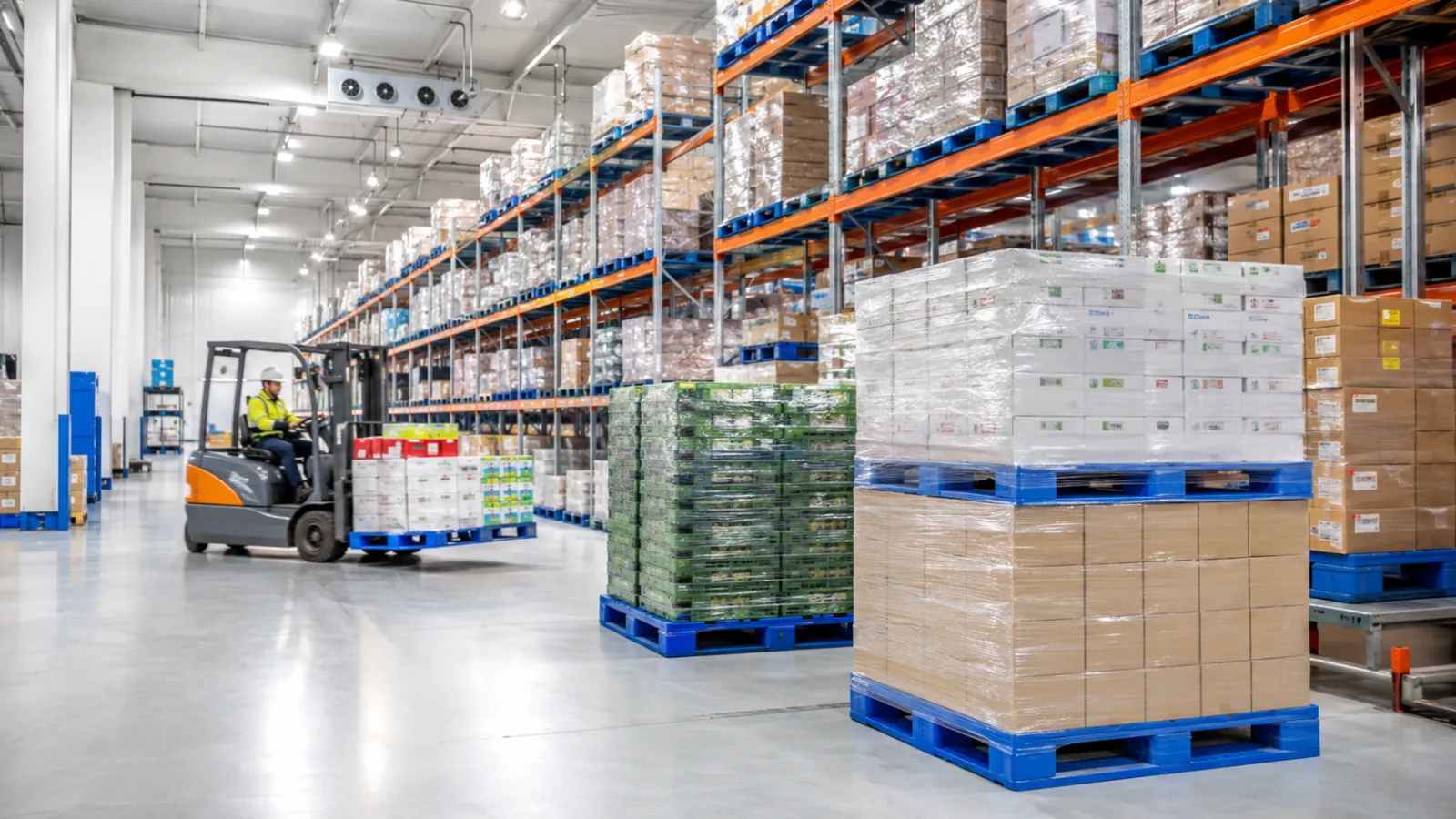
In warehouses, food facilities and export supply chains, pallets are easy to overlook until something goes wrong. Breakages, hygiene issues, inconsistent sizes and handling damage can all create costs that don’t show up on a purchase order. If you’re reviewing pallets for a new site, switching from timber, or standardising across locations, it helps to know what matters in Australian conditions and compliance settings. For teams comparing options, High quality plastic pallets are often assessed for durability, cleanability and repeatable performance across different handling environments.
Why many Australian sites move from timber to plastic
Timber pallets are widely available and familiar, but they can splinter, absorb moisture and vary in weight and dimensions. Plastic pallets tend to be more consistent, which helps when you’re dealing with automated systems, racking, or repeated use. They’re also easier to wash and dry, which is relevant for food processing, pharmaceuticals, healthcare supply, hospitality distribution and other hygiene-sensitive contexts.
Plastic also reduces the risk of embedded pests and can be simpler to manage for export scenarios where packaging controls apply. That said, not every operation needs plastic, and not every plastic pallet suits every workflow.
Start with the handling environment, not the catalogue
Before comparing models, map where pallets actually go:
- Storage: floor stacking, selective racking, drive-in racking, mobile racking
- Movement: forklifts, pallet jacks, conveyors, AGVs and dock handling
- Exposure: cold rooms, freezers, outdoor yards, wet areas, chemicals, UV
- Turnover: one-way shipments vs closed-loop reuse
A pallet that performs well on a clean warehouse floor may behave differently on uneven yards or in constant freezer use. In practice, the “best” pallet is the one matched to your site conditions, not the highest spec on paper.
Understanding load ratings and what they really mean
Load capacity is one of the most misunderstood specs. Suppliers may quote multiple ratings, commonly including:
- Static load: weight when the pallet is not moving (for stacked storage)
- Dynamic load: weight when the pallet is being moved by a forklift or pallet jack
- Racking load: weight when the pallet is supported on rack beams
Racking capacity often becomes the critical number, especially in high-bay or narrow-aisle warehouses. If your operation uses racking, confirm the pallet is designed for it and whether reinforcement (like internal steel) is required. Also consider real-world factors like off-centre loads, shrink-wrap tension and product overhang.
Hygiene, washdown and contamination risk
For sites that wash pallets, design details matter. Look for:
- Smooth surfaces and rounded edges that reduce trap points
- Closed vs open decks: closed decks are easier to clean; open decks drain better
- Water retention: cavities can hold water and delay drying
- Material suitability: some polymers handle chemicals and temperature swings better than others
If pallets move between food and non-food areas, or between sites, having a clear cleaning protocol and pallet identification system can reduce cross-contamination risk and simplify audits.
Dimensions, entry points and compatibility with equipment
In Australia, pallet dimensions vary by industry and transport lane. Common footprints include 1165×1165 and 1200×1000, but your best choice depends on container optimisation, warehouse racking and customer requirements.
Check these practical elements:
- Forklift entry: 2-way vs 4-way entry affects handling speed and traffic flow
- Pallet jack clearance: low-profile pallets can snag on uneven floors
- Conveyor suitability: consistent runners and underside design are essential
- Weight: lighter pallets reduce manual strain and freight mass, but must still meet durability needs
If you use automation or conveyors, ask for performance evidence or trials. Small design differences can create jams, tracking issues or sensor errors.
One-way, reusable and pooling: choose the right lifecycle
A useful way to decide is to match pallet type to movement patterns:
- One-way distribution: lower-cost pallets can suit outbound shipments where returns aren’t practical
- Closed-loop reuse: stronger pallets can reduce replacements and handling damage over time
- Pooling systems: compatibility and asset tracking become key if pallets circulate across partners
For closed-loop use, consider how you’ll manage loss, damage and repair. Plastic pallets can still be damaged by incorrect fork entry, high drops or point loads, so training and handling standards remain important.
Total cost: what to include beyond purchase price
A cheaper pallet can cost more if it increases product damage, warehouse incidents or replacement rates. When comparing options, build a simple total-cost view:
- Replacement frequency and failure rates
- Cleaning time, water use and drying time (if applicable)
- Damage to goods from splinters, nails or deck deflection
- Handling efficiency (time to move, stability, fewer reworks)
- Disposal or recycling pathways at end-of-life
Even a basic 12–24 month comparison can highlight whether higher upfront cost is offset by fewer breakages and lower operational friction.

Happy
0 %

Sad
0 %

Excited
0 %

Sleepy
0 %

Angry
0 %

Surprise
0 %
 0
0
 0
0