Laser Treatments 101: What They Can (and Can’t) Do for Skin
Read Time:4 Minute, 5 Second
Laser treatments can be genuinely helpful for certain skin concerns, but they are not a single “magic” solution. Different devices target different problems, and results depend on skin type, the issue being treated, and how well you follow preparation and aftercare.
If you are trying to understand what’s realistic, it can help to look at how clinics group services under broad categories like laser treatments so you can match a concern (hair, pigment, redness, texture) to the right type of technology.
What lasers actually target
Most laser and light-based treatments work by aiming energy at a specific “target” in the skin, then letting the body clear or remodel what was affected. The main targets include:
- Melanin (pigment) for unwanted hair and some brown spots
- Hemoglobin (blood) for visible vessels and redness
- Water in the skin for resurfacing and collagen remodeling
Because different concerns involve different targets, the right treatment for sunspots may be totally wrong for melasma, and a laser that is great for hair may do nothing for acne scars.
What laser treatments can improve
Lasers tend to do best when the goal is clear and measurable. Common areas where people see meaningful improvement include:
Hair reductionLaser hair removal targets pigment in the hair follicle. It often works best on darker hair and can significantly reduce regrowth over a series of sessions. “Permanent hair removal” is not a perfect phrase, but long-term reduction is a realistic aim for many people.
Sun spots and some forms of pigmentationCertain brown spots caused by sun exposure can respond well when the pigment is superficial. These spots may darken briefly and then lift or fade as skin renews.
Redness and visible vesselsSome laser and light devices target hemoglobin, helping reduce the look of broken capillaries or persistent redness in suitable candidates.
Texture, fine lines, and some acne scarringResurfacing lasers and fractional treatments can encourage collagen remodeling. Results are usually gradual and depend on scar type, depth, and downtime you can tolerate.
What laser treatments can’t do (or don’t do well)
It’s just as important to know the limitations, because unrealistic expectations are a major cause of disappointment.
They can’t replace surgical resultsLasers can improve laxity or fine lines modestly, but they won’t match the change from a facelift, blepharoplasty, or other surgical procedures.
They usually can’t “erase” deep scars or large poresTexture can improve, sometimes dramatically, but deep pitted acne scars and the appearance of pores often need combination approaches and multiple rounds.
They can’t override ongoing triggersIf pigmentation is being fueled by sun exposure, hormones, heat, or certain skincare products, lasers alone may not hold the result.
They’re not one-size-fits-all for darker skin tonesHigher melanin levels can increase the risk of post-inflammatory hyperpigmentation if the wrong device or settings are used. This doesn’t mean laser is off-limits, but it does mean device choice and clinician experience matter.
Common treatment categories, in plain language
Not every clinic labels devices the same way, but most options fit into a few buckets:
- Hair reduction lasers or IPL: aimed at melanin in hair
- Pigment-focused lasers: aimed at superficial brown pigment
- Vascular lasers: aimed at redness and vessels
- Resurfacing or fractional lasers: aimed at improving texture through controlled injury and remodeling
Knowing the category helps you ask better questions, such as “Is this treating pigment, redness, or texture?” rather than “Is this the best laser?”
What the appointment and recovery usually feel like
Experiences vary, but many people describe:
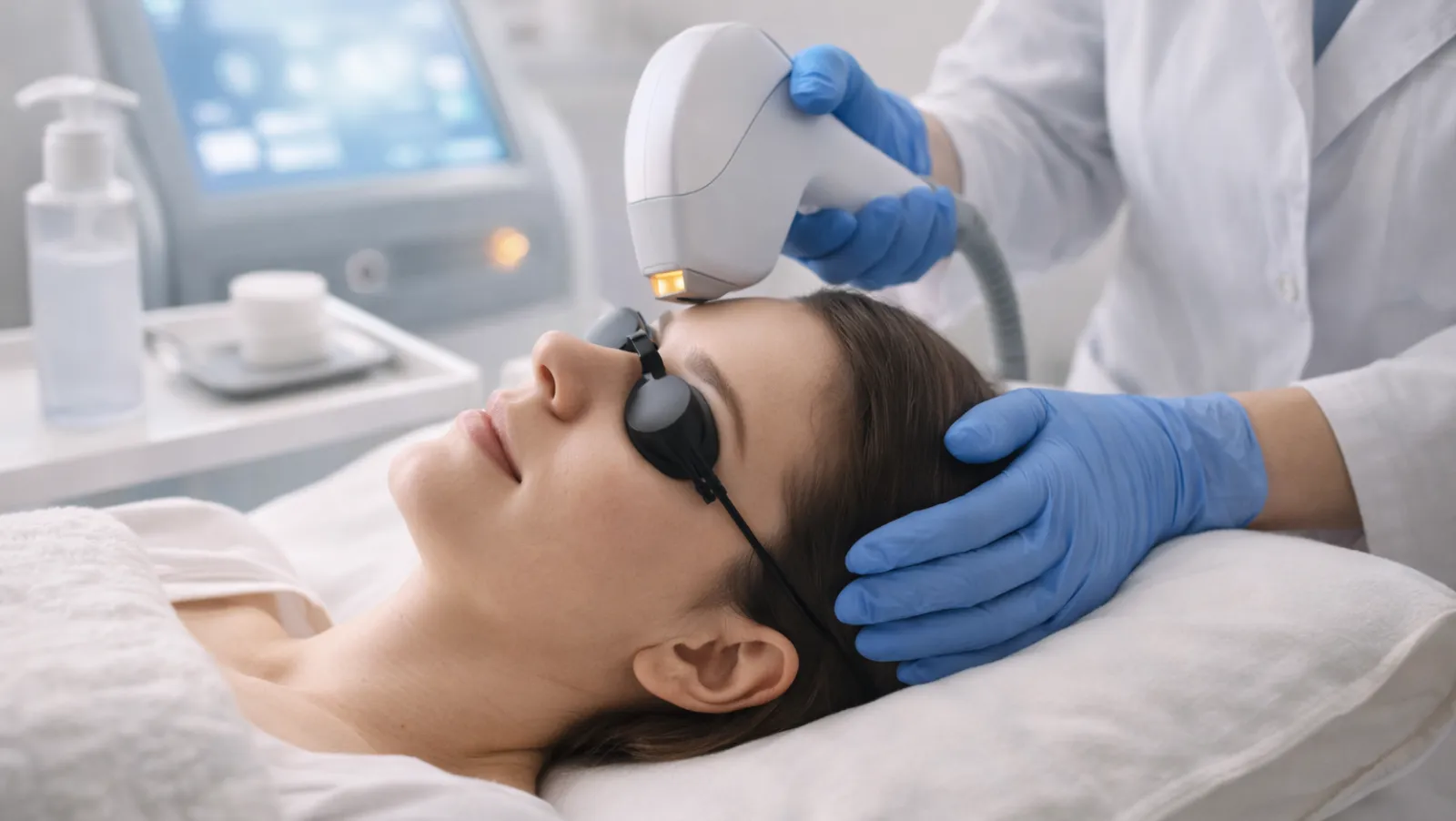
- During treatment: warmth, snapping sensation, or prickling, especially for hair removal
- Right after: redness, mild swelling, a sunburn-like feeling
- Over the next days: dryness, flaking, or temporary darkening of pigment (for some pigment treatments)
Resurfacing treatments can involve more downtime, including several days of redness and sensitivity. Hair reduction sessions often have minimal downtime but require strict sun avoidance to reduce pigment risks.
Safety basics that reduce risk
Good results are not only about the machine. They also come from screening, preparation, and aftercare.
Key safety practices include:
- A suitability consult and patch test when appropriate
- Avoiding sun exposure and fake tan before and after treatment
- Pausing irritating actives (like retinoids or strong acids) if advised
- Following aftercare: cooling, gentle cleansing, and daily SPF
If you are prone to pigmentation, have a history of melasma, or take medications that affect skin sensitivity, bring that up early. Many side effects can be reduced with the right plan.
How to know if laser is worth it for your concern
Laser tends to be “worth it” when:
- the target is clear (hair, certain pigment, redness, texture)
- you can commit to a series of sessions
- you can follow strict sun protection
- you accept improvement rather than perfection
A realistic mindset is that laser treatments often shift skin in the right direction, then maintenance and skincare habits keep the gains.

Happy
0 %

Sad
0 %

Excited
0 %

Sleepy
0 %

Angry
0 %

Surprise
0 %
 0
0
 0
0