API Integration for Live Dealer, Slots, and Sportsbook Platforms
Read Time:6 Minute, 33 Second
Behind every seamless bet, card flip, and spinning reel, there’s one invisible hero — API integration. It’s what lets you jump from a live blackjack table to a slot game and then check your sports bets, all without losing balance or connection.
The iGaming world has exploded since 2018, with global revenue reaching $107 billion in 2024, according to Statista. But as platforms expanded, so did complexity. APIs became the glue holding everything together — especially in live dealer, slot, and sportsbook systems.
Understanding the Core of API Integration in iGaming
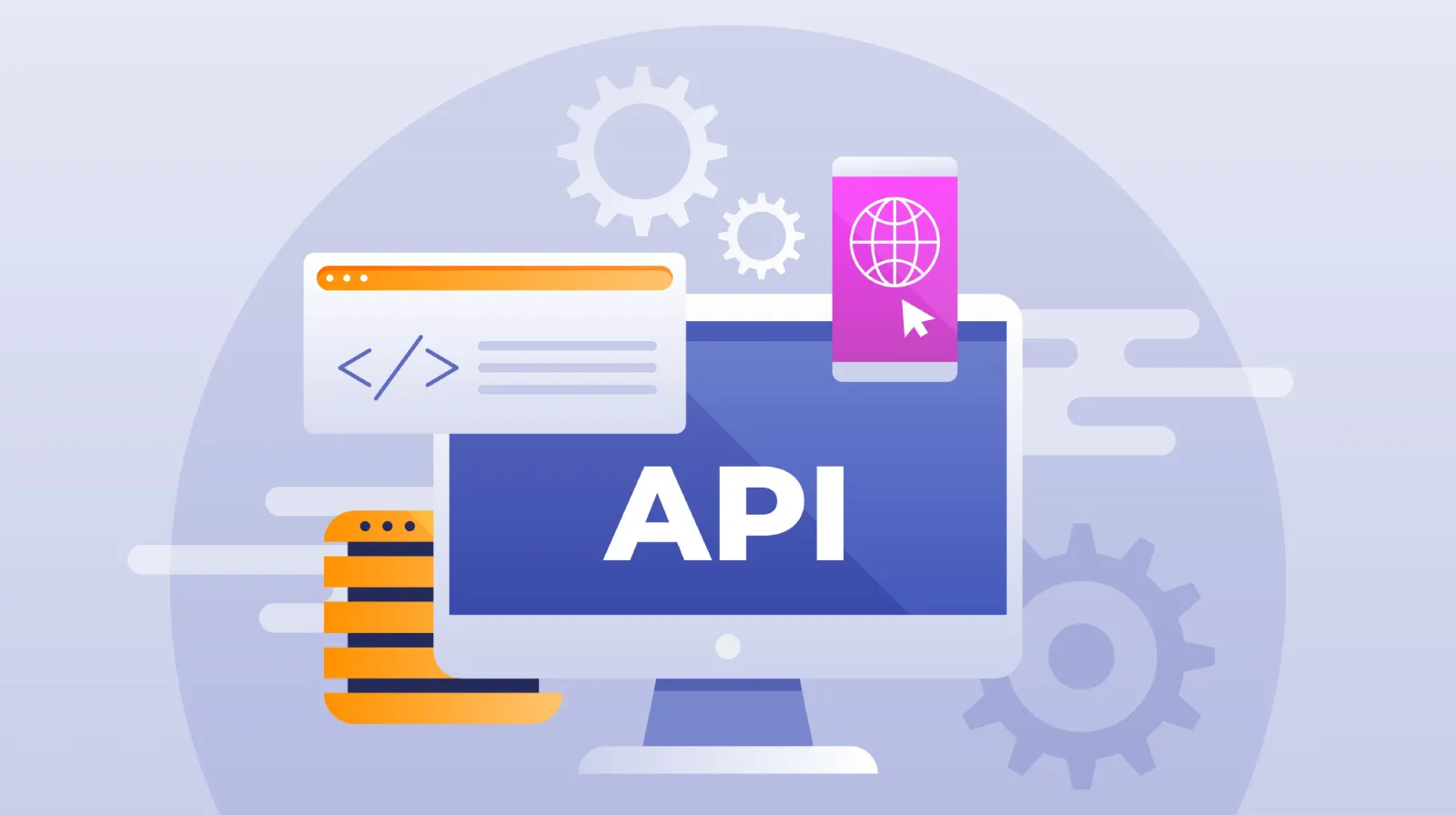
An API (Application Programming Interface) acts like a digital translator between different systems. When a player spins a slot, places a bet, or joins a live game, dozens of APIs talk behind the scenes — transferring data about balance, wins, odds, and user identity.
For instance, when a slot game provider like Pragmatic Play updates its jackpot data, APIs instantly sync that with the casino frontend. The process happens in under 250 milliseconds, ensuring players always see real-time numbers. Without APIs, that synchronization would take minutes, killing the gaming experience.
The Evolution of API Integration in Casinos
The early 2010s saw casinos using separate systems for each game type. Live tables, slots, and sportsbooks all ran on different databases. Players had to reload wallets and switch interfaces constantly.
By 2016, the first unified casino APIs appeared, allowing cross-product balances. In 2021, the adoption rate of modular API frameworks hit 78%, making integration the new standard. Fast forward to 2025, and no serious operator launches without API-first architecture — a model that boosts deployment speed by 65% compared to legacy systems.
Live Dealer API Integration
Live dealer games are the crown jewel of online casinos. They merge real-time video, betting systems, and human interaction. However, they’re also the most technically demanding.
A live dealer API coordinates streaming servers, game logic, and user wallets simultaneously. In 2023, one leading provider handled over 2.5 million concurrent streams during peak hours — each requiring microsecond synchronization between video frames and bet data.
APIs ensure that when a dealer flips a card, every player across continents sees the result instantly — no delays, no desync. Without that precision, player trust vanishes faster than a roulette spin.
Slot Game API Integration
Slot APIs manage everything from random number generation (RNG) to bonus triggers. When you hit a jackpot, the API communicates that win to the casino’s accounting and promotional systems.
In 2024, slot game APIs processed more than 15 billion spins per day worldwide. Modern integration even supports cross-provider jackpots, allowing a player on one site to compete with someone on another. It’s like linking hundreds of slot rooms into one giant digital Las Vegas.
The key challenge is performance — every spin outcome must load in less than 400 milliseconds or users lose engagement. Proper caching and load balancing keep the reels spinning smoothly.
Sportsbook API Integration
Sports betting demands accuracy measured in fractions of a second. APIs pull data from odds providers, match trackers, and live feeds. For example, a soccer goal scored in London must update odds in Singapore within 0.2 seconds.
During the 2022 FIFA World Cup, sportsbook APIs processed over 180 million betting events across 90 countries. APIs also power automated risk management tools, instantly adjusting odds to prevent loss during unexpected events — like a red card or last-minute goal.
Multi-Platform API Architecture
Modern casinos run dozens of interconnected services — all managed by APIs under one roof. This multi-platform architecture allows the same backend to power live dealer, slots, and sportsbooks simultaneously.
With this setup, casinos can launch new products in days instead of months. A unified API gateway reduces code duplication by 40% and maintenance costs by 25% annually. The approach mirrors fintech ecosystems like PayPal or Revolut, where one core manages multiple modules efficiently.
Data Security in Casino APIs
Every transaction, bet, and user session involves sensitive data. To protect it, casinos rely on TLS 1.3 for encrypted communication and AES-256 for database protection.
In 2023, over 92% of regulated iGaming platforms used tokenization to mask personal details. That’s why even if data is intercepted, it’s useless without the decryption key. Additionally, modern API gateways include IP whitelisting and JWT authentication, preventing unauthorized access.
Regulatory Compliance and Licensing
Casinos operate under strict oversight. Regulatory agencies like the Malta Gaming Authority (MGA), UK Gambling Commission (UKGC), and Curacao eGaming demand verifiable data access. APIs simplify this through reporting endpoints, sending real-time transaction summaries directly to regulators.
In 2024, the MGA updated its framework, requiring APIs to log every gaming transaction with timestamps accurate to 0.01 seconds. This move improved audit transparency across 350+ licensed operators.
Latency, Scalability, and Uptime
Milliseconds matter in gaming. If a bet confirmation takes too long, players lose confidence. Industry standards in 2025 dictate that API latency must stay under 200ms globally.
Leading casinos distribute servers geographically — in Malta, London, Singapore, and São Paulo — to handle regional traffic. This global scaling ensures 99.99% uptime, even during peak betting events like the Super Bowl, which alone drives over 50 million API calls per hour.
Case Study: GameStream Integration 2024
GameStream, a major live casino platform, revamped its API infrastructure in June 2024. Before the upgrade, average latency hovered around 420ms. Post-integration, it dropped to 95ms, while daily transaction capacity doubled to 9 million sessions.
Revenue surged by 28% within six months due to smoother player experience and reduced downtime. It’s a textbook case of how strong API integration directly boosts profitability in iGaming.
AI-Powered Monitoring and Fraud Detection
Artificial intelligence is reshaping how APIs function. By analyzing data patterns, AI systems detect anomalies in betting behavior or login activity.
In 2023, AI-driven security frameworks prevented an estimated $620 million in fraudulent transactions across major operators. Machine learning models now predict API overloads before they happen, automatically scaling server resources in real time — a must-have in Casino API Integration for 2025.
Challenges in API Integration
Despite the progress, challenges remain. Integration complexity grows as casinos add new game providers and payment options. Every third-party API introduces latency and potential failure points.
A survey in 2022 showed that 43% of operators experienced downtime due to API dependency issues. Error handling, retries, and proper logging remain the backbone of stability. Cost-wise, maintaining multiple integrations can consume up to 15% of a casino’s IT budget annually.
Future of Casino API Integration
The next decade will redefine casino APIs. Blockchain will introduce immutable transaction tracking, while cloud-native infrastructure will reduce hosting costs by up to 40%.
Hybrid integrations — blending public and private APIs — will dominate. Imagine linking Ethereum smart contracts for transparency with private data APIs for speed. By 2030, experts predict that 70% of casino ecosystems will operate on fully decentralized or semi-decentralized frameworks.
Conclusion
APIs are the invisible veins of modern iGaming — connecting live dealers, slot games, and sportsbook platforms into one vibrant digital organism.
From real-time odds to cross-provider jackpots, every seamless interaction you enjoy stems from API precision. As technology advances, integration won’t just support casinos — it’ll define them. The future of gaming belongs to those who master the art of API connection.
FAQs
1. What is API integration in iGaming?
It’s the process of connecting different casino systems — live games, slots, sportsbooks — into one functional network.
2. Why are APIs critical for live dealer games?
They sync real-time actions, bets, and results between players and dealers globally.
3. How do APIs protect player data?
Through encryption, tokenization, and secure authentication protocols.
4. What’s the biggest challenge in casino API integration?
Balancing speed, scalability, and stability while maintaining compliance.
5. What’s next for casino API tech?
AI, blockchain, and decentralized systems redefining transparency and efficiency.

Happy
0 %

Sad
0 %

Excited
0 %

Sleepy
0 %

Angry
0 %

Surprise
0 %
 0
0
 0
0