A Guide for Custom Plastic Injection Molding
Read Time:5 Minute, 42 Second
In modern manufacturing, custom plastic injection molding plays a critical role in producing high-quality, durable, and precisely engineered plastic components. From automotive interiors and consumer electronics to packaging and medical devices, this process allows manufacturers to create parts that meet unique functional and aesthetic requirements.
Modern manufacturers rely on custom plastic injection molding to create components that meet specific design, strength, and aesthetic requirements. Like LZ Tooling, a reliable plastic injection molding manufacturer, specializes in custom injection molding solutions, combining advanced machinery, premium polymers, and precision tooling to achieve exceptional results. Through optimized molding parameters and strict quality control, they ensure reliable performance, tight tolerances, and production efficiency—showcasing how customization and engineering expertise drive innovation and superior product quality.
This guide explores how custom plastic injection molding works, its key benefits, materials used, design considerations, and challenges — giving you a complete overview of one of today’s most versatile production technologies.
What Is Custom Plastic Injection Molding?
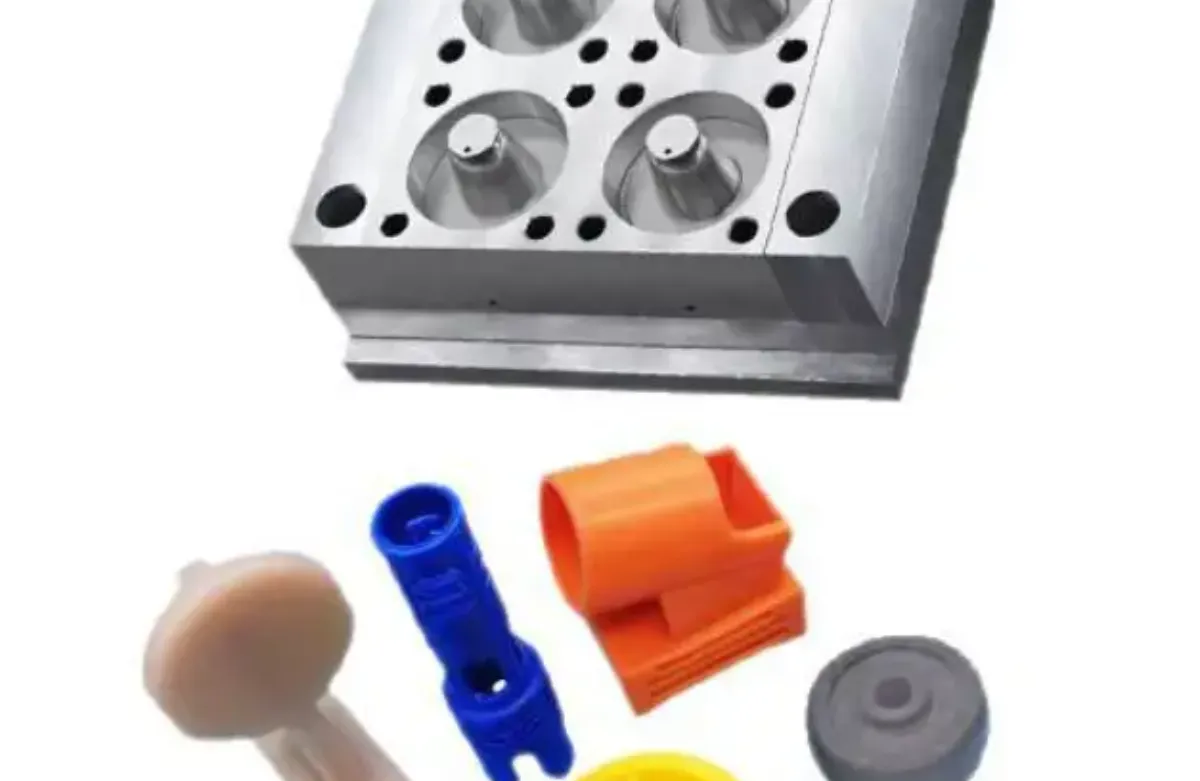
Custom plastic injection molding is a process in which molten thermoplastic material is injected into a specifically designed mold to form custom parts. Unlike standard molding that focuses on mass production of common components, custom molding is tailored to the exact dimensions, material properties, and surface finishes required by a specific application.
This flexibility allows manufacturers to create specialized products that align with brand, industry, and performance needs — whether it’s a transparent optical lens, a reinforced gear, or a soft-touch handle.
How the Process Works
The injection molding process involves several precise and automated steps to ensure each part meets strict quality standards.
1. Clamping
The mold, made of two halves, is securely clamped together by the machine’s clamping unit.
2. Injection
Plastic pellets are melted in a heated barrel and injected into the mold cavity under high pressure.
3. Cooling
The molten plastic cools and solidifies inside the mold, taking the exact shape of the cavity.
4. Ejection
Once cooled, the mold opens, and ejector pins push the finished part out. The mold then closes for the next cycle.
This entire process can take only seconds to complete, depending on the complexity and size of the part, making it ideal for large-scale yet highly customized production.
Why Choose Custom Injection Molding?
Custom injection molding offers unique advantages for industries that demand precision, performance, and design flexibility.
1. Tailored Design
Every mold is built based on your specific part geometry, function, and aesthetics. This ensures that components perfectly fit your product design and assembly.
2. Material Versatility
You can choose from a wide range of thermoplastics, thermosets, and reinforced composites. Material properties — such as flexibility, transparency, or strength — can be optimized to meet your needs.
3. Cost-Effective Mass Production
Once the mold is completed, thousands of identical parts can be produced quickly with minimal material waste, making it highly cost-efficient in the long run.
4. Excellent Precision and Consistency
Custom injection molding ensures tight tolerances, uniform dimensions, and reliable performance across every batch.
5. Aesthetic Flexibility
Textures, colors, and finishes can be incorporated directly into the mold design, eliminating the need for secondary painting or surface treatments.
Common Materials Used in Custom Injection Molding
Choosing the right plastic resin is crucial for achieving the desired product characteristics. Here are some commonly used materials:
- ABS (Acrylonitrile Butadiene Styrene): Strong, impact-resistant, and easily machined — ideal for consumer electronics and automotive parts.
- Polypropylene (PP): Lightweight, flexible, and chemical-resistant, commonly used in food containers and medical devices.
- Polycarbonate (PC): Transparent, durable, and heat-resistant — great for lighting components and protective covers.
- Nylon (PA): Known for toughness and wear resistance, perfect for gears, bearings, and mechanical parts.
- Polyethylene (PE): Cost-effective and moisture-resistant, widely used in packaging and tubing.
- PBT (Polybutylene Terephthalate): Excellent electrical properties, used in automotive connectors and switches.
- TPU (Thermoplastic Polyurethane): Flexible, elastic, and durable — used in soft grips, seals, and footwear.
For custom molding, additives such as glass fibers, flame retardants, colorants, and UV stabilizers can be incorporated to improve strength, safety, or appearance.
Types of Custom Injection Molding Techniques
Different molding techniques allow manufacturers to meet specific project requirements:
- Overmolding: Combines two materials — for example, a soft rubber layer over a rigid substrate for better grip and comfort.
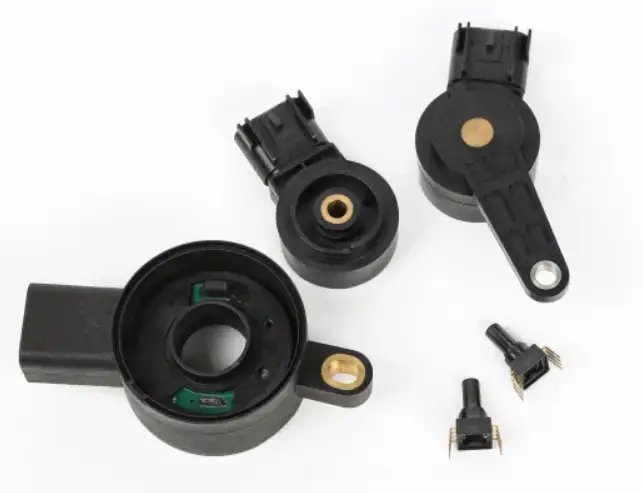
- Insert Molding: Embeds metal or other components into the plastic part during molding for added strength or conductivity.
- Gas-Assisted Molding: Injects gas to create hollow sections, reducing weight and material cost.
- Two-Shot Molding: Molds two materials or colors in one process for advanced multi-component parts.
- Micro Molding: Produces miniature precision parts used in electronics and medical instruments.
Selecting the right method depends on your design complexity, functionality, and production volume.
Advantages of Custom Plastic Injection Molding
Custom injection molding offers both engineering and economic benefits, making it one of the most preferred production techniques worldwide.
- High Efficiency: Once set up, the process allows continuous, automated production with minimal labor.
- Complex Geometry: Capable of producing intricate parts that would be difficult or impossible to produce using traditional machining.
- Strong and Lightweight Parts: Advanced engineering plastics can outperform metals in strength-to-weight ratio.
- Consistent Quality: Repeatable process ensures uniformity across millions of parts.
- Low Waste: Material can be recycled and reused, minimizing environmental impact.
- Scalability: Suitable for both prototyping and high-volume manufacturing.
Disadvantages to Consider
While highly efficient, injection molding does have some drawbacks:
- High Initial Tooling Cost: Designing and machining molds requires significant upfront investment.
- Longer Lead Times: Custom molds may take weeks to design, test, and perfect before production starts.
- Design Limitations: Undercuts, thick walls, or sharp edges can complicate the molding process.
- Material Restrictions: Not all plastics are moldable, especially some thermosetting types.
- Environmental Concerns: Improper disposal or lack of recycling can lead to plastic waste issues.
Balancing these factors early in the design stage helps ensure the best results and optimal cost efficiency.
Applications of Custom Plastic Injection Molding
Custom injection molding is used in virtually every industry, including:
- Automotive: Interior panels, clips, fasteners, and lighting components.
- Medical: Syringes, enclosures, surgical tools, and diagnostic devices.
- Consumer Goods: Packaging, toys, and appliance housings.
- Electronics: Connectors, casings, and precision micro parts.
- Industrial: Valves, handles, and machine components.
Its ability to combine precision, performance, and scalability makes it essential in modern product development.
Conclusion
Custom plastic injection molding remains one of the most powerful and versatile manufacturing processes in the world. It allows engineers and designers to bring complex ideas to life with precision, efficiency, and repeatability.
While the initial tooling investment can be high, the long-term benefits — including cost-effective production, consistent quality, and material flexibility — make it an ideal solution for high-volume and specialized projects alike.
By understanding the process, materials, and design principles, manufacturers can unlock the full potential of custom plastic injection molding to create durable, innovative, and high-performing products across every industry.

Happy
0 %

Sad
0 %

Excited
0 %

Sleepy
0 %

Angry
0 %

Surprise
0 %
 0
0
 0
0