How Arborist Reports Help With Tree Management on Residential Properties
Read Time:4 Minute, 15 Second
Managing trees on residential properties in Sydney and the Northern Beaches can be more complex than it first appears. Mature trees may add shade, privacy, habitat and character, but they can also create safety, structural or compliance concerns if they are not properly assessed. For homeowners considering pruning, removal, building work or long-term tree care, professiona arborist consulting services can provide the technical guidance needed to make informed decisions. An arborist report gives property owners a clearer understanding of tree health, risk, protection needs and suitable management options.
Why Arborist Reports Matter for Residential Properties
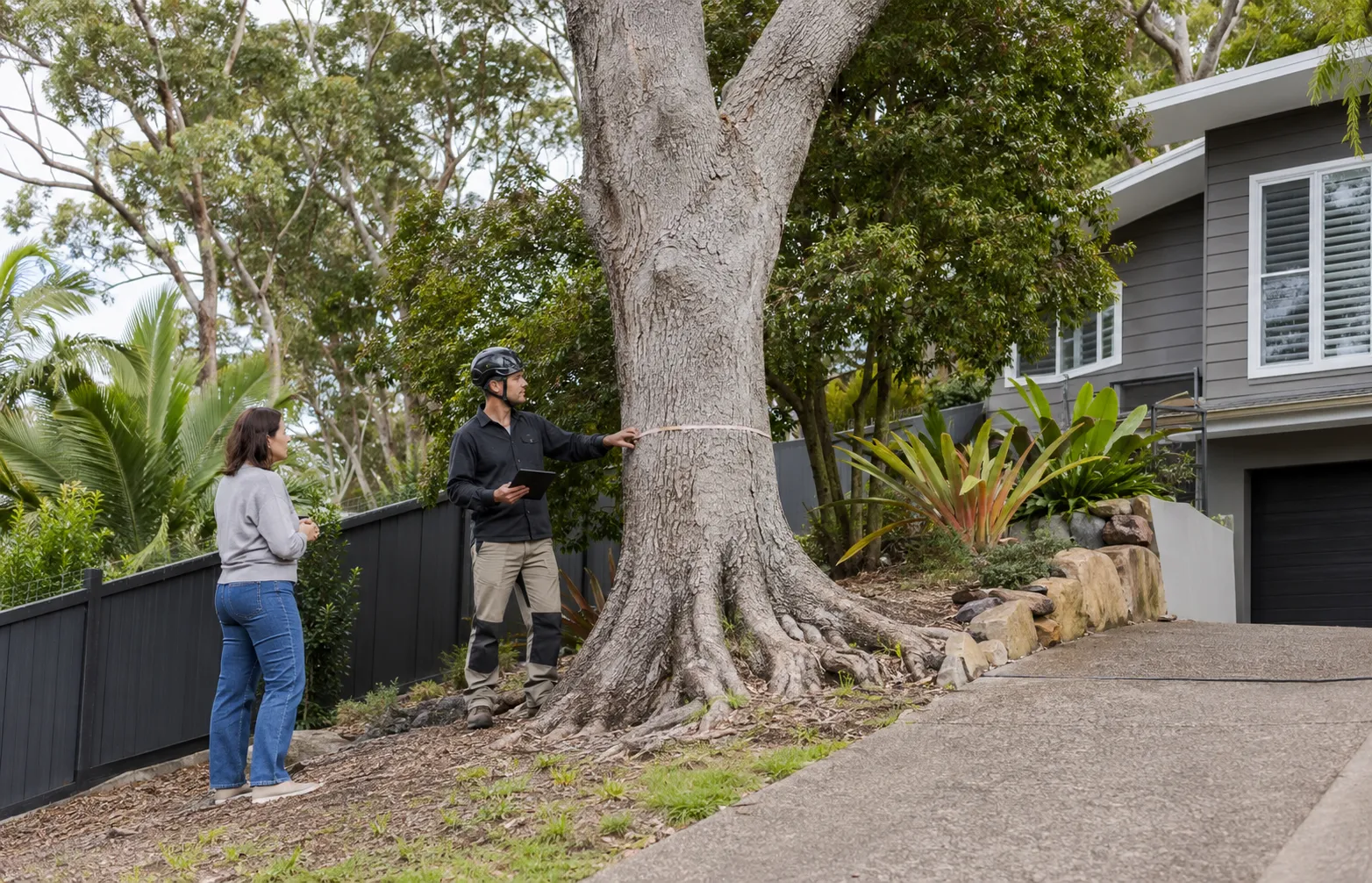
An arborist report is a professional assessment prepared by a qualified arborist. It usually examines the condition, structure, species, location and potential risks associated with one or more trees on a property. For residential homeowners, this information can be valuable before making decisions that may affect safety, neighbouring properties or council requirements.
In Sydney suburbs and Northern Beaches areas, many homes are located close to established trees, sloping land, driveways, fences and neighbouring dwellings. A tree that appears healthy from a distance may have internal decay, root damage or structural weakness that is not obvious without a proper inspection. Similarly, a tree that looks problematic may not need removal if pruning, soil improvement or ongoing monitoring can reduce the risk.
Arborist reports also help reduce uncertainty. Instead of relying on guesswork, homeowners receive documented advice based on tree condition and site context. This can be useful when planning renovations, managing storm-damaged trees, responding to neighbour concerns or deciding whether a tree should be retained, pruned or removed.
Common Situations Where Homeowners May Need One
There are several everyday property situations where an arborist report can help Sydney and Northern Beaches homeowners manage trees responsibly.
- Before tree removal or major pruning: Many councils have rules around removing or heavily pruning protected trees. An arborist report may support an application by explaining the tree’s condition, risk level and management options.
- During home renovations or extensions: Building work can affect tree roots, soil levels and canopy space. A report can identify trees that need protection during construction and outline practical measures to reduce damage.
- After storm or wind damage: Heavy rain and strong winds can weaken branches, expose root issues or worsen existing defects. An arborist assessment can help determine whether a tree is safe to retain.
- When buying or selling a property: Established trees can influence maintenance costs, safety and future development options. A report may help buyers understand possible risks before committing to a purchase.
- For neighbour disputes: Overhanging branches, falling debris, blocked sunlight or concerns about roots can create tension. Independent arborist advice can help clarify the condition of the tree and suitable next steps.
- For insurance or risk management: If a tree has caused damage or may pose a hazard, written professional advice can help document the issue and support responsible decision-making.
What an Arborist Report Usually Includes
A residential arborist report is designed to be practical and clear. While the exact format can vary depending on the purpose of the assessment, most reports include key information that helps homeowners understand both the tree and the recommended management approach.
Typical inclusions may be:
- Tree identification: The report usually records the tree species, approximate height, spread and location on the property.
- Health and condition assessment: This may include observations about leaf density, deadwood, pest activity, disease, decay, wounds or signs of stress.
- Structural assessment: The arborist may examine branch unions, trunk form, cavities, cracks, leaning, root stability and other physical features.
- Risk considerations: The report may consider whether the tree poses a risk to people, buildings, vehicles, fences, services or neighbouring land.
- Site context: Conditions such as soil, drainage, slope, nearby structures and construction activity may be considered.
- Management recommendations: Advice may include pruning, monitoring, root protection, cabling, pest management, removal or replacement planting.
- Photographs and supporting notes: Images can help document the tree’s condition and support council, insurance or planning discussions.
Supporting Better Tree Decisions Across Sydney and the Northern Beaches
Tree management is not simply about deciding whether a tree should stay or go. Good decisions balance safety, environmental value, property use and local requirements. This is especially important in leafy residential areas across the Northern Beaches, where mature trees contribute strongly to neighbourhood character and urban biodiversity.
An arborist report can help homeowners avoid unnecessary removals while also identifying genuine hazards before they become serious problems. It can also support better planning when landscaping, renovating or managing a property over time. For example, protecting roots during construction may allow a valuable tree to remain healthy for many years, while early pruning may prevent future branch failure.
For Sydney homeowners, documented advice can also make conversations with councils, builders, neighbours and insurers more straightforward. Rather than relying on opinions, an arborist report provides a professional basis for action.
Residential trees are long-term assets when they are well managed. With the right assessment and practical recommendations, homeowners can maintain safer, healthier trees that continue to support comfort, privacy and the natural character of Sydney and the Northern Beaches.

Happy
0 %

Sad
0 %

Excited
0 %

Sleepy
0 %

Angry
0 %

Surprise
0 %
 0
0
 0
0