What Makes a Manicure “Professional” (Beyond Pretty Polish)
Read Time:4 Minute, 20 Second
A manicure can look good for a day and still be poorly done. The difference between a quick paint job and a truly professional service is usually not the colour. It’s the method: hygiene, prep, shaping, product selection, and the small finishing steps that keep nails healthy and wear looking tidy.
When people compare Professional manicure Sydney options, they’re often trying to work out what’s included, what’s worth paying for, and what signals a higher standard. This checklist breaks down the specific markers of a professional manicure so you can judge the service by outcomes, not marketing language.
Hygiene standards that protect your skin and nails
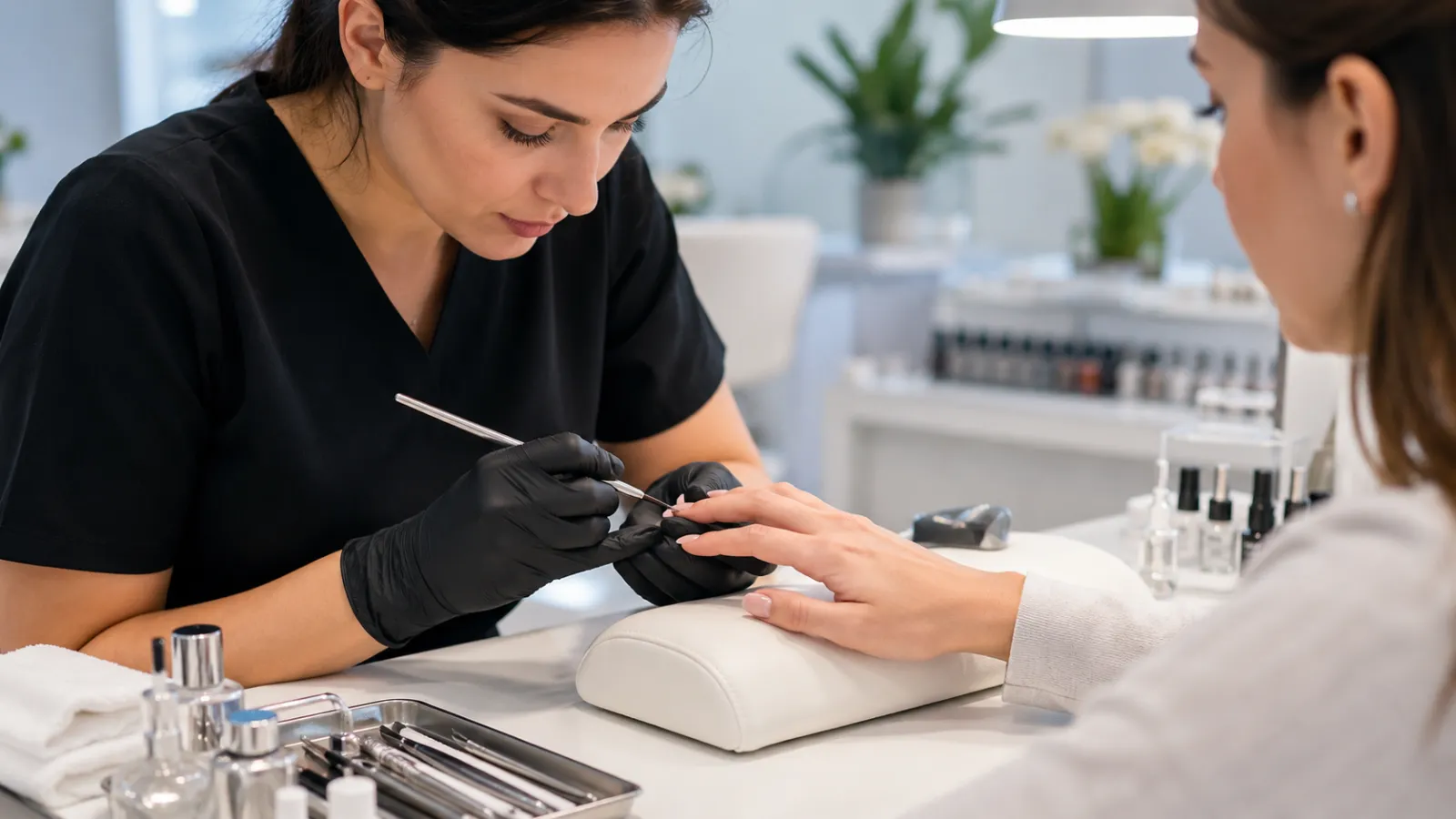
Professionalism starts with safety. Nail work involves tiny abrasions, cuticle edges, and tools that move between hands. Clean habits are not optional, and they’re usually visible if you know what to watch for.
A professional setup typically includes:
- Hand hygiene at the start: sanitising or washing hands before any tools touch skin
- Single-use items where appropriate: files, buffers, wooden sticks, and disposable separators are commonly single-use
- Proper tool handling: metal tools should be clean and stored in a way that prevents re-contamination
- Clean work surface: dust, clippings, and product residue should be cleared between clients
You don’t need to be an expert in sterilisation methods to notice whether the workspace and tool flow looks intentional and consistent.
Prep work that makes everything last longer
If polish is the only focus, wear time suffers. Professional prep is the unglamorous part that makes the final result look smoother and last longer, while reducing peeling and chipping.
Good prep usually means:
- Nail assessment: noticing thin areas, peeling layers, ridges, or previous product damage
- Gentle surface refinement: light buffing to remove shine, not aggressive filing that thins the nail
- Correct dehydration and cleansing: removing oils and residue so products adhere evenly
- Clean edges: tidying the free edge so the nail doesn’t snag and start lifting
A telltale sign of rushed work is when polish looks thick near the cuticle or the surface looks wavy because prep wasn’t even.
Shaping that suits your nail strength and daily life
A professional manicure doesn’t force every hand into the same shape trend. It balances appearance with durability, especially if your nails are naturally flexible or prone to splitting.
Professional shaping tends to be:
- Symmetrical: nails match each other in length and curve
- Appropriate for strength: shorter shapes for weaker nails, more length only when structure can support it
- Smooth at the corners: sharp edges chip faster and catch on clothing
- Finished with the right file grit: overly coarse filing can create micro-tears that encourage splitting
If the shape looks good but feels sharp, rough, or uneven when you run a finger along the edge, the finishing stage was probably rushed.
Cuticle care that improves neatness without causing damage
Cuticles are meant to protect the nail matrix area. Professional cuticle work is about neatness and comfort, not over-removal.
Signs of careful cuticle work:
- Softening first: with appropriate product and time, rather than forcing dry skin
- Gentle pushing: clearing non-living tissue from the nail plate without scraping aggressively
- Minimal cutting: only when necessary for hangnails or lifted non-living skin
- No soreness afterward: tenderness or bleeding is a red flag, not a normal outcome
The best cuticle work is almost invisible the next day. No sting, no redness, just cleaner lines around the polish.
Product choice and application technique
“Professional” also shows up in how products are applied. Even the best polish looks messy if it floods the cuticle or sits too thick.
Quality application usually includes:
- Thin, even layers: building coverage without bulk
- A clean margin at the cuticle: close, but not touching skin
- Capped free edge: sealing the tip to reduce chipping
- Controlled curing for gels: consistent timing and full cure to avoid early lifting
A professional manicure should feel comfortable immediately. If the product feels thick, catches hair, or leaves rough edges, the finishing step was not polished.
Finishing and aftercare that keeps nails healthy
The final minutes often determine whether the manicure feels refined or merely done.
Professional finishing typically includes:
- Cleaning residue: removing dust and product smears from the surrounding skin
- Hydration: cuticle oil and moisturiser to restore skin after prep products
- Practical aftercare guidance: how to avoid early chips, lifting, or dryness without making it feel like homework
Aftercare doesn’t need to be dramatic. Small habits like oiling, avoiding picking, and using gloves for harsh cleaning usually do most of the work.
Quick signs you’ve received a professional manicure
If you want a simple summary, here are the outcomes that usually signal high-quality work:
- polish line is neat, not flooded into skin
- edges feel smooth and don’t snag
- nails look even in shape and length
- cuticles look clean but not irritated
- the manicure feels comfortable, not tight or sore
- wear is consistent, with less chipping at the tips
A professional manicure is less about the trend of the moment and more about repeatable technique. When the fundamentals are right, any colour looks better and your natural nails stay in good condition over time.

Happy
0 %

Sad
0 %

Excited
0 %

Sleepy
0 %

Angry
0 %

Surprise
0 %
 0
0
 0
0