How Septic Systems Work (and Why Cleaning Schedules Matter)
Read Time:4 Minute, 0 Second
A septic system is a small, on-site wastewater treatment setup that quietly handles everything that goes down your drains. When it is working well, you rarely think about it. When it is not, the problems can be messy, expensive, and stressful.
Most maintenance issues come down to one simple reality: solids build up. Scheduling septic tank cleaning at appropriate intervals helps keep the tank doing its job, which is separating solids from liquids and protecting the drainfield from getting overloaded.
The Basic Parts of a Septic System
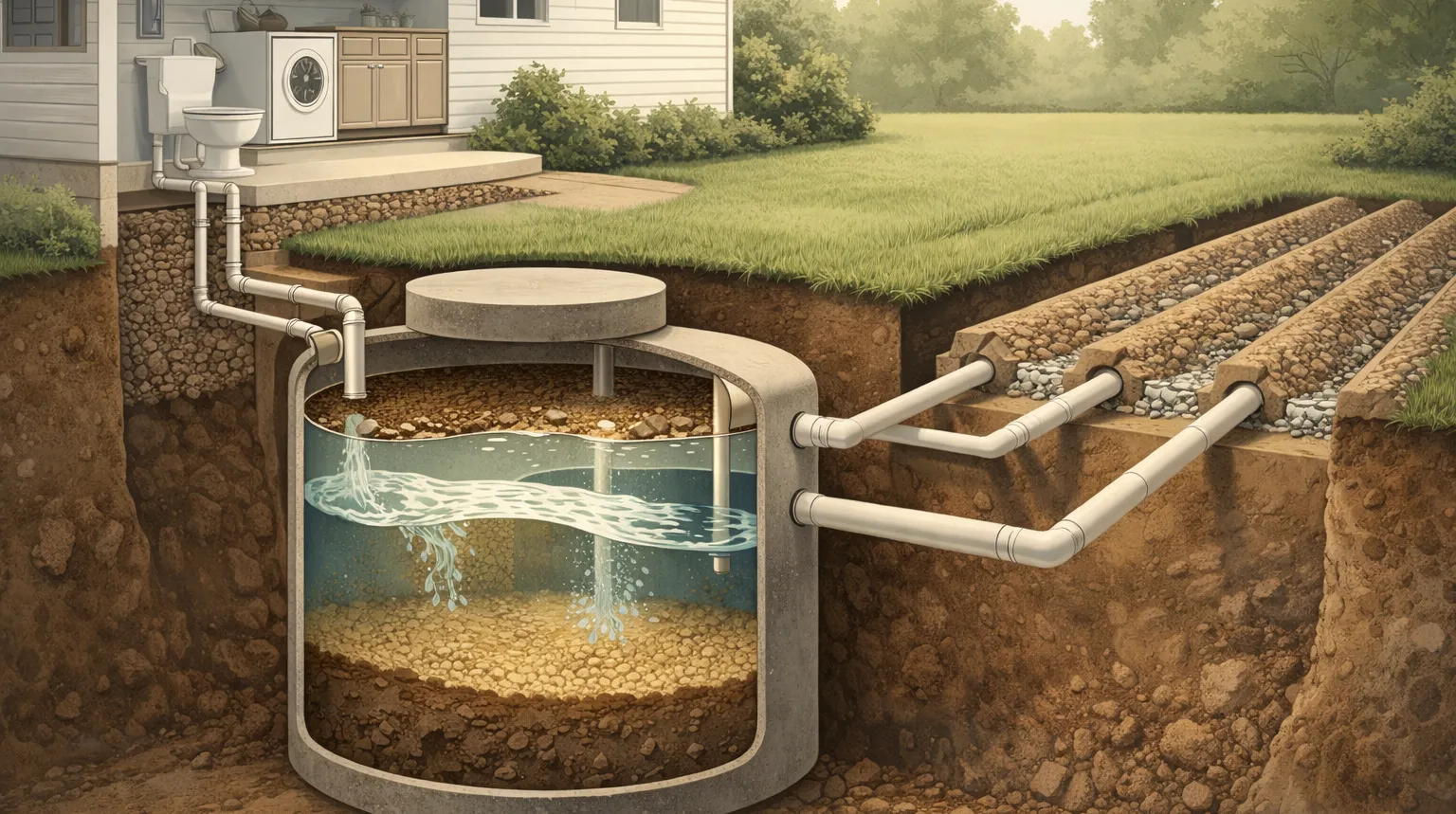
While designs vary, many household systems share the same core components:
- Inlet pipe: Carries wastewater from the house into the tank.
- Septic tank: A watertight container where waste separates into layers.
- Baffles or tees: Help slow the flow and keep scum and sludge where they belong.
- Outlet pipe: Allows clarified liquid (effluent) to exit the tank.
- Drainfield (leach field): A network of pipes or trenches that disperses effluent into soil for final treatment.
Think of the tank as a separator, not a disposal unit. It is designed to hold onto solids so that mostly liquid moves on to the drainfield.
What Happens Inside the Tank: Layers and Bacteria
Inside the tank, gravity and time do most of the work. Wastewater separates into three main layers:
- Scum layer: Lighter materials like oils and grease float to the top.
- Effluent layer: The relatively clear liquid in the middle.
- Sludge layer: Heavier solids settle at the bottom.
Naturally occurring bacteria break down some of the organic material, but they do not make everything disappear. Over time, sludge and scum accumulate. The tank’s capacity to hold waste safely depends on keeping those layers from getting too thick.
If solids rise too high or scum becomes excessive, more material can escape into the outlet and head toward the drainfield. That is when small maintenance becomes a larger repair risk.
Why the Drainfield Is the Expensive Part to Protect
The drainfield is where the system finishes treating wastewater. Effluent trickles through gravel and soil, and microbes in the soil help filter and break down contaminants. This process depends on the soil staying open and able to absorb water.
When a tank is not maintained, solids and fats can move into the drainfield and clog it. Once the drainfield is damaged, fixing it can involve major excavation and replacement. That is why tank maintenance is not just about avoiding odors or slow drains. It is about protecting the most costly part of the system.
What “Cleaning Schedules” Really Mean
People often use “cleaning” as a general term, but the practical goal is consistent: remove accumulated solids before they cause trouble. A good schedule is based on how quickly your tank fills with sludge and scum, which depends on several household factors:
- Number of people in the home: More people generally means faster buildup.
- Water use habits: Long showers, frequent laundry, and high water usage push more flow through the system.
- Tank size: Larger tanks can store more solids for longer.
- What enters the system: Grease, wipes, and non-biodegradable items accelerate problems.
- Garbage disposal use: It adds organic solids that increase sludge accumulation.
A practical way to think about scheduling is not “every X years no matter what,” but “often enough that solids never reach the point where they carry over.” Inspections can help confirm whether your current interval matches your actual usage.
Early Warning Signs Your Schedule Might Be Too Long
Septic problems usually give hints before they become emergencies. If any of these show up, it is a sign your system needs attention:
- Drains slowing across multiple fixtures, not just one sink
- Gurgling in pipes or toilets after using water
- Odors near drains or outside around the tank area
- Wet, spongy, or unusually green patches over the drainfield
- Sewage backup, even if it seems minor at first
It is also worth paying attention to changes in routine. Adding family members, starting frequent home laundry, or hosting long-term guests can shift your maintenance needs without you noticing.
Everyday Habits That Make Maintenance Easier
A sensible cleaning schedule works best when paired with septic-friendly habits. These reduce buildup and help the system operate as designed:
- Keep grease out of the sink. Let fats cool and dispose of them in the bin.
- Avoid wipes and hygiene products. Even “flushable” versions can behave like solids.
- Use cleaning chemicals thoughtfully. Normal use is usually fine, but excessive harsh chemicals can disrupt bacteria.
- Spread out water use. Doing multiple loads of laundry back-to-back can overload flow to the tank and drainfield.
- Protect the drainfield. Do not park on it, build over it, or direct roof runoff toward it.
These habits do not replace maintenance, but they can help you stay on a steadier, less stressful schedule.

Happy
0 %

Sad
0 %

Excited
0 %

Sleepy
0 %

Angry
0 %

Surprise
0 %
 0
0
 0
0