
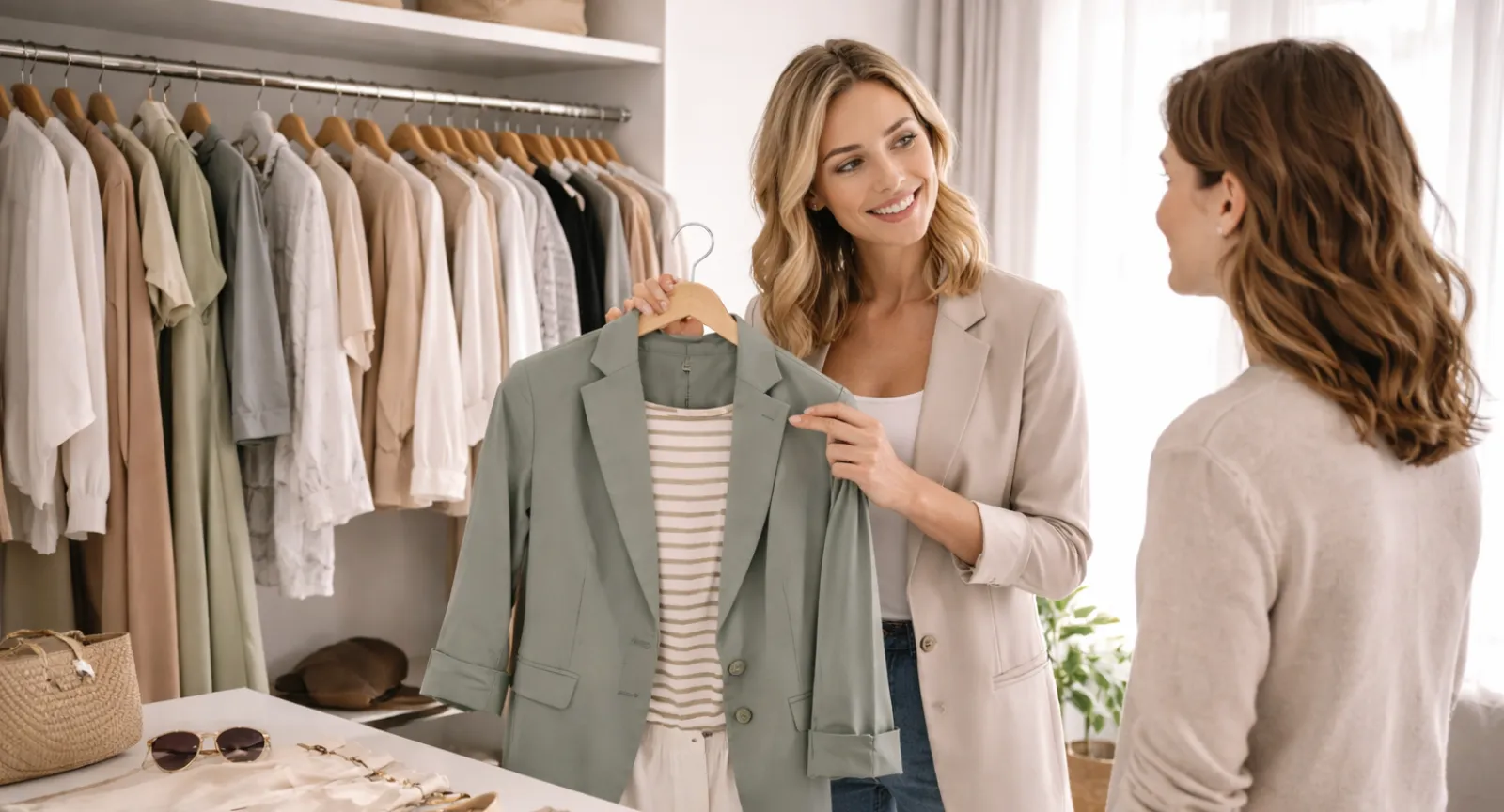
What a Personal Stylist Actually Does and When It Helps
Read Time:4 Minute, 20 Second
A personal stylist is often described as someone who helps you “dress better,” but the reality is more practical than that. Styling is about building a wardrobe that works as a system, so getting dressed takes less effort and your clothes match the life you actually live. For some people, the goal is polish for a new role. For others, it’s comfort and confidence after a body change, a move, or a shift in routine.
In many cities, a personal stylist melbourne is brought in when someone wants clearer direction and consistency, not a closet full of new items. The best outcomes usually come from making existing pieces easier to wear, then shopping only to fill real gaps.
Styling Is Not the Same as Shopping
Shopping is the part people picture first, but it is only one tool. Styling is the strategy that comes before it. A stylist helps define what you’re aiming for, what’s not working, and what you can stop buying because it doesn’t fit your needs.
That strategy often includes:
- identifying repeatable outfit formulas you can rely on
- setting a realistic range for fabrics, fits, and silhouettes that feel like you
- making sure your wardrobe supports your work, weekends, exercise, events, and climate
If shopping does happen, it’s ideally guided by a plan rather than impulse or trend pressure.
Common Services a Stylist Offers
Different stylists have different approaches, but most work tends to fall into a few categories.
A wardrobe edit (sometimes called a closet audit) focuses on what you already own. The work is about fit, condition, and versatility. Pieces may be kept, altered, repaired, or retired. A strong edit also produces outfits, not just piles.
Outfit planning is about turning items into combinations you can repeat. This might mean building a set of “default” looks: a work uniform, a casual formula, an elevated dinner outfit, and weather-ready options.
Personal shopping focuses on filling gaps. Instead of buying more of what you already have, the goal is to target items that connect your wardrobe. Think of the missing jacket that works with five outfits, not the fifth pair of black pants.
Event styling is narrower and time-bound, but it still benefits from a wardrobe-systems approach so the purchase doesn’t become a one-night-only regret.
When a Stylist Is Most Useful
People often wait until they feel completely stuck, but there are some clear moments when support can save time, money, and frustration.
A career shift is a big one. Whether you’re moving into leadership, changing industries, or returning to work, dress expectations can change quickly. A stylist can help you land in the right level of formality without feeling like you’re in costume.
Body changes also trigger wardrobe confusion. After pregnancy, illness, training, or menopause, it’s common to have a closet full of items that technically fit but don’t feel right. Styling can reintroduce comfort and proportion without requiring a full replacement cycle.
Lifestyle changes matter too. Moving cities, adjusting to a new social scene, or entering a new stage of parenting can make old outfits feel disconnected. A stylist can help align clothing choices with real weekly patterns.
What to Expect From the Process
Most styling work starts with clarity. You’ll typically talk through what you need your wardrobe to do, what you avoid wearing, and what you reach for repeatedly. Photos of your typical outfits can be more useful than a mood board because they show habits, not aspirations.
From there, it’s common to build a plan:
- what to keep, what to tailor, what to replace
- which colors and shapes you want to prioritize
- the order of purchases, so you don’t buy “nice things” that don’t integrate
If shopping is involved, expect fewer purchases than you might imagine. The point is cohesion. A smaller number of well-chosen pieces can create more outfits than a large pile of disconnected items.
How to Tell If It’s a Good Fit
Styling is personal, so the best indicator is whether you feel understood. A good stylist can explain decisions in plain language and connect recommendations to your preferences, comfort, and daily life.
Green flags include:
- they ask about your routine, not just your taste
- they prioritize fit and feel, not only trends
- they can work with your existing wardrobe and constraints
- they help you make decisions you can repeat on your own
A useful way to think about the relationship is this: you should leave with tools, not dependency. Even if you enjoy ongoing support, you should still feel more capable than when you started.
Making the Most of Styling Support
You don’t need a perfect closet to begin. The most helpful starting point is a realistic snapshot of your life and what you want clothing to do for you: reduce decision fatigue, look sharper at work, feel more like yourself, or stop wasting money on items that never get worn.
If you approach styling as a system-building project rather than a shopping spree, you’ll usually end up with a wardrobe that feels calmer, more flexible, and easier to maintain.

Happy
0 %

Sad
0 %

Excited
0 %

Sleepy
0 %

Angry
0 %

Surprise
0 %
 0
0
 0
0