Space Race Glory and Royal Heritage: The OMEGA and TUDOR Story
Read Time:6 Minute, 40 Second
Two brands. Two completely different origin stories. Yet both have earned their place in watchmaking history through genuine achievement rather than clever marketing. OMEGA went to the moon. TUDOR armed naval forces. These aren’t abstract heritage claims but documented realities that shaped how both manufacturers approach design and engineering today.
When NASA Needed Reliability, They Chose OMEGA
Picture this: It’s 1964, and NASA engineers have a problem. They’re sending humans to the moon, and they need timepieces that won’t fail in the vacuum of space. Not “probably won’t fail” but “absolutely cannot fail under any circumstances.” So they bought watches from multiple manufacturers off the shelf and tortured them systematically.
The testing protocols read like a destruction manual. Thermal shock cycling between extreme heat and freezing cold. Acceleration forces that would crush ordinary mechanisms. Extended exposure to pure oxygen. Vibration testing that rattled components apart. Most watches died quickly. Some lasted longer. Only one brand sailed through everything NASA threw at it: OMEGA.
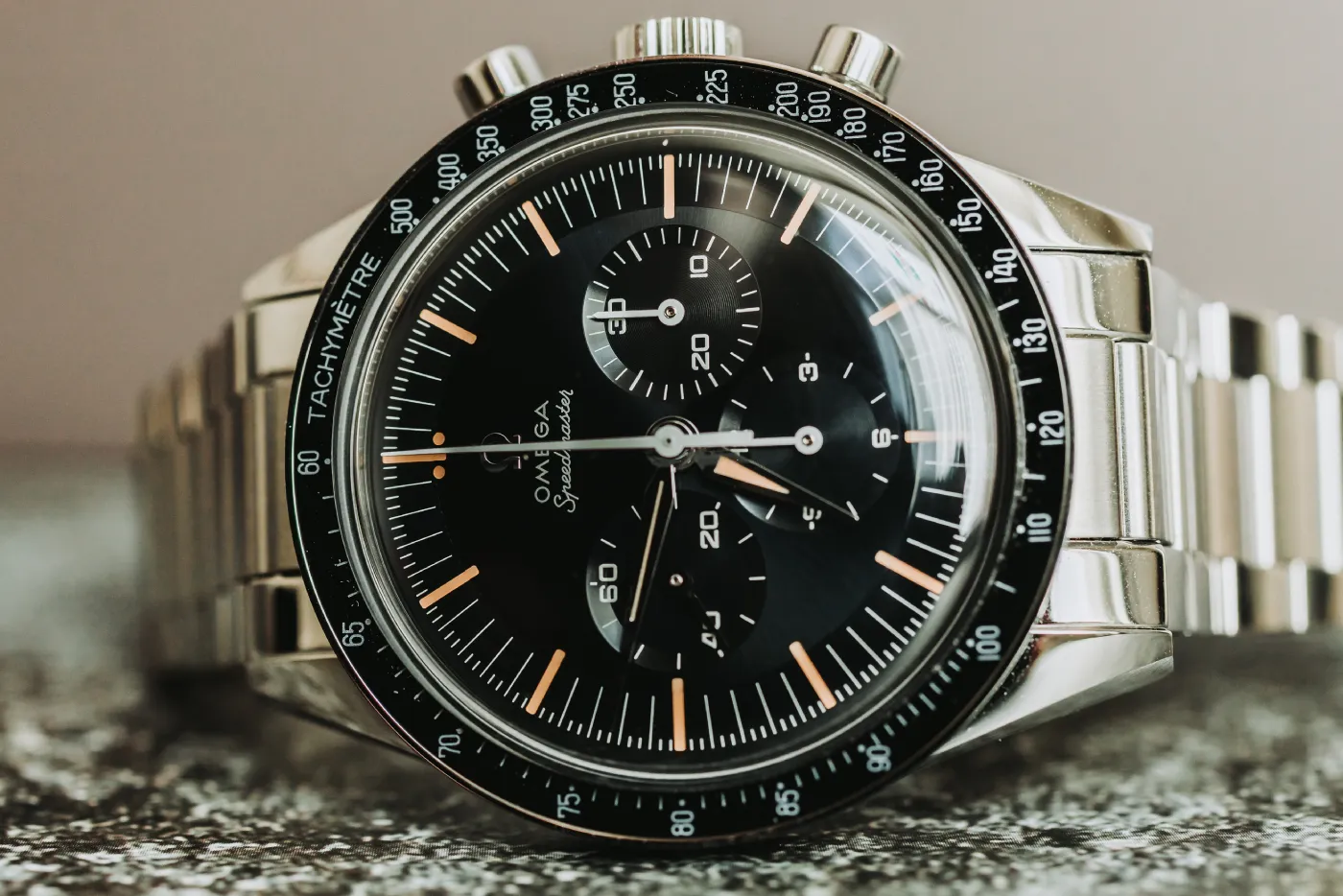
The OMEGA Speedmaster Professional earned its Moonwatch designation through performance, not politics. When Buzz Aldrin stepped onto the lunar surface, his Speedmaster was working perfectly despite conditions that would destroy conventional timepieces. That’s the kind of credibility you can’t buy through advertising campaigns.
TUDOR’s Military Contracts Tell Their Own Story
Whilst OMEGA conquered space, TUDOR was busy proving itself in Earth’s harshest environments. The French Marine Nationale, British Royal Navy, and US Navy all issued TUDOR watches to diving units during the 1950s and 1960s. Military procurement officers don’t choose equipment based on aesthetics or brand prestige. They demand functionality, durability, and value.
TUDOR delivered all three. Their Submariners and diving watches survived brutal abuse from professional military divers operating in challenging conditions. Salt water, physical impacts, temperature extremes, and general neglect all failed to stop these workhorses. The watches simply kept running despite treatment that would destroy luxury timepieces from other manufacturers.
These military-issued pieces now command extraordinary premiums in collector markets, not because of artificial scarcity but because they represent proven capability. Original Marine Nationale TUDOR Submariners sell for multiples of their original prices because collectors recognise genuine heritage versus manufactured mythology.
Design Philosophy: Refinement vs Character
OMEGA’s approach to design emphasises timeless elegance executed with technical precision. The Speedmaster’s layout hasn’t fundamentally changed since the 1960s because the original design solved all relevant problems correctly. Black dial for maximum contrast. Tachymeter bezel for speed calculations. Clear, legible markers and hands. Why change perfection?
The Seamaster collection demonstrates similar restraint. Wave-pattern dials reference ocean heritage without being literal. Case proportions balance presence with wearability. Bracelet integration feels purposeful rather than afterthought. Every design decision serves clear function whilst maintaining aesthetic appeal that doesn’t date.
TUDOR takes a different approach that celebrates vintage character whilst incorporating modern manufacturing. The Black Bay collection resurrects 1950s proportions and styling elements but builds them with contemporary movements and materials. Snowflake hands. Shield logos. Gilt dials. These design choices create pieces with personality and warmth that pure tool watches sometimes lack.
The burgundy bezel on certain Black Bay models exemplifies this approach perfectly. It serves no functional purpose different from standard black, but it adds character that makes the watch feel special. That willingness to prioritise emotion alongside function separates TUDOR from purely utilitarian manufacturers.
Manufacturing Capability and Independence
OMEGA operates within Swatch Group with access to enormous resources and manufacturing capability. Their movements incorporate cutting-edge materials like silicon balance springs and innovative technologies like Co-Axial escapement. When OMEGA decides to push technical boundaries, they have infrastructure and capital to make it happen.
This backing allows ambitious projects like achieving 15,000-gauss magnetic resistance that require rethinking the entire movement architecture. Independent brands couldn’t justify the development costs, but Swatch Group’s scale makes such innovation commercially viable.
TUDOR’s journey towards manufacturing independence represents a different achievement. Breaking free from complete reliance on ETA movements required massive investment in calibre development. The MT5602 movement demonstrates their success, delivering 70-hour power reserve, COSC chronometer certification, and silicon balance spring at prices that embarrass competitors charging double.
The Rolex Connection Nobody Wants to Discuss
Let’s address the elephant in the room. TUDOR started as Rolex’s more affordable line, and that heritage creates complicated dynamics. Some view TUDOR as a budget Rolex. Others celebrate their evolution into an independent brand with a distinct identity.
The truth sits somewhere between. TUDOR benefits from Rolex connection through shared manufacturing expertise, supplier relationships, and quality standards. Their cases are even produced in the same facilities. But modern TUDOR has developed unique design language and manufacturing capabilities that justify evaluation on their own merits.
OMEGA faces no such identity questions. They compete directly with Rolex in the premium segment through technical innovation and proven heritage rather than pricing strategy. This positioning allows OMEGA to maintain a distinct identity without constant comparison to sibling brands.
Price Positioning and Strategic Targeting
OMEGA occupies premium territory with entry points around £3,000-4,000 for steel sports models. This pricing reflects genuine manufacturing costs, brand positioning, and technical capabilities that deliver measurable value. You’re paying for Co-Axial movements, superior finishing, and heritage that includes genuine achievements.
TUDOR strategically positions below OMEGA and Rolex with entry points around £2,000-3,000. This accessibility makes serious Swiss watchmaking available to broader audience whilst maintaining quality standards that justify luxury classification. You can build a substantial TUDOR collection for the price of a single comparable Rolex.
Collecting Communities and Cultural Relevance
OMEGA collectors tend towards mature enthusiasts who appreciate technical achievement and proven heritage. Speedmaster forums discuss minute differences between references spanning decades. Seamaster collectors debate vintage versus modern, quartz versus automatic, and which variations best represent the line’s evolution.
This collecting culture values knowledge and authenticity over hype. OMEGA enthusiasts research production dates, movement calibres, and historical context. They appreciate watches as instruments with documented achievements rather than fashion accessories.
TUDOR’s collecting community skews younger and embraces the brand’s quirky character. Pairing vintage aesthetics with contemporary reliability appeals to millennials entering luxury watch market. The brand’s aggressive growth and expanding product line creates excitement that more established manufacturers sometimes lack.
Making the Choice Between Giants
Selecting between OMEGA and TUDOR requires honest assessment of priorities. OMEGA delivers premium positioning, cutting-edge technology, and heritage including literal moon landings. Their pieces command respect in any context whilst delivering measurable technical advantages through innovative engineering.
TUDOR offers exceptional value within the Swiss luxury segment. You’re getting genuine heritage, proven reliability, and distinctive design at prices that encourage collecting multiple pieces. The brand’s evolution towards independence makes current era particularly interesting for enthusiasts watching manufacturing developments.
Both choices represent intelligent decisions for different reasons. OMEGA buyers prioritise absolute quality and technical achievement. TUDOR buyers emphasise value and character. Neither approach is wrong.
The secondary market reflects these different value propositions. Vintage OMEGA Speedmasters from the moon-landing era command astronomical prices because of documented historical significance. TUDOR’s military-issued pieces similarly achieve premiums based on proven military use.
Dealers like MVS Watches offer authenticated examples from both brands, allowing collectors to explore different eras and references that tell broader stories about each manufacturer’s evolution. Pre-owned markets provide access to discontinued models and vintage pieces unavailable through authorised channels.
Beyond Brand Loyalty
The best watch collections include pieces from multiple manufacturers that serve different purposes and occasions. OMEGA Speedmaster for special events and occasions demanding premium presence. TUDOR Black Bay for daily wear that combines capability with approachable luxury. Neither choice excludes the other.
Understanding what makes each brand genuinely special helps buyers make informed decisions based on real strengths rather than marketing narratives. Both OMEGA and TUDOR earned their reputations through actual achievement. Both continue innovating whilst respecting heritage that gives their pieces meaning beyond mere timekeeping.
Choose based on which story resonates more deeply. Space exploration and Olympic timing? OMEGA delivers that narrative. Military heritage and vintage-inspired character? TUDOR owns that territory. Both represent watchmaking excellence worth celebrating.

Happy
0 %

Sad
0 %

Excited
0 %

Sleepy
0 %

Angry
0 %

Surprise
0 %
 0
0
 0
0