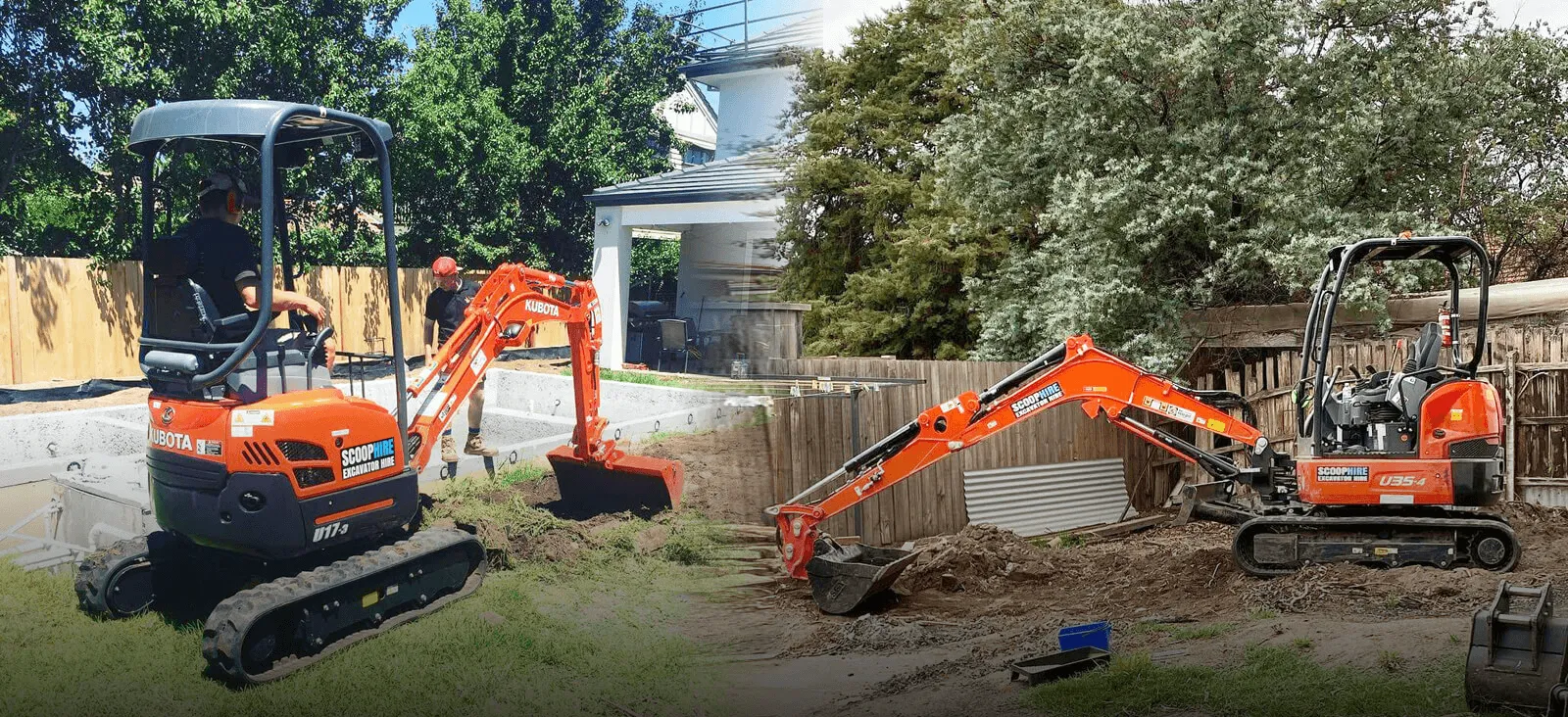
Mini Excavators Lead Industry Shift Towards Electric Power and Smart Technology
Read Time:2 Minute, 30 Second
Compact excavators are indeed rapidly being acknowledged as the most practical and versatile workhorse for projects that do not offer the luxury of space to work within. Manufacturers across the board are leaning towards integrating various technological advances tight job sites, are undergoing a technological revolution. Most compact excavators for hire are no longer deemed as mere hydraulic tools due to the intense and rapid integration of these compact machines to technological advancements such as Artificial Intelligence (AI), GPS and highly sensitive sensors.
In essence these machines are being transformed from being labour-intensive machines into intelligent, autonomous, and efficient working assets that enhance productivity significantly. This transition is also seen as timely due to the demands that stem from the construction sector for higher precision machines that advocate faster completion of projects and improved safety. These compact machines in a sense are being seen as emerging game-changers that is expected to improve industry dynamics significantly within the next few years.
AI Integration
Looking into the core of the transformation revolving around compact machines, mainly excavators, and one would find machine learning, computer vision, and IoT sensors being merged to the extent that these compact machines are capable of understanding their immediate environment.
Most compact excavators that are offered for hire by construction equipment rental companies are capable of monitoring the machine’s own health, and also capable of optimizing operations in real-time.
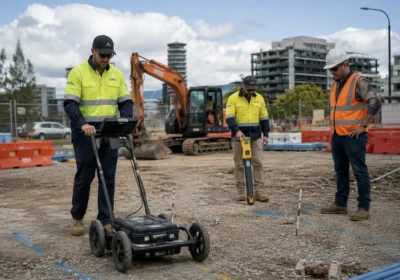
Some of the technologies that are being integrated into these compact versions of standard excavators include LiDAR and 360-degree cameras which allow the machine to create 3D digital maps of the job site and subsequently navigate complex work spaces without any human intervention.
Key Benefits
The primary objective of these technological inclusions into compact machines leans towards enhancing precision and subsequently, productivity. In summation it can be said that these tech inclusions take “machine control” to an entirely new level. These systems are capable of automatically performing digging tasks (depths and angles) in a consistent manner, which means a high level of grading and trenching may be achieved within a short period of time.
This also means that reliance on operator skill is lowered drastically which offers a productivity level of up to 300% (dependent on the contrast among operator skills). These advancements also bring about enhanced safety especially in tight spaces where machines are prone to collisions. These ‘smart’ systems are being suited for operations in crowded, urban project sites or residential environments as these machines are able to detect objects (including people) or obstacles or even underground utilities and automatically shut down or avoid collisions.
Other factors include the fact that the machine is able to ‘tell’ fleet managers that it needs a preventive maintenance based on ‘self-checks’ on the hydraulic systems, the engine, and structural sensors to predict maintenance which reduces the possibility of breakdowns significantly.
Last, but not least is the fact that the reliance on operators is reduced (the industry is currently facing a shortage of skilled excavator operators).

Happy
0 %

Sad
0 %

Excited
0 %

Sleepy
0 %

Angry
0 %

Surprise
0 %
 0
0
 0
0