Designing a Commercial Greenhouse for Year-Round Production
Read Time:4 Minute, 19 Second
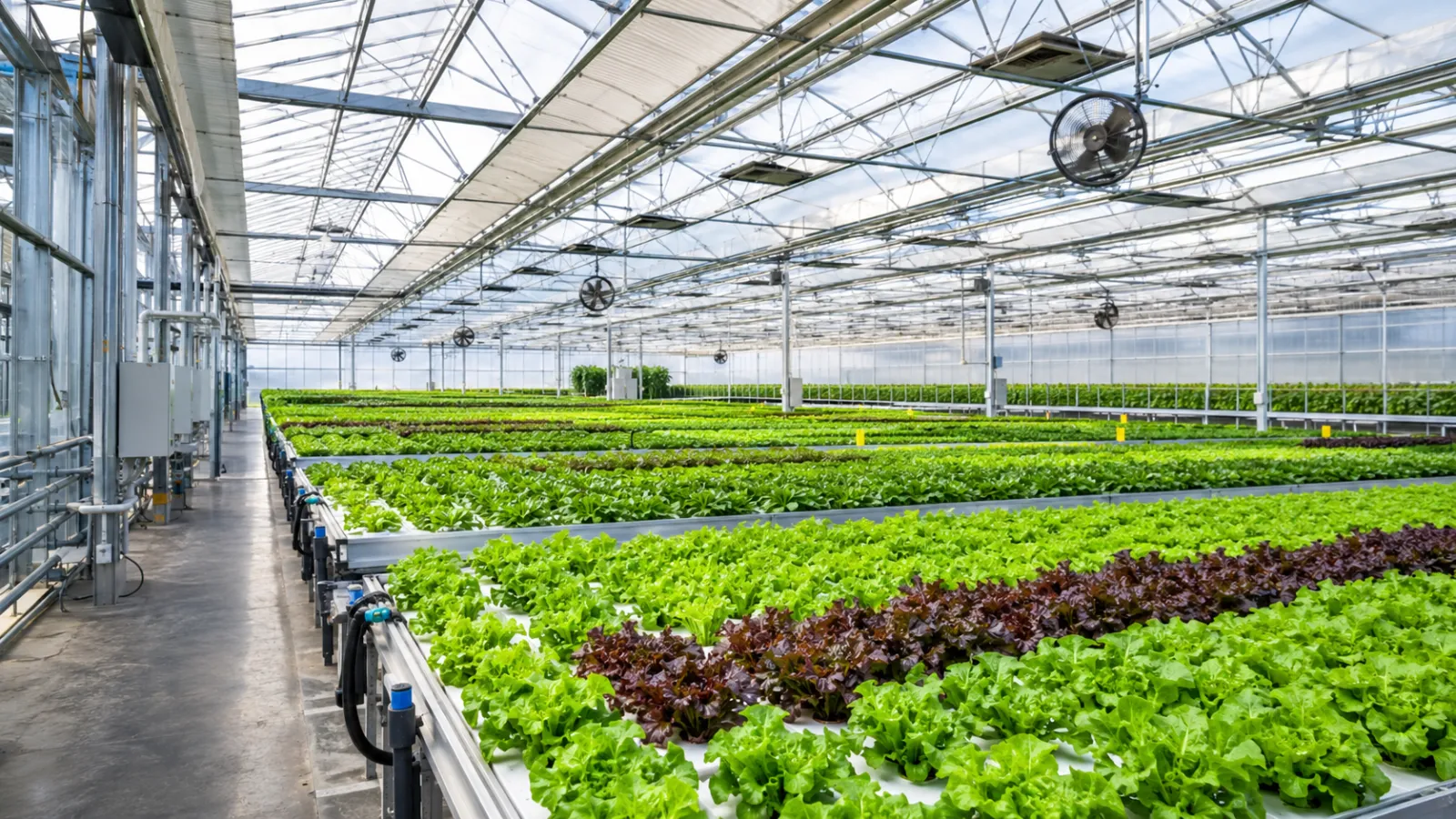
Building for year-round production is less about “adding a roof” and more about creating a stable, repeatable growing environment. The decisions you make early determine not only what you can grow, but also how predictable your labor, energy use, and crop quality will be across the seasons. In practice, a commercial greenhouse is engineered to balance light capture, airflow, and durable materials at a scale where small inefficiencies become daily costs.
A good planning process starts with production intent, then works outward into structure, covering, and environmental systems. Each layer should reduce variability, because variability is where disease pressure, uneven growth, and waste tend to show up.
Start with production goals and real constraints
Before choosing a frame type or cladding, define what “year-round” means for your operation. Are you aiming for winter continuity, shoulder-season extension, or true 12-month schedules? Clarify:
- Crop type and growth habit (height, trellising needs, spacing, harvest rhythm)
- Target temperature range and tolerance for humidity swings
- Expected throughput and how often the space must be reset
- Labor availability and how far automation should go
Constraints matter just as much. Local climate patterns, site exposure, access to power and water, and nearby wind corridors will all shape the most practical build. A design that looks efficient on paper can become expensive if it fights the conditions your site produces every day.
Choose a structure and orientation that work with the site
Structure selection should follow function. Consider how much clear span you need for equipment access, whether you require high gutters for vertical crops, and how you’ll move people and materials without compaction or traffic conflicts.
Orientation can help manage light and heat. In many situations, aligning rows and bays to distribute light more evenly can reduce hot spots and shaded zones that lead to uneven crop timing. Think about the seasonal sun angle, surrounding trees or buildings, and how prevailing winds will interact with vents and doors. The goal is to minimize “microclimates” inside the same house, because microclimates create different growth rates and different disease risks within a single batch.
Select covering and insulation with yield stability in mind
The covering is your greenhouse’s interface with the weather. It determines light transmission, heat retention, and how quickly internal conditions swing when clouds roll in or temperatures drop after sunset.
When comparing options, focus on the tradeoffs you will live with daily:
- Light quality and diffusion: Some coverings soften harsh light and can reduce plant stress.
- Thermal performance: Better insulation reduces heating load and smooths temperature drops at night.
- Durability and maintenance: Repairs and cleaning routines become operational costs, not one-off events.
For year-round production, sealing and draft control matter more than many first-time builders expect. Small gaps around vents, doors, and joins can translate to large heat loss and uneven humidity. Insulation choices also affect condensation behavior, which directly influences leaf wetness and disease pressure.
Build a climate-control plan around airflow and moisture
Temperature is only half the story. Humidity and airflow often determine whether a greenhouse feels “stable” to plants. Poor airflow can cause stagnant zones, condensation on foliage, and sharp differences between the middle of a bay and the perimeter.
A strong climate-control plan typically layers multiple tools:
- Ventilation strategy: Passive vents, ridge vents, and mechanical extraction all change how quickly you can exchange air.
- Circulation: Fans help mix air so temperature and humidity do not pool in corners or under canopies.
- Heat management: Heating placement and control logic should prevent cold pockets that trigger condensation.
- Shading and summer control: Heat spikes often cause more stress than steady warmth, so plan for peak days.
Designing for moisture control is especially important in cooler months, when outside air can be cold and dry but the inside can be warm and saturated. The aim is to move moisture out deliberately rather than letting it settle wherever the air stops moving.
Plan layout, workflow, and utilities for repeatability
Year-round production depends on repeatable routines. Layout decisions determine whether those routines stay smooth when you are busy.
Prioritize a workflow that supports consistent movement from entry to production zones. Aisle widths should fit carts or equipment without forcing plants to be brushed or crushed in transit. Zoning can help separate propagation, vegetative growth, and finishing areas so each section can run a slightly different environment without compromising the rest.
Utilities deserve early attention: irrigation routing, drainage, fertigation points, and power distribution should be planned so they are easy to service and hard to accidentally damage. If your systems require frequent workarounds, they will eventually become sources of downtime.
Operational checks that protect the investment
A greenhouse designed for year-round use benefits from routine checks that prevent small problems from becoming seasonal disasters. Plan for access to gutters, vents, fans, filters, and heating components without disrupting crops. Keep a maintenance schedule aligned to your calendar, not just to failures.
Also consider risk scenarios: extended heat waves, cold snaps, smoke or dust events, and power interruptions. Even simple redundancies, like backup ventilation power or temperature alarms, can reduce the chance that a single bad day sets production back by weeks.

Happy
0 %

Sad
0 %

Excited
0 %

Sleepy
0 %

Angry
0 %

Surprise
0 %
 0
0
 0
0