Health Benefits of Beetroot for Women: What Science Actually Says
Read Time:2 Minute, 39 Second
Beetroot is one of those vegetables people either love or ignore — there’s rarely an in-between. But if you’re a woman, you might want to pay closer attention. The health benefits of beetroot for women span from heart protection to hormonal support, and much of it is backed by solid research.
What Does Beetroot Do for the Female Body?
Beetroot is packed with folate, iron, vitamin C, and nitrates. For women specifically, this combination matters. Folate supports fetal development and helps prevent neural tube defects — critical during pregnancy. Iron compensates for menstrual losses, and a 2012 USDA analysis confirmed that one cup of raw beets provides about 6% of daily iron needs alongside 37% of folate.
The nitrates in beets convert to nitric oxide, which relaxes blood vessels. A 2015 study in Hypertension journal showed that 250 ml of beetroot juice lowered systolic blood pressure by 4–5 mmHg. Women over 50 facing increased cardiovascular risk benefit the most here.
Are Beets Anti-Inflammatory?
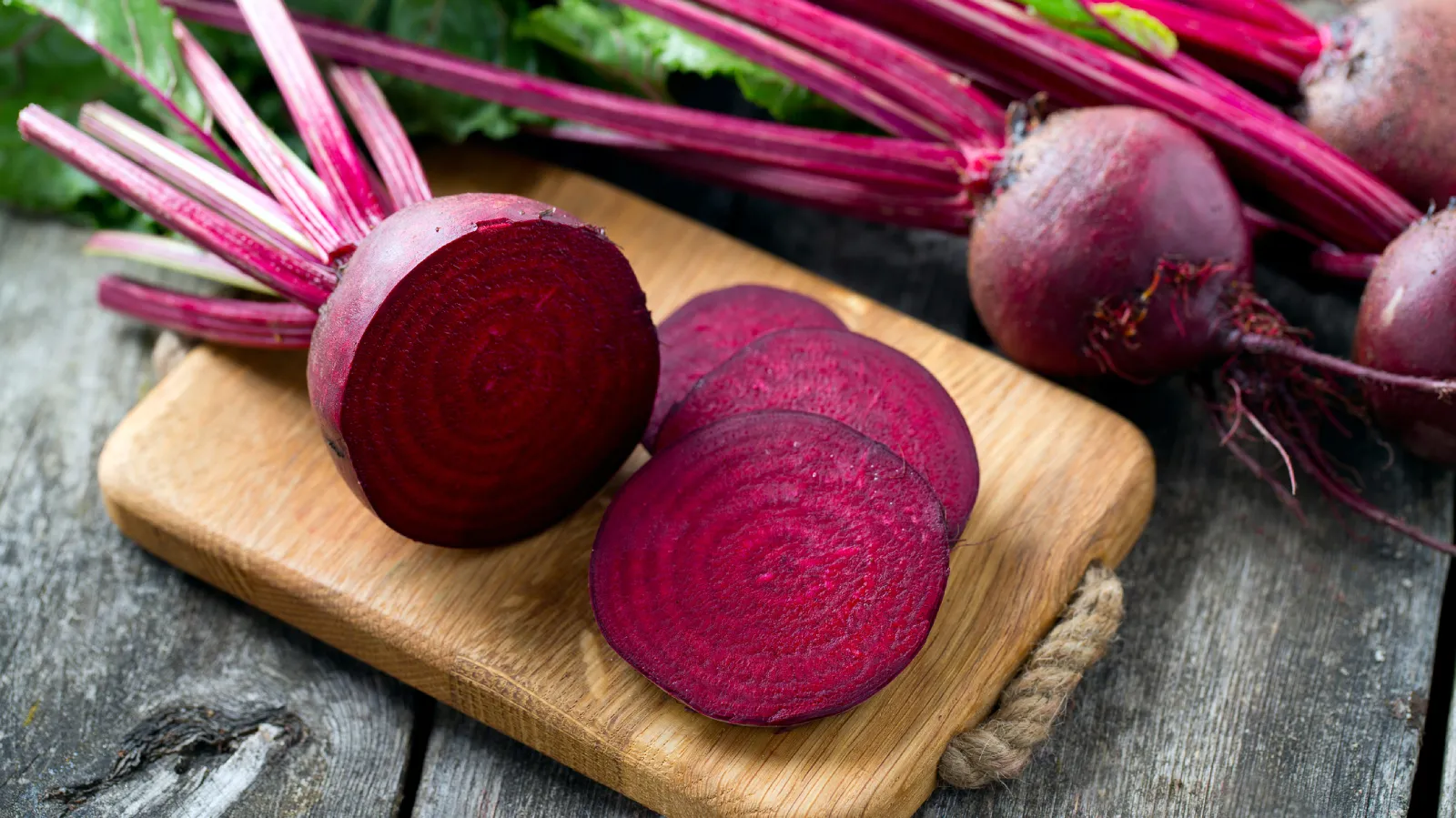
Yes. Betalains — the pigments giving beets their deep red color — have demonstrated strong anti-inflammatory effects. A 2016 study in Nutrients found that betalain-rich supplementation reduced inflammatory markers like CRP. This matters for women dealing with endometriosis, PCOS, or chronic joint pain.
Beetroot Benefits for Female Hormones
This is a gap most sources overlook. Beets support liver detoxification, which plays a direct role in estrogen metabolism. When the liver processes excess estrogen efficiently, symptoms of hormonal imbalance — bloating, mood swings, heavy periods — can improve. Postmenopausal women may also benefit: nitric oxide production supports bone density and reduces hot flash severity, though more targeted research is still needed.
Can Beetroot Help With Weight and Skin?
Beets are low-calorie (about 58 calories per cup) and high in fiber, making them a smart addition for weight managment. The fiber keeps you fuller longer.
For skin, vitamin C in beetroot supports collagen synthesis, while betalains fight oxidative stress linked to premature aging. It’s not a miracle cure, but consistent intake shows results over time.
How Much Beetroot Per Day?
Most studies use 200–500 ml of juice or 200g of cooked beets daily. That’s a reasonable amount. Raw beets retain more nutrients than boiled, but roasting is a good middle ground.
FAQ
Who Should Avoid Beetroot?
Women prone to kidney stones should be cautious — beets are high in oxalates. Also, anyone on blood pressure medication should consult a doctor first, since beets can amplify the effect.
What Happens if I Consume Beetroot Every Day?
Daily intake is generally safe and beneficial. Expect lower blood pressure, better stamina during workouts, and possibly pink urine (harmless, called beeturia). A 2017 review in Food Science & Nutrition confirmed no adverse effects from regular consumption.
Can Beets Boost Your Sexual Health?
The nitric oxide boost improves blood flow throughout the body — including pelvic regions. While direct studies on female sexual health are limited, the mechanism is promising.
Final Thoughts
Beetroot earns its superfood reputation, especially for women navigating pregnancy, hormonal shifts, or cardiovascular concerns. The science is there. Whether you juice it, roast it, or toss it in a salad — adding beets to your weekly routine is a small change with measurable payoff.

Happy
0 %

Sad
0 %

Excited
0 %

Sleepy
0 %

Angry
0 %

Surprise
0 %
 0
0
 0
0