The Future of Travel: Why Private Aviation Is on the Rise
Read Time:4 Minute, 23 Second
The aviation industry is undergoing a remarkable transformation. What was once the exclusive domain of the ultra-wealthy has evolved into a genuinely viable option for business professionals and discerning travelers alike. This shift isn’t just about luxury, it’s about changing priorities around time, safety, and the overall travel experience. The global pandemic didn’t create these trends so much as accelerate them, fundamentally altering how people think about commercial air travel and highlighting what private aviation has offered all along. As technology continues advancing and innovative business models emerge, private aviation is reaching a broader audience of travelers who simply won’t compromise efficiency, flexibility, and personalized service.
The Changing Landscape of Air Travel
Commercial aviation has become exhausting. Passengers now face seemingly endless security lines, frequent delays, and crowded terminals that transform straightforward journeys into draining ordeals. The traditional airport experience demands that travelers arrive hours early, navigate multiple checkpoints, and deal with the constant uncertainties of overbooked flights and mishandled baggage. These frustrations have prompted many to seriously reconsider what their time is actually worth and whether there’s a better way to travel. Private aviation flips this script entirely, passengers can arrive just minutes before departure, bypass those conventional security bottlenecks, and fly according to schedules they control rather than ones dictated by airline timetables. This dramatic contrast in travel experiences has sparked growing interest in private aviation solutions, especially among business travelers who’ve learned to measure every hour of travel time against productivity and missed opportunities.
Enhanced Safety and Privacy Considerations
Health and safety concerns have fundamentally reshaped what travelers expect from air travel in today’s world. Private aviation delivers a genuinely controlled environment where passengers can minimize exposure to crowds and maintain meaningful social distancing throughout their entire journey. Flying with only known companions in a sanitized aircraft cabin provides a level of peace of mind that commercial airlines simply can’t replicate, regardless of how thoroughly they’ve enhanced their cleaning protocols. But privacy extends well beyond health considerations these days.
Time Efficiency and Productivity Benefits
Here’s where private aviation really shines, its unmatched ability to maximize productive time while eliminating the countless inefficiencies built into commercial travel. Business travelers can essentially transform their flight time into mobile offices, conducting confidential meetings, reviewing sensitive documents, or taking important calls without worrying about who might be listening or whether they’ll have reliable connectivity. The ability to access thousands of smaller airports that commercial airlines can’t reach means private flights often land much closer to final destinations, potentially saving hours of ground transportation. Multi, city itineraries that would normally require overnight stays when flying commercially can frequently be completed in a single day with private aircraft, helping executives maintain some semblance of work-life balance despite demanding schedules.
Technological Innovation and Market Expansion
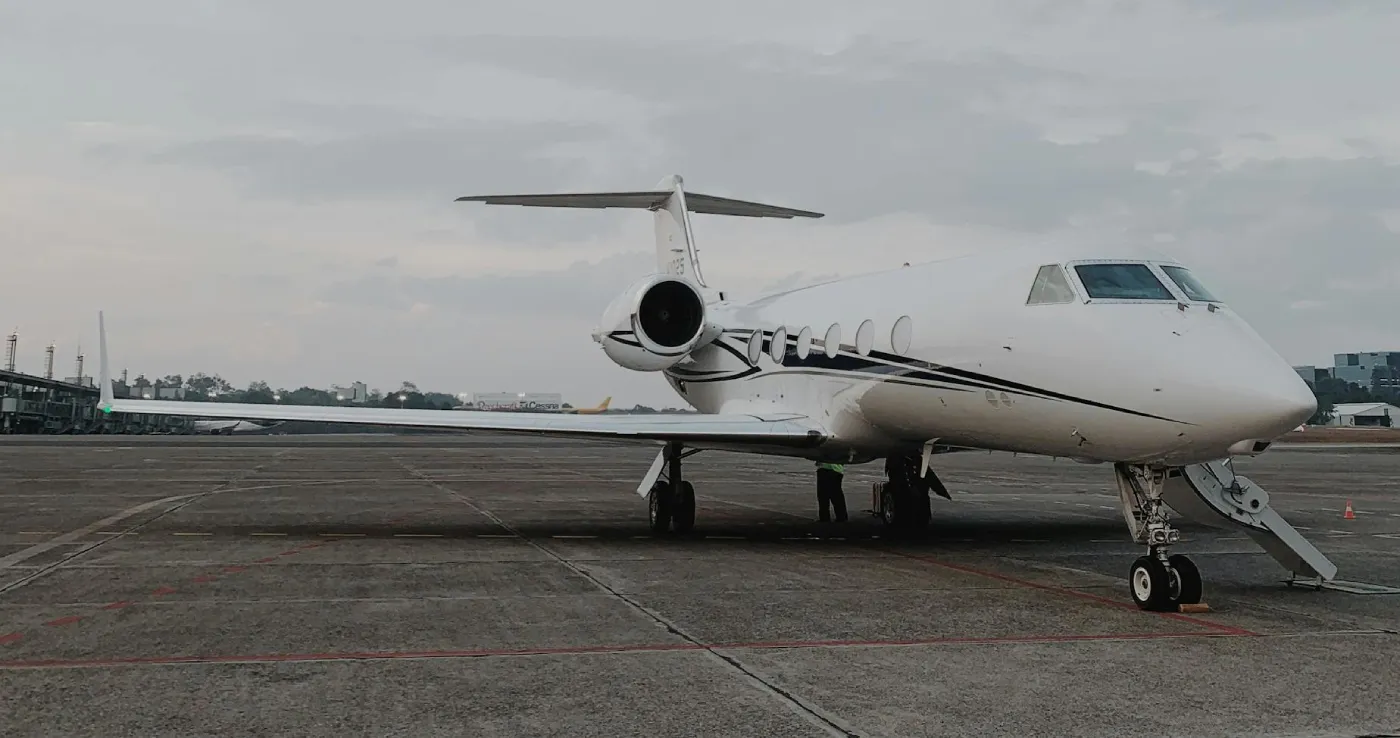
Aviation technology advances and creative business models are genuinely making private air travel more accessible and affordable than anyone might have predicted. Modern aircraft boast improved fuel efficiency, reduced operating costs, and enhanced safety systems that have significantly lowered the barriers to private aviation ownership and operation. Digital platforms and mobile applications have completely revolutionized how travelers’ book private flights, introducing real transparency and competitive pricing to what was historically an opaque, relationship-driven market. When executives need to optimize their travel schedules across multiple destinations, a reliable private plane provides the flexibility and efficiency that commercial airlines cannot match. Fractional ownership programs, jet card memberships, and on-demand charter services now offer flexible options that let travelers access private aviation without the massive capital commitment of aircraft ownership. Empty leg flights and shared charter arrangements further reduce costs by connecting travelers with aircraft already scheduled for repositioning or partial bookings. These innovations have created a genuinely dynamic and competitive marketplace where private aviation services cater to diverse budgets and travel patterns, expanding well beyond traditional luxury markets into practical business transportation.
Environmental Considerations and Sustainable Aviation
The private aviation industry can’t ignore the growing scrutiny around its environmental impact and carbon footprint, and to its credit, it’s not trying to. Significant investments are flowing into sustainable aviation initiatives across the sector. Modern aircraft manufacturers are developing more fuel, efficient engines and lighter composite materials that substantially cut emissions per flight hour compared to older generation aircraft. Sustainable aviation fuel derived from renewable sources offers what many see as a promising pathway toward carbon-neutral flying, with several private aviation operators already incorporating these alternatives into their daily operations.
Conclusion
Private aviation is experiencing growth that would have seemed unlikely just a few years ago, as travelers fundamentally reassess their priorities in a world where time, safety, and flexibility command serious value. The convergence of technological innovation, evolving work patterns, and heightened awareness around travel efficiency has repositioned private aviation as a practical solution rather than merely an aspirational luxury. Environmental challenges remain significant concerns that the industry must continue addressing through sustainable practices and technological advancement, but the fundamental advantages of private air travel keep attracting new users across increasingly diverse market segments. As business models continue evolving and operational costs decline through ongoing innovation, private aviation will likely become an increasingly mainstream component of the broader transportation ecosystem, genuinely transforming how we think about air travel in the decades ahead.

Happy
0 %

Sad
0 %

Excited
0 %

Sleepy
0 %

Angry
0 %

Surprise
0 %
 0
0
 0
0