
Travel Tips for Manual Wheelchair Users
Read Time:5 Minute, 38 Second
Traveling can be an exciting adventure, yet for manual wheelchair users, it often comes with unique challenges that require careful planning. With the right preparation and knowledge, travelling can be an enjoyable experience rather than a stressful one. Whether you are heading on a short domestic trip or exploring faraway countries, these travel tips can help ensure your journey is safe, comfortable and memorable.
Planning Your Trip
The foundation of a successful journey begins with thorough planning. Before booking any travel arrangements, it is essential to research your destination. Consider the accessibility of the location, including hotels, restaurants, public transport and tourist attractions. Many cities now offer online guides and reviews specifically from wheelchair users. These can provide valuable insights into potential difficulties or advantages of a particular destination.
When booking accommodation, confirm that the rooms are suitable for wheelchair use. Check the width of doorways, the presence of ramps, the accessibility of bathrooms and the availability of any mobility aids. If possible, contact the hotel directly to discuss your specific needs rather than relying solely on online information. A simple phone call can prevent many complications upon arrival.
Transportation Considerations
Getting to and around your destination requires careful attention. For air travel, check the airline’s policy on wheelchair assistance. Most airlines provide support from check-in to boarding and even during transfers. It is advisable to inform them in advance about the type of wheelchair you use and any additional assistance you may require. Ensure that your wheelchair is well maintained, and consider carrying spare parts or tools if possible. Cushions, seat belts and anti-tip devices can make your travel safer and more comfortable.
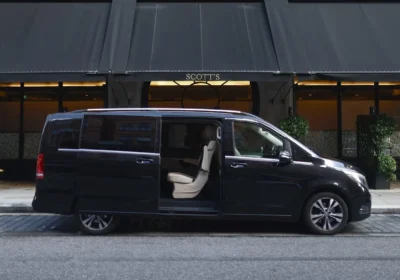
If you are travelling by train or bus, research the accessibility of stations and vehicles. Some services have ramps or lifts, while others may require advance booking for wheelchair spaces. For car travel, consider renting a vehicle that is suitable for your needs. Some hire companies offer cars adapted for wheelchair users, which can greatly increase mobility and convenience.
Packing Essentials
Packing for a trip requires extra consideration for wheelchair users. Organise your luggage so that frequently needed items are easily accessible. Lightweight bags and rolling suitcases can be managed more easily when you are manoeuvring a wheelchair. Consider packing extra batteries or chargers for mobility equipment, as well as any medical supplies. A small repair kit for your wheelchair can be a lifesaver in case of mechanical issues.
Clothing and footwear should be comfortable and suitable for the climate of your destination. Bringing layers is often a practical choice, as it allows you to adapt to changing temperatures. If you require special seating cushions or supports, ensure these are packed and labelled clearly to avoid any confusion during travel.
Managing Airports and Security
Airports can be overwhelming environments for wheelchair users. Arriving early is crucial to allow enough time for security checks, boarding and potential delays. Most airports provide accessible restrooms, seating areas and assistance services, but it is best to confirm their availability ahead of time.
When going through security, inform the staff that you are using a manual wheelchair. Some equipment may need to be inspected separately, but staff are usually trained to assist efficiently and respectfully. Consider wearing comfortable clothing that allows easy movement through scanners and security checks.
Navigating Your Destination
Once you arrive, mobility around your destination will be a key factor in enjoying your trip. Public transport, taxis and rideshare services are often accessible, but it is worth checking their specific provisions. Many cities now provide wheelchair-friendly buses and trains with priority seating. Ramps, lifts and automatic doors can make a significant difference in your experience, so knowing where these are located ahead of time is helpful.
Exploring outdoor attractions requires additional planning. Paths may be uneven, sandy or slippery. Bringing a lightweight portable ramp or using wheelchair gloves for better grip can make exploration easier. When visiting natural attractions, parks or beaches, check if there are accessible paths, boardwalks or matting designed for wheelchair users. Many national parks now provide detailed accessibility guides online.
Health and Comfort
Maintaining health and comfort during travel is particularly important for manual wheelchair users. Frequent movement and repositioning can prevent pressure sores and improve circulation. Take breaks regularly, even during sightseeing, to stretch and adjust your seating position. Hydration is essential, especially in hot climates, so carry water with you.
If you have a medical condition or rely on medications, plan how you will carry and store them. Some medications may require refrigeration, while others should be kept easily accessible. It is advisable to carry a copy of your medical records and emergency contact information. Travel insurance that covers pre-existing conditions and mobility equipment is highly recommended.
Engaging with Locals and Services
Communicating your needs clearly can make a significant difference in your travel experience. Do not hesitate to ask for assistance when required. Many locals and service staff are happy to help if they understand your situation. Learning a few basic phrases if travelling internationally can also make interactions smoother.
In addition, look for travel groups or communities specifically for wheelchair users. These communities often share tips, reviews and recommendations that can make navigating a destination easier. They can also offer moral support and inspiration for new adventures.
Using Technology
Technology has transformed the way we travel. Mobile apps can provide real-time information about accessible routes, transport schedules and locations of ramps or lifts. Navigation apps often allow you to filter for wheelchair-friendly paths and avoid stairs. Social media and travel forums are also excellent sources of up-to-date accessibility information.
Carrying a smartphone with GPS and internet access can reduce stress and increase confidence. It allows you to quickly find assistance, book services or locate amenities as needed. Backup chargers or power banks are practical additions to ensure your devices remain operational throughout the day.
Enjoying the Journey
Ultimately, the key to successful travel as a manual wheelchair user is a combination of planning, preparation and flexibility. Accept that not everything may go perfectly and be ready to adapt. A positive attitude and willingness to problem-solve can turn challenges into memorable experiences.
Travelling offers unique opportunities to explore new cultures, meet people and create lasting memories. By taking the time to plan for accessibility, prioritising comfort and health, and utilising available resources, you can fully enjoy your journey without unnecessary stress.
In conclusion, travel can be a deeply rewarding experience for manual wheelchair users when approached thoughtfully. Researching destinations, planning transport, packing essentials, and using technology are all important strategies. Prioritising health, comfort and communication ensures a smoother journey. With careful preparation, adventurous spirit and an open mind, the world is accessible and waiting to be explored.

Happy
0 %

Sad
0 %

Excited
0 %

Sleepy
0 %

Angry
0 %

Surprise
0 %
 0
0
 0
0