
The Ultimate Guide to Scuba Diving in Tioman Island: Dive Sites, Marine Life, and Trip Planning
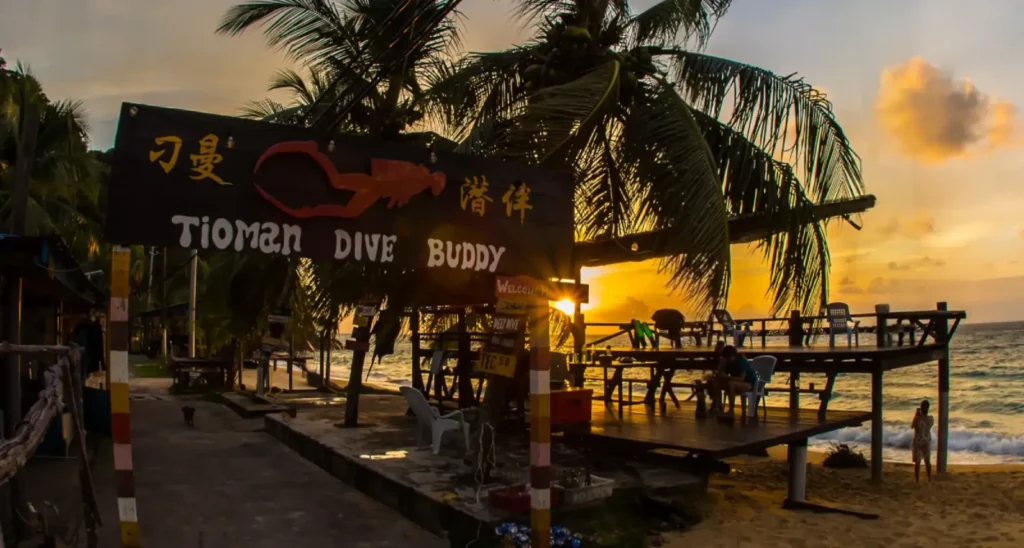
Located off the eastern coast of Peninsular Malaysia in the South China Sea, Pulau Tioman has long captivated travelers with its dense tropical rainforests, granite mountain peaks, and crystal-clear turquoise waters. While its palm-fringed beaches offer a serene escape above the surface, the true magic of this protected marine park lies beneath the waves. For both aspiring beginners and seasoned underwater explorers, scuba diving in Tioman Island delivers an extraordinary blend of vibrant coral gardens, dramatic granite boulder formations, sunken shipwrecks, and thriving marine biodiversity.
Whether you are planning your very first underwater breath, looking to advance your certification into technical or professional ranks, or organizing a multi-day fun dive getaway with your dive buddies, understanding Tioman’s underwater geography, seasonal windows, and village logistics will help you make the most of your island expedition.
Why Pulau Tioman Is a Premier Southeast Asian Dive Destination
Designated as a marine park to safeguard its aquatic ecosystems, the waters surrounding Tioman serve as a natural sanctuary for hundreds of species of hard and soft corals as well as reef fish. Unlike destinations that cater exclusively to either shallow reef novices or advanced current divers, Tioman’s varied underwater topography accommodates every skill level within short boat rides from the shoreline.
Sheltered sandy bays with gentle slopes allow entry-level students to practice buoyancy and mask skills in calm, pool-like clarity. Just a few minutes further offshore, submerged pinnacles, swim-throughs, and deeper wrecks challenge experienced divers with exhilarating drift conditions and rich pelagic action.
Diverse Marine Life Encounters
Because nutrient-rich currents from the South China Sea sweep across Tioman’s offshore outcrops, the reefs support a remarkable food chain:
- Reef Sharks and Rays: Blacktip reef sharks frequently patrol the shallow coral flats, while blue-spotted ribbontail rays and Jenkins’ whiprays rest on sandy patches beneath table corals.
- Sea Turtles: Hawksbill and green sea turtles are year-round residents, often spotted grazing calmly on sponges and algae along the reef slopes.
- Pelagic Schooling Fish: Huge schools of yellowtail barracuda, fusiliers, trevally, and batfish congregate around submerged granite pinnacles and artificial wreck structures.
- Macro Critters and Nudibranchs: Underwater photographers with a keen eye for detail can spend hours searching crevices and soft gorgonian sea fans for colorful nudibranchs, ornate ghost pipefish, porcelain crabs, cleaner shrimp, and camouflaged scorpionfish.
- Seasonal Giants: During key transitional months, lucky divers occasionally encounter gentle whale sharks cruising through the deeper channels around the island.
Iconic Dive Sites Around Tioman Island
With over two dozen established dive sites ringing the main island and its neighboring islets, every boat trip offers a distinct underwater landscape. Here are five signature sites that showcase the diversity of Tioman’s waters:
1. Tiger Reef
Situated between Labas and Sepoi islands, Tiger Reef is widely regarded as one of the crown jewels of Malaysian diving. This submerged pinnacle rises from a sandy seabed at roughly twenty-six meters up to twelve meters below the surface. Because it sits exposed to open currents, the granite boulders are blanketed in vibrant yellow, purple, and orange soft corals, giant barrel sponges, and gorgonian sea fans. Schooling barracuda, jackfish, and hunting trevally circle the reef crest, making it a favorite for divers comfortable with mild-to-moderate drift conditions.
2. Labas Island (Pulau Labas)
Known locally as the “Swiss Cheese” rock formation, Labas features an intricate maze of submerged granite boulders that create natural underwater canyons, arches, and swim-through tunnels. Sunlight filters through the gaps in the rock overhead, creating dramatic light beams that illuminate the colourful sponges and encrusting corals lining the cavern walls. It is an unforgettable playground for divers who have honed their buoyancy and trim, offering plenty of sheltered nooks where turtles, moray eels, and whitetip reef sharks rest.
3. Renggis Island (Pulau Renggis)
Just a short boat ride from the western shoreline, Renggis Island proves that you do not need extreme depths to witness world-class marine life. Ranging from five to fifteen meters, this shallow fringing reef is teeming with staghorn and table corals, resident blacktip reef sharks, cuttlefish, clownfish nestled in vibrant anemones, and friendly hawksbill turtles. Its gentle depth profile and abundant ambient light make Renggis ideal for Open Water students, underwater photographers, and night diving excursions.
4. Soyak Island and the Soyak Wrecks
Pulau Soyak offers the best of both worlds: a sloping coral reef paired with accessible sunken shipwrecks resting between eighteen and twenty-six meters. Over the years, the wooden and steel hulls have transformed into thriving artificial reefs colonized by soft corals, lionfish, schooling snapper, and macro critters. Certified Advanced Open Water divers and wreck enthusiasts frequently visit Soyak to practice wreck navigation and observe how marine life reclaims sunken structures, followed by a shallow safety stop along the vibrant island reef.
5. Chebeh Island (Pulau Chebeh)
Located at the northern tip of Tioman, Chebeh is famous for its massive volcanic granite boulders that extend both above and below the waterline. Underwater, these colossal rocks form deep crevices, towering walls, and wide swim-throughs reaching depths of thirty meters. The site is a magnet for larger pelagic species, including rainbow runners, Spanish mackerel, napoleon wrasse, and dense tornadoes of fusiliers.
Best Time of Year to Plan Your Dive Trip
Tioman Island’s diving calendar is governed by the tropical monsoon cycle of Malaysia’s east coast:
- Peak Season (March to October): From March through October, the seas calm down, surface winds subside, and underwater visibility regularly reaches fifteen to twenty-five meters (and occasionally up to thirty meters on outer reefs). Water temperatures remain a comfortable 28°C to 30°C, allowing most divers to dive comfortably in a 3mm shorty or full wetsuit, or even a rashguard.
- Prime Visibility & Pelagic Months (April to September): Mid-year offers the most consistent sunshine and flattest boat crossings, making it the premier window for multi-day fun dive packages and complete certification courses.
- Monsoon Closure (November to February): During the Northeast Monsoon, heavy swells and winds sweep the South China Sea, giving the reefs a natural four-month rest period before the dive season reopens in early spring.
Choosing Your Island Base and Dive Operator
Because Tioman is largely car-free and divided into several coastal villages connected by sea ferries, selecting the right village and operator shapes your entire holiday. Kampung Genting, located on the southwestern coast of the island, strikes an ideal balance for divers: it is one of the first stops on the ferry route from Tanjung Gemok and Mersing, features a relaxed village atmosphere with welcoming beachfront resorts, and provides direct boat access to both southern and northern dive sites.
When organizing your trip, partnering with an established Tioman Island dive center based in Kampung Genting ensures that your ferries, resort accommodations, meals, equipment rental, and daily boat manifests are coordinated under one roof. Operating as a PADI 5-Star Instructor Development Centre (IDC), Tioman Dive Buddy supports divers across every stage of their underwater journey:
- Entry-Level & Continuing Education: From Discover Scuba Diving and PADI Open Water Diver to Advanced Open Water, Enriched Air Nitrox, and Rescue Diver courses.
- All-Inclusive Fun Dive Packages: Flexible 2D1N, 3D2N, 4D3N, 5D4N, and 6D5N stay-and-dive packages paired with village accommodations ranging from social dormitories at TDB Tioman Resort to beachfront chalets at Idaman Beach Holiday Resort, tropical garden stays at Aguna Resort, and cozy rooms at Impian Inn.
- Specialty, Technical & Pro Pathways: Advanced instruction in Sidemount diving, PADI Freediver, PADI Tec 40/45/50 and Trimix, all the way up to Divemaster and Instructor Development Courses (IDC).
Essential Travel Tips Before You Board the Ferry
To ensure a smooth journey from the mainland to the reef, keep a few practical tips in mind:
- Book Ferry Tickets Aligned With Your Package: Ferries depart daily from Tanjung Gemok Jetty (Pahang) and Mersing Jetty (Johor) based on tidal schedules. Confirm your arrival and departure times in advance so your boat transfer connects seamlessly with your dive check-in at Kampung Genting Jetty.
- Prepare Marine Park Fees & Travel Documents: All visitors entering Tioman’s protected waters pay a small Marine Park conservation fee at the jetty, which goes directly toward reef preservation and mooring maintenance.
- Pack Reef-Safe Essentials: Bring reef-safe sunscreen, a reusable water bottle, polarized sunglasses for boat intervals, and your certification e-card and logbook.
- Respect Surface Intervals Before Flying: Always allow at least eighteen to twenty-four hours of surface interval time after your final dive before boarding a flight or ascending to high altitudes.
With warm tropical waters, dramatic underwater caves, and thriving coral reefs waiting just offshore, Pulau Tioman remains one of Southeast Asia’s most rewarding scuba destinations—ready to welcome you whether it is your first dive or your five-hundredth.
Related articles
 Travel
Lifestyle
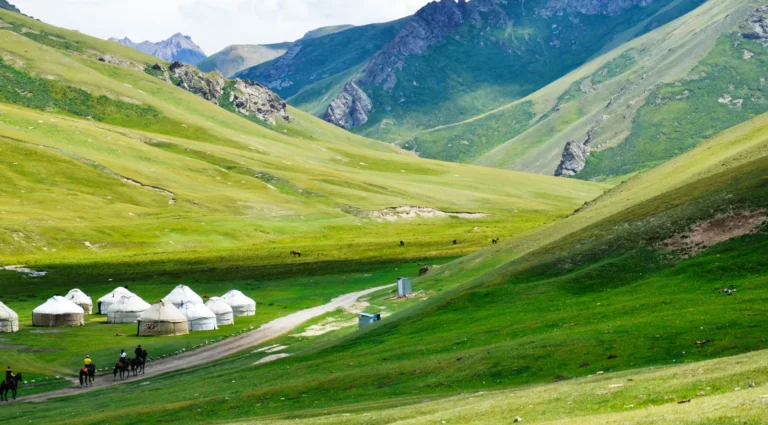
Why Kyrgyzstan Is Becoming a New Fashion Destination in the World
Fashion travelers are always looking for destinations that offer something different from the usual fashion capitals. While Paris, Milan, and London remain…
Read more Travel
A New Network for Limotak: Serandipians by Traveller Made
Not every network a company joins is aimed at the same audience. Limotak's newest membership, in Serandipians by Traveller Made, is aimed…
Read more Travel
A Week in Egypt That Won’t Wreck Your Bank Account
I went to Egypt expecting to be exhausted by it. Everyone warned me. Too much walking, too many touts, too much sun.…
Read more Travel
Lamborghini Huracan EVO Spyder in Miami: The Open-Top Supercar Experience
There's a certain type of drive that only fits Miami: head down, V10 roaring, Ocean Drive rolling out and a sky that's…
Read more Travel
Routes, Times and Tips for Flying From Australia to Kenya
No direct flights from Australia to Kenya, all flights require one stop, typically in the Middle East or southern Africa. Fortunately, the…
Read more Travel
General
How Drink Driving Courses Support Safer Decisions in Victoria
Drink driving is often framed as a single bad decision, but repeat offences show it can also be a planning problem. People…
Read more